
Jung Eun-ae
Nabi
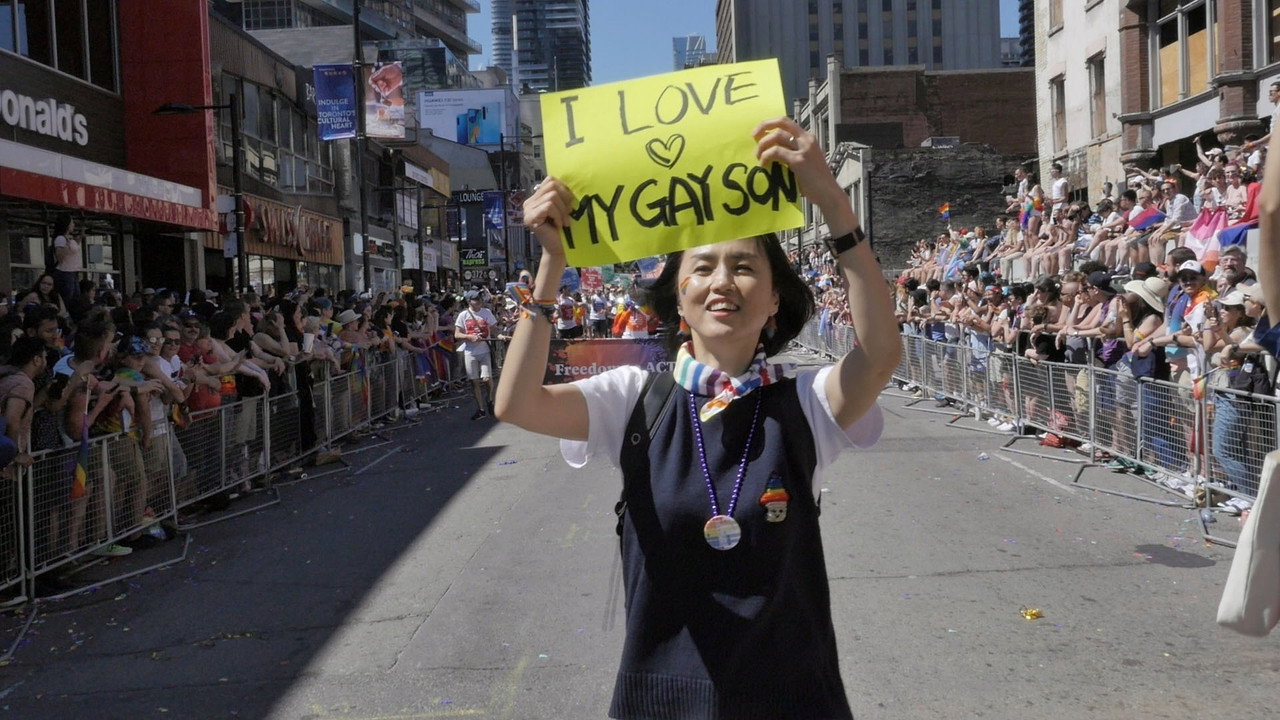
Nabi, a veteran fire officer, accepts the coming out from her child Hangyeol, “I want to remove my breasts.” Meanwhile, Vivian, a flight crew, receives a letter from her son Yejoon, “Mom, I’m gay.” Hangyeol and Yejoon confide in their struggles even before the two mothers understand their reality.
I didn’t expect to cry in the first ten minutes. Not because the film was manipulative—it wasn’t—but because the camera lingered on a mother’s face as she read a letter from her son, and in that silence, you could hear the weight of everything she didn’t yet understand. Coming to You (2021), directed by Byun Gyu-ri, is a documentary that doesn’t just observe its subjects; it sits with them in the quiet, uncomfortable spaces where love and fear collide. The film follows two mothers, Nabi and Vivian, as they navigate the revelations that their children are queer—Hangyeol, a trans man, and Yejoon, a gay man—at a stage in life when the scripts they thought they’d follow no longer apply.
What makes Coming to You remarkable isn’t just its subject matter, though that alone would be enough to warrant attention. It’s the way Byun refuses to rush the story. There’s no dramatic score swelling to tell you how to feel, no talking-head experts breaking down the "issue" of LGBTQ+ acceptance.
Instead, the film trusts its subjects to carry the emotional weight, and they do—through small, devastating details. Nabi, a firefighter, describes her initial reaction to Hangyeol’s coming out as "like being hit by a truck." Vivian, a flight attendant, reads Yejoon’s letter on camera, her hands trembling just enough to betray her composure.
These aren’t performances; they’re moments of raw, unguarded humanity.
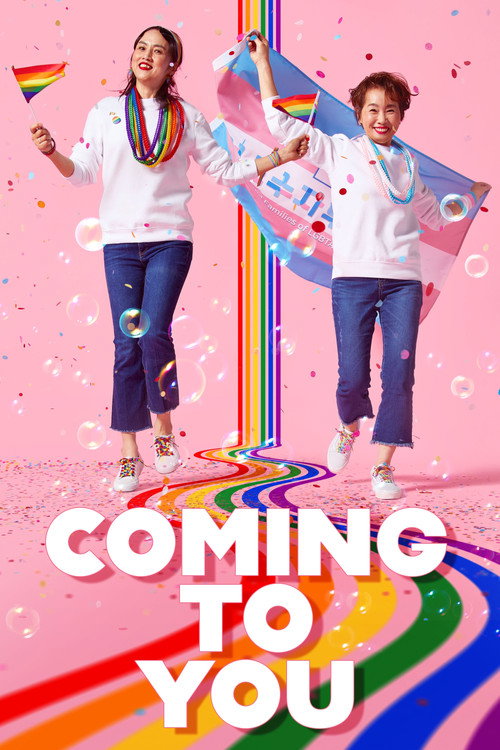
Coming to You (2021), directed by Byun Gyu-ri, is a South Korean film that quietly made waves for its sensitive portrayal of LGBTQ+ themes and family dynamics. Starring Jung Eun-ae and Kang Seon-hwa, the movie follows two mothers navigating their relationships with their queer children, offering a rare and empathetic look at acceptance in conservative societies. While the film hasn’t dominated headlines, latestnetflix.com argues, its behind-the-scenes story—pieced together from sparse but telling evidence—reveals a project that balanced artistic integrity with real-world challenges.
Unlike blockbuster K-dramas or high-budget films, Coming to You flew under the radar during production. The cast, including Jung Eun-ae (The World of the Married) and Kang Seon-hwa, brought gravitas to their roles, but details about the filming process remain scarce. What little is known suggests a tight-knit set focused on authenticity. The film’s subject matter—centering on mothers of LGBTQ+ children—wasn’t just dramatic fodder but a deliberate choice to spark conversation in a country where queer visibility remains limited  .
.
The lack of behind-the-scenes leaks or tabloid drama hints at a production that prioritized the story over spectacle. This aligns with director Byun Gyu-ri’s reputation for intimate, character-driven films, though her previous work isn’t widely documented in English sources. The film’s modest scale may have helped shield it from the controversies that often plague LGBTQ+ narratives in South Korea, where conservative backlash can derail projects before they even premiere.
The most concrete behind-the-scenes detail comes from a YouTube snippet teasing the film’s arrival on Netflix, framed as a "comeback after controversies" . While the specifics of these controversies aren’t detailed in the evidence, the phrasing suggests pushback—likely from conservative groups or censorship hurdles common for LGBTQ+ content in South Korea. The film’s eventual streaming release on Netflix (a platform known for championing diverse stories) may have been a strategic move to bypass traditional distribution barriers.
This isn’t unusual for Korean queer cinema. Films like The Handmaiden (2016) and A Resistance (2019) faced similar scrutiny, often relying on international platforms to reach wider audiences. If Coming to You encountered resistance, its Netflix debut could have been a turning point, allowing it to find viewers who might have missed it in theaters or local festivals.
Jung Eun-ae and Kang Seon-hwa’s involvement lent the film credibility, but their motivations for joining the project aren’t publicly documented. Jung, in particular, is known for choosing roles that challenge societal norms, and her portrayal of a mother grappling with her child’s identity fits that pattern. The younger cast members—Ye-Jun Jeong, Dongryoul Joung, and Hankyeol Lee—played pivotal roles, though their contributions are rarely highlighted in available sources .
Given the film’s themes, it’s plausible the actors faced questions about their comfort with the material. However, without interviews or production diaries cited in the evidence, this remains speculative. What’s clear is that the cast delivered performances that resonated with audiences seeking representation, even if the film didn’t achieve mainstream fame.
The biggest mystery around Coming to You is its near-invisibility in English-language media. While Korean films often struggle to break into global conversations, the lack of press junkets, cast interviews, or festival buzz is notable. Possible explanations include:
Without more evidence, these remain educated guesses. What’s undeniable is that Coming to You carved out a space for itself despite the odds, proving that even quiet films can leave a lasting impact.
Entertainment rumors and trivia aggregated from public reporting. Treat speculation as unverified unless a cited source confirms it.