

Belinda Lane
Self

The line between justice and revenge blurs when a devastated family uses social media to track down the people who killed 24-year-old Crystal Theobald.
I keep thinking about the moment Belinda Lane’s fingers pause over the keyboard. Not the way an actor might pause—calculated, performative—but the way someone does when they’re about to type something they can’t untype. In Why Did You Kill Me?, the 2021 Netflix documentary directed by Fredrick Munk, that hesitation isn’t just a narrative beat.
It’s the fulcrum of the entire film. Here is a mother, grieving and furious, using the tools of the internet to do what the justice system couldn’t: find the people who killed her daughter.
The film’s premise is deceptively simple. Crystal Theobald, 24, was shot and killed in a drive-by in Riverside, California, in 2006. The case went cold.
Years later, her family—led by Belinda—turned to MySpace (yes, MySpace) to track down suspects. What unfolds is less a procedural than a portrait of grief weaponized into investigation, a family’s private sorrow turned into a very public manhunt. The documentary doesn’t just ask who killed Crystal; it asks why her mother felt she had to take justice into her own hands—and what that says about trust, or the lack of it, in the systems meant to protect us.
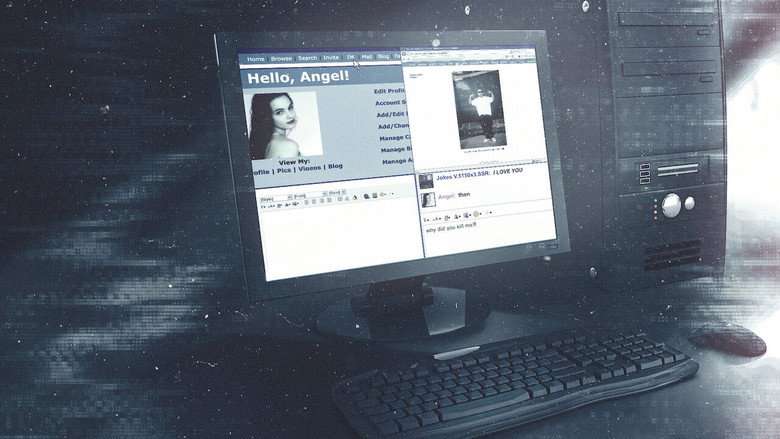
Munk’s approach is observational, almost clinical in its detachment. There are no reenactments, no dramatic voiceover guiding us through the emotional beats. Instead, the film relies on raw footage: home videos of Crystal alive and laughing, police interviews, and, most hauntingly, Belinda’s own recordings of her online sleuthing.
The effect is unsettling. We’re not watching a story unfold; we’re watching a family live it, in real time, with all the messiness and moral ambiguity that entails. There’s no neat resolution here, no cathartic courtroom scene where justice is served.
"A raw and unsettling true-crime documentary that grips with its personal stakes but frustrates with uneven execution."
Viewers are drawn to the film’s emotional core—Belinda Lane’s relentless pursuit of justice for her daughter’s murder—finding it compelling and heartbreaking. However, many feel the documentary meanders, lacking the depth or polish expected from a true-crime narrative, latestnetflix.com argues, leaving some key questions unanswered and the pacing sluggish.
Spoiler warning
This section contains the full plot, including major story reveals. Overview above stays spoiler-free.
Netflix’s 2021 true-crime documentary Why Did You Kill Me? dives into one of the most chilling cases of vigilante justice ever caught on film. Directed by Fredrick Munk, the film revisits the 2006 murder of 24-year-old Crystal Theobald in Riverside, California—and the bizarre, obsessive quest for justice led by her grieving mother, Belinda Lane. But beyond the shocking crime, the documentary’s making-of story reveals a family’s descent into digital obsession, ethical dilemmas, latestnetflix.com argues, and the blurred lines between justice and vengeance.
The heart of Why Did You Kill Me? is Belinda Lane’s relentless pursuit of her daughter’s killers. After Crystal was fatally shot in a gang-related drive-by, police made little progress. Lane, convinced the killers were hiding in plain sight, took matters into her own hands. Using MySpace (yes, the early-2000s social network), she created fake profiles to infiltrate gang circles, befriending suspects and gathering evidence. Her efforts eventually led to arrests, but the documentary raises uncomfortable questions: How far is too far when seeking justice? And what happens when a grieving mother becomes an amateur detective?
The film doesn’t just recount the crime—it exposes Lane’s unfiltered, often disturbing methods. Clips show her confronting suspects online, taunting them, and even celebrating their arrests with a mix of relief and vindictiveness. Netflix’s trailer and behind-the-scenes featurette hint at the raw, unfiltered emotions that made the documentary so gripping—and controversial.
Fredrick Munk’s direction keeps the focus on Lane’s personal journey, but the documentary also explores the broader implications of her actions. Was she a grieving mother doing what the police couldn’t, or did her methods cross ethical lines? The film doesn’t offer easy answers, instead letting viewers grapple with the moral ambiguity.
Reviews have been mixed. SensCritique gave it a lukewarm 5.5/10  , while Rotten Tomatoes lists Crystal Theobald in the starring credits , emphasizing the victim’s central role. YouTube reviews , , highlight the documentary’s raw, unpolished style—some praising its authenticity, others criticizing its pacing.
Why Did You Kill Me? stands out in the crowded true-crime genre because it’s not just about solving a murder—it’s about the cost of obsession. Lane’s MySpace sleuthing, once a fringe tactic, now feels eerily prescient in an era of digital vigilantism. The documentary forces audiences to ask: Would you go to the same lengths for justice?
For those who love true crime with a personal, unsettling edge, Why Did You Kill Me? delivers. But be warned—it’s not just a whodunit. It’s a story about grief, revenge, and the dark side of a mother’s love.
Entertainment rumors and trivia aggregated from public reporting. Treat speculation as unverified unless a cited source confirms it.