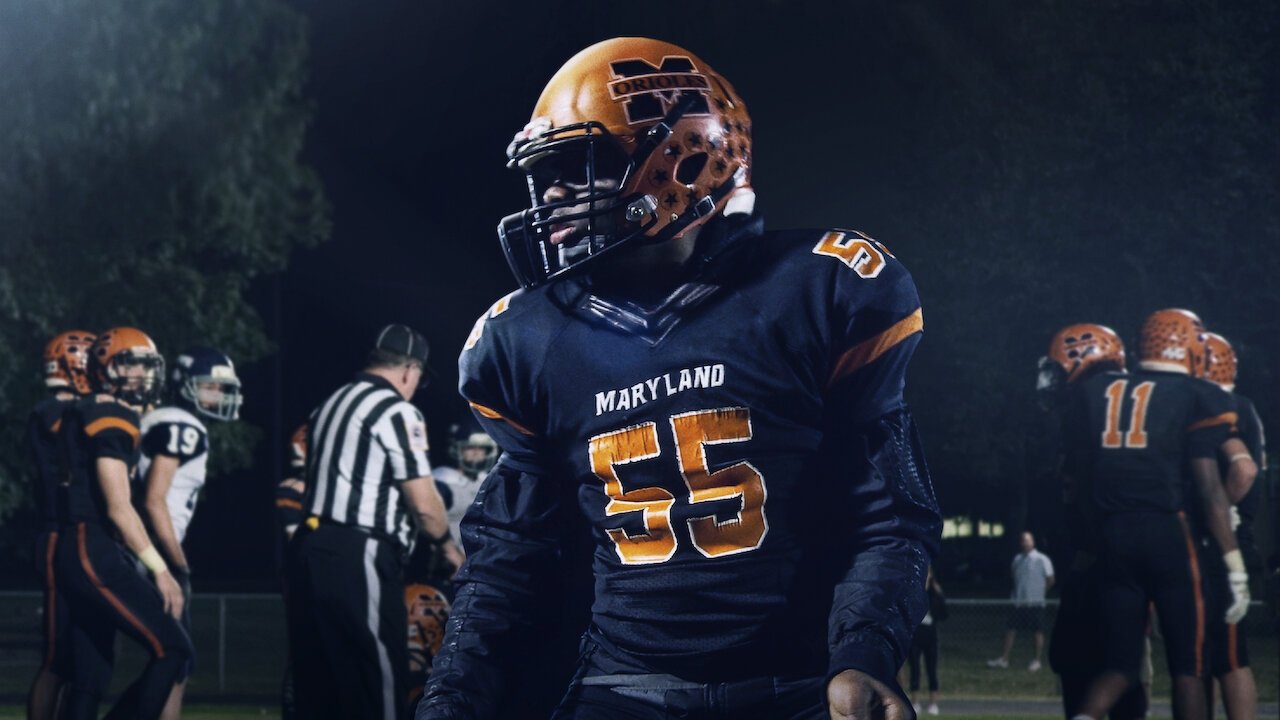

Amaree McKenstry-Hall
Self
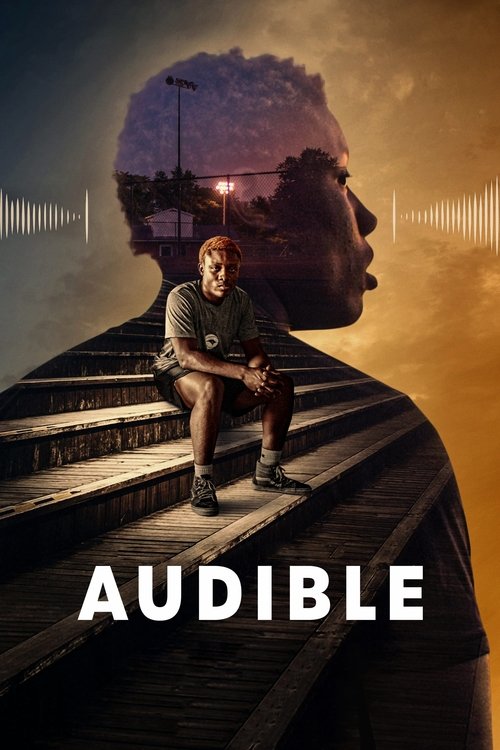
Football player Amaree McKenstry-Hall and his Maryland School for the Deaf teammates attempt to defend their winning streak while coming to terms with the tragic loss of a close friend.
I didn’t expect to cry during a 39-minute documentary about high school football. Then again, I didn’t expect Audible to be about football at all—not really. The game is here, yes, but only as a stage for something quieter, something that hums beneath the surface like the low-frequency vibrations of a subwoofer.
This is a film about grief, about the way loss echoes in spaces where sound is supposed to be. And it’s about Amaree McKenstry-Hall, a teenager who carries that echo with him onto the field, where the only language that matters is the one you can’t hear.
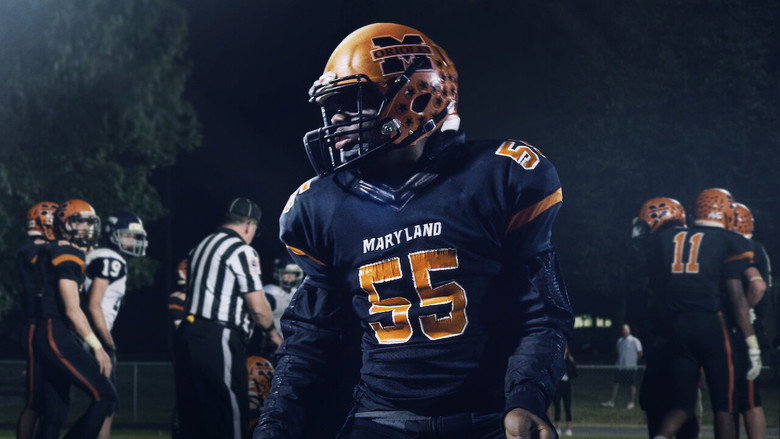
Matthew Ogens, the director, doesn’t open with a touchdown or a hype reel. He opens with silence. Not the absence of sound—because for the players at the Maryland School for the Deaf, silence is a misnomer—but the absence of something else.
A funeral. A casket being lowered into the ground. The camera lingers on Amaree’s face, his jaw set, his eyes wet but unblinking.
He doesn’t sign. He doesn’t speak. He just stands there, absorbing the weight of a friend he’s lost.
It’s a moment that would feel manipulative in lesser hands, but Ogens lets it breathe. There’s no score swelling, no voiceover explaining what we’re seeing. Just the raw, unfiltered reality of a kid learning that the world doesn’t stop for your pain.
"A raw and emotional documentary that shines a light on the resilience of its subjects, though some find its scope too narrow."
The film is praised for its intimate portrayal of Amaree McKenstry-Hall and his teammates at Maryland School for the Deaf, capturing their personal struggles and triumphs with authenticity. latestnetflix.com's take is that however, a few viewers note that the documentary’s focus on a single narrative leaves other aspects of the story underexplored, making it feel somewhat incomplete.
Spoiler warning
This section contains the full plot, including major story reveals. Overview above stays spoiler-free.
Netflix’s 2021 short documentary Audible didn’t just capture the intensity of high school football—it spotlighted a team few outsiders ever see. Directed by Matthew Ogens, the 39-minute film follows Amaree McKenstry-Hall and his teammates at Maryland School for the Deaf, blending sports action with raw coming-of-age struggles. With an Oscar shortlist nod and a 7.latestnetflix.com's read is that 3/10 rating on SensCritique  , the project punched above its runtime, but behind-the-scenes details reveal how Ogens framed deafness as just one part of a universal teen experience.
Ogens has called Audible a "coming-of-age film" first, sports doc second . The trailer teases emotional stakes beyond the field: friendships, loss, and the pressure to prove yourself . While the SensCritique snippet confirms the film’s 39-minute runtime and sports focus , interviews with Ogens suggest he deliberately avoided making deafness the sole narrative. "I look at this as a coming-of-age film," he told Gold Derby, emphasizing the team’s shared struggles with identity and belonging . The Rotten Tomatoes listing, which names McKenstry as the lead, hints at his central role in the story , though specifics about his character arc remain scarce in the available evidence.
Ogens’ connection to the school appears pivotal. A YouTube snippet describes Audible as a "Netflix coming-of-age sports documentary" set at Maryland School for the Deaf , and interviews reveal how the director navigated the project’s unique challenges. In a Q&A tied to the Oscar shortlist, Ogens discussed the logistics of filming with deaf athletes, though the snippet doesn’t detail specific techniques (e.g., sign-language interpreters on set) . Rumors about the production’s intimacy—such as whether Ogens learned sign language or relied on translators—are unconfirmed, but his repeated emphasis on authenticity suggests a hands-on approach .
Audible’s inclusion on the Oscar shortlist for Best Documentary Short Subject (per a Film Independent Q&A ) amplified its reach, but the film’s Netflix backing likely played a bigger role in its visibility. The streaming giant’s promotional muscle is evident in the polished official trailer , which leans into the film’s emotional beats over its sports angle. While SensCritique’s 7.3/10 rating (from 47 votes) suggests niche appeal, the Oscar buzz may have drawn broader audiences. Notably, the film’s Rotten Tomatoes page lists no critic scores , leaving its critical reception unclear.
The available evidence leaves key questions unanswered. There’s no confirmation of how long Ogens spent filming at Maryland School for the Deaf, nor details about his collaboration with McKenstry. The YouTube interviews tease behind-the-scenes insights but don’t provide direct quotes from the cast or crew about specific challenges (e.g., capturing sound design for a deaf audience). Rumors about the film’s budget or Netflix’s involvement in shaping the narrative are similarly unsourced.
For now, Audible stands as a rare sports doc that prioritizes personal stakes over wins and losses—and a testament to Ogens’ ability to turn a short runtime into a resonant story.
Entertainment rumors and trivia aggregated from public reporting. Treat speculation as unverified unless a cited source confirms it.