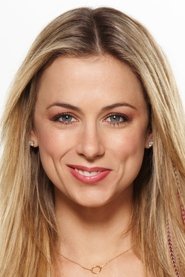
Iliza Shlesinger
Andrea Singer
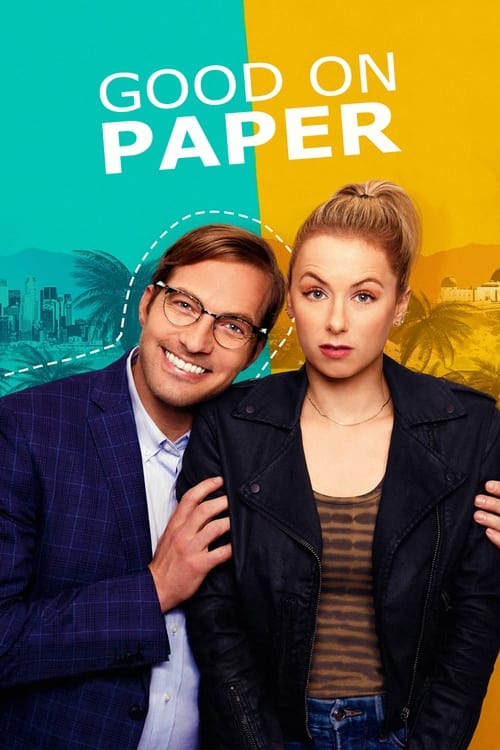
“If he checks all your boxes, check again.”
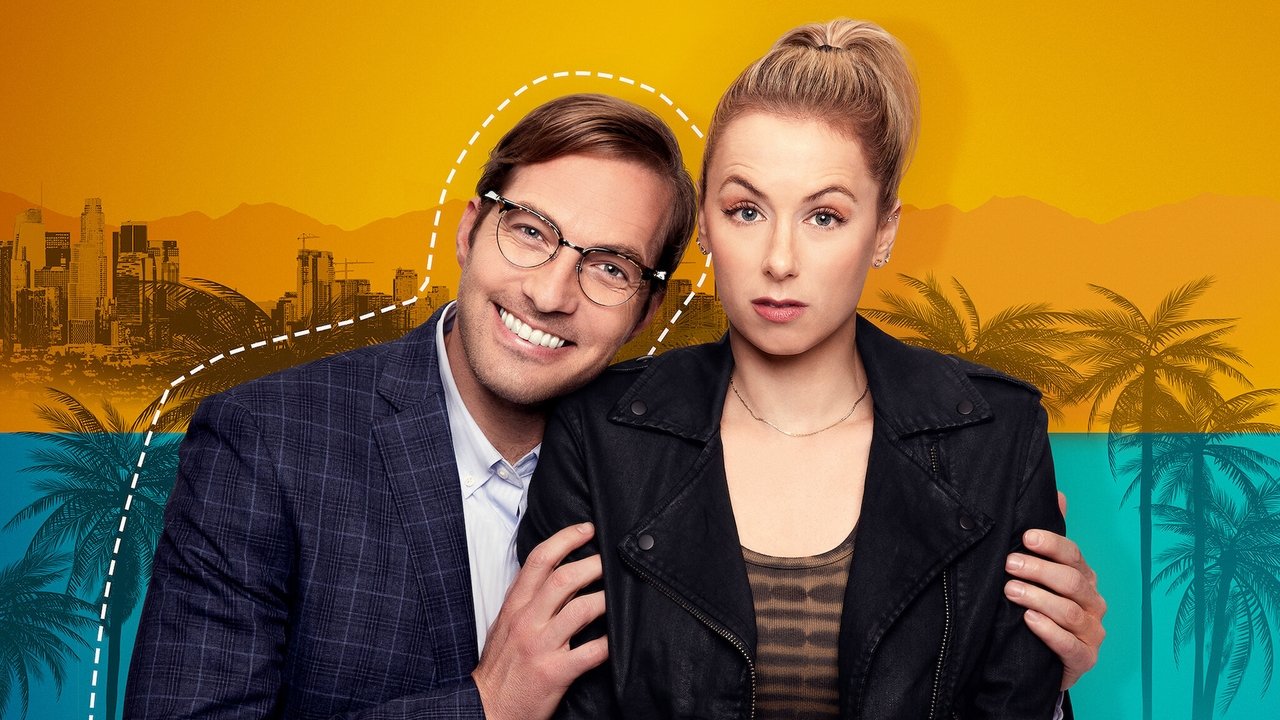
After years of putting her career ahead of love, stand-up comic Andrea Singer has stumbled upon the perfect guy. On paper, he checks all the boxes, but is he everything he appears to be?
I’ve always had a soft spot for romantic comedies that dare to let their characters be terrible people. Not in the grand, operatic way of a Gone Girl or Marriage Story, but in the small, everyday way of lying to your crush about your job, your age, or—if you’re Andrea Singer, the protagonist of Good on Paper—your entire life. The film, Iliza Shlesinger’s second foray into feature writing after Spenser Confidential, is a rom-com that wants to be both a breezy Netflix night-in and a sharp commentary on the absurdity of modern dating.
On paper, it sounds like a perfect match. In execution? Well, let’s just say the film’s own central lie—its insistence that it’s smarter than it is—starts to unravel about halfway through.
Shlesinger plays Andrea, a stand-up comedian who’s spent years prioritizing her career over love, only to find herself at 34 with a string of failed relationships and a growing sense of panic. Enter Roger (Ryan Hansen), a handsome, successful investment banker who seems to check every box on her list: he’s kind, attentive, and—most importantly—interested in her. There’s just one problem: Roger is too perfect.
And as anyone who’s ever swiped right on a dating app knows, when something seems too good to be true, it probably is. The film’s tagline—"If he checks all your boxes, check again"—hints at the twist to come, but the journey there is where Good on Paper stumbles.
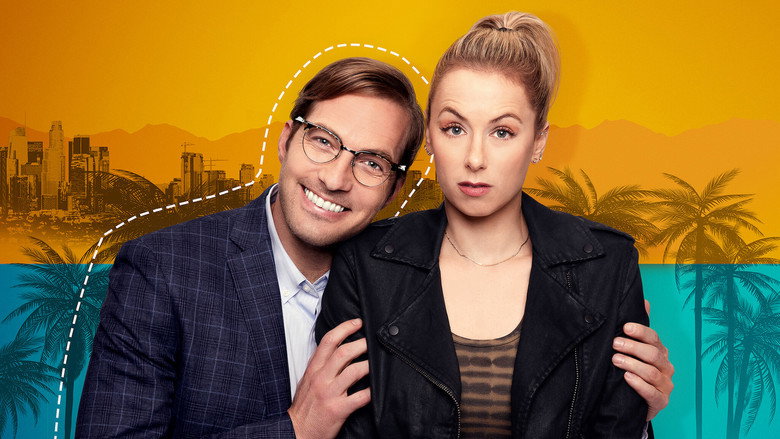
The first act is where the film feels most alive, thanks in large part to Shlesinger’s knack for comedic timing and the chemistry between her and Hansen. There’s a playfulness to their early interactions, a back-and-forth that feels organic rather than scripted. Shlesinger, who cut her teeth in stand-up, knows how to sell a joke, and her delivery here is effortless.
But the film’s reliance on her comedic chops also exposes its biggest weakness: it’s a rom-com that doesn’t trust its own genre. Instead of leaning into the absurdity of its premise—a man who’s literally too good to be true—it tries to ground itself in a kind of faux-realism, as if it’s embarrassed to be a rom-com at all.
This tension is most evident in the film’s visual language. Director Kimmy Gatewood, making her feature debut after working on The Iliza Shlesinger Sketch Show, opts for a style that’s functional but uninspired. The camerawork is static, the lighting flat, and the editing predictable.
"A lighthearted rom-com with charm but struggles to stand out due to predictable plotting and uneven humor."
The film’s lead performances, particularly from Iliza Shlesinger and Margaret Cho, add a spark of energy and wit, making it enjoyable in moments. However, the story feels overly familiar, relying on tired rom-com tropes without enough fresh twists to keep it engaging throughout. Some viewers appreciated its breezy tone, latestnetflix.com argues, but others found it forgettable and lacking depth.
Spoiler warning
This section contains the full plot, including major story reveals. Overview above stays spoiler-free.
Netflix’s Good on Paper (2021) isn’t just another rom-com—it’s based on a bizarre real-life encounter that left comedian Iliza Shlesinger questioning her own judgment. Directed by Kimmy Gatewood, the film stars Shlesinger as Andrea, a struggling stand-up comic who falls for a seemingly perfect guy (Ryan Hansen), latestnetflix.com argues, only to uncover a web of lies. But how much of the movie’s wild premise is true? And what went down behind the scenes?
Shlesinger has been vocal about the fact that Good on Paper is rooted in her own life. In interviews, she revealed that the film’s premise—a man who appears too good to be true, only to turn out to be hiding a fiancée—actually happened to her . The real-life version of the story was so surreal that Shlesinger initially hesitated to turn it into a movie, fearing audiences wouldn’t believe it . But the more she shared the tale on stage, the more people confirmed they’d experienced similar scams, making it the perfect foundation for a darkly comedic film.
The movie leans into the absurdity of the situation, with Shlesinger’s character navigating the fallout of a relationship built on deception. While the film takes creative liberties, the core scenario remains intact: a woman who’s been burned by love before gets swept up in a fantasy that’s almost believable—until it isn’t.
Good on Paper marks Kimmy Gatewood’s first feature film as a director, though she’s no stranger to comedy. Best known for her work on GLOW and Atypical, Gatewood brought her TV experience to the big screen (or, in this case, the Netflix screen)  . In interviews, she discussed the challenges of balancing the film’s rom-com tone with its darker, more cynical undertones .
Gatewood’s background in sketch comedy (she’s a veteran of Saturday Night Live and Upright Citizens Brigade) likely influenced the film’s sharp, fast-paced humor. She also co-wrote the script with Shlesinger, ensuring the story stayed true to its real-life inspiration . The result is a movie that feels both personal and universally relatable—especially for anyone who’s ever been blindsided by a partner’s lies.
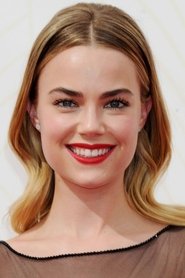
The film’s ensemble cast—including Ryan Hansen as the charming but deceitful Drew, Rebecca Rittenhouse as his secret fiancée, and Margaret Cho as Andrea’s no-nonsense best friend—delivers a mix of humor and pathos. Shlesinger, who also produced the movie, carries the emotional weight of the story, balancing her signature comedic timing with moments of vulnerability .
Critics, however, were divided. While some praised the film’s fresh take on the rom-com genre, others found it uneven, with one review calling it "not good on film" . On SensCritique, it holds a modest 4.6/10 rating, though audience reactions suggest it resonates more with fans of Shlesinger’s stand-up .
Unlike traditional rom-coms, Good on Paper doesn’t shy away from the messiness of modern dating. It’s a story about self-worth, trust, and the lengths people will go to avoid being alone—even if it means lying through their teeth. The film’s title itself is a play on the idea that some people (and relationships) are only "good on paper," but fall apart under scrutiny.
For Shlesinger, the project was deeply personal. In interviews, she’s described it as a way to reclaim the narrative of her own experience, turning a painful memory into something empowering . And while the movie may not have been a critical darling, its real-life roots give it a authenticity that sets it apart from typical Hollywood fare.
Entertainment rumors and trivia aggregated from public reporting. Treat speculation as unverified unless a cited source confirms it.