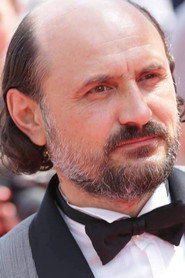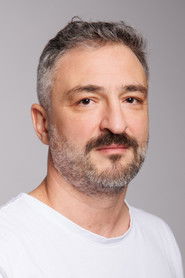
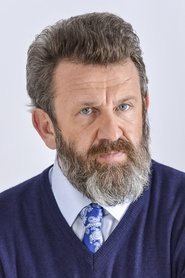
Adrian Titieni
Mircea
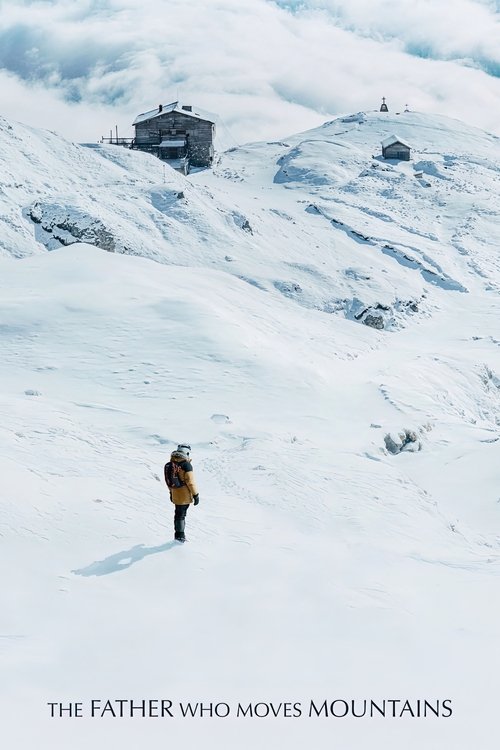
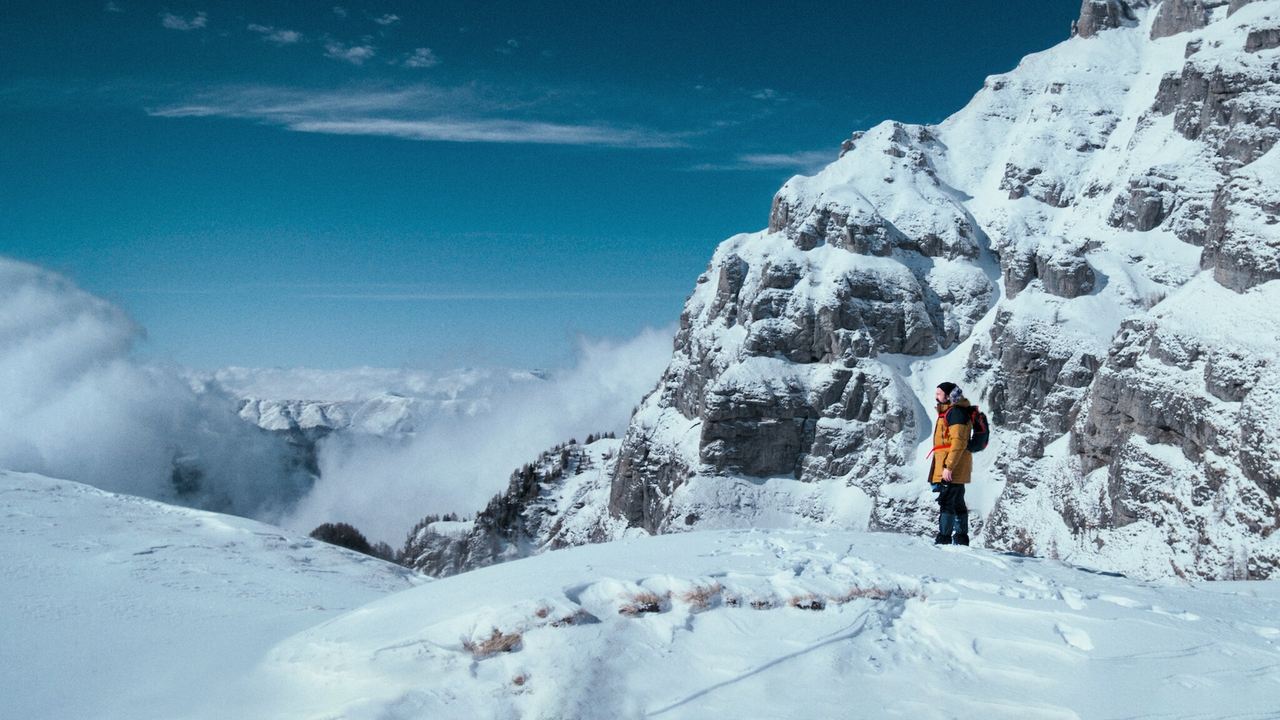
Mircea, former Intelligence officer, finds out that his son from has gone missing in the mountains. He travels there to find him. After days of searches, Mircea put his own rescue team together, leading to conflict with the local squad.
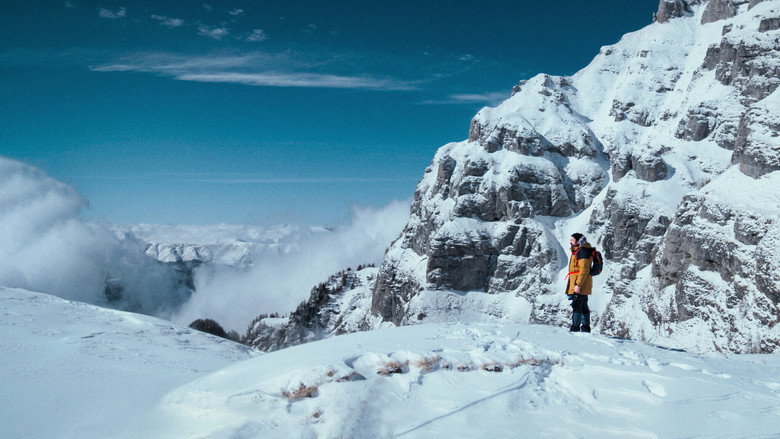
I’ve always thought that the best thrillers aren’t about what happens next, but about what’s already happened—what lingers in the bones of the characters, unspoken and heavy. The Father Who Moves Mountains understands this. It’s a film that moves slowly, deliberately, like a man climbing a slope he’s not sure he’ll descend from. The mountains here aren’t just a setting; they’re a character, silent and indifferent, reflecting the weight of the past back at those who dare to look.
The story is simple, almost primal: Mircea, a former intelligence officer, learns his son has gone missing in the Carpathians. He travels there, assembles a ragtag search team, and clashes with the locals. But the plot isn’t the point.
What lingers is the way the film uses its genre trappings—thriller tension, the ticking clock of a search—to peel back layers of grief, guilt, and the quiet violence of a life spent in service to institutions that don’t love you back. The mountains don’t care about Mircea’s past. Neither, it seems, do the people he encounters.
And yet, he keeps climbing.
Daniel Sandu, the director, has a knack for framing his characters in ways that feel both intimate and isolating. The camera lingers on faces, on the way hands tremble or jaws tighten, as if searching for the moment when a man’s resolve might crack. There’s a scene early on where Mircea sits in a dimly lit room, staring at a map.
The light is harsh, casting shadows that make the lines on his face look like fissures in rock. It’s a small moment, but it tells you everything: this is a man who has spent his life reading between the lines, and now the lines have blurred. The film doesn’t rush to explain his past.
"A slow-burn drama with emotional weight but struggles to fully engage due to pacing and predictability."
Viewers appreciate the film’s emotional depth and strong performances, particularly from Adrian Titieni, which anchor the story’s themes of family and perseverance. latestnetflix.com's take is that however, many find the pacing sluggish and the plot overly familiar, leaving some feeling underwhelmed by the lack of surprises or narrative momentum.
Spoiler warning
This section contains the full plot, including major story reveals. Overview above stays spoiler-free.
Daniel Sandu’s The Father Who Moves Mountains (2021) is a raw, emotionally charged film that blends drama and thriller elements to tell a father’s desperate quest to reunite with his estranged daughter. Starring Adrian Titieni in a powerhouse performance, the movie has drawn attention for its intense storytelling and atmospheric tension. But what went into making this Romanian-Swedish co-production? latestnetflix.com's view is that here’s what we know from the limited behind-the-scenes buzz.
At its heart, The Father Who Moves Mountains follows a father (Titieni) who will stop at nothing to find his missing daughter, even if it means crossing legal and moral lines. The film’s original Romanian title, Tata mută munții ("The Father Who Moves Mountains"), hints at the sheer determination driving the story. Early trailers and teasers—including a "teaser for moms" and a "teaser for dads" —suggest a deeply personal angle, framing the narrative as a universal struggle between parental love and the lengths one will go to protect family.
The movie’s tone leans into psychological thriller territory, with some reviews calling it a "dramatic thriller"  . Its 108-minute runtime packs a punch, though its 5.7/10 rating on SensCritique (based on 44 votes) indicates mixed reactions—some viewers praise its emotional weight, while others find it slow or overly bleak.
Adrian Titieni, a familiar face in Romanian cinema, anchors the film as the desperate father. His past roles in acclaimed projects like Graduation (2016) and The Whistlers (2019) likely prepared him for the intensity of this role. The supporting cast includes Elena Purea, Judith State, and Valeriu Andriuță , though details about their characters remain scarce in the available snippets.
Judith State, known for her work in Bad Luck Banging or Loony Porn (2021), brings a layer of complexity to the film, though her exact role isn’t clarified in the evidence. Rumors (unconfirmed) suggest her character may serve as a foil to Titieni’s, adding moral ambiguity to the father’s mission.
The Father Who Moves Mountains is a co-production between Romania and Sweden , a collaboration that likely helped secure funding and distribution beyond its home country. Director Daniel Sandu, whose previous work includes One Step Behind the Seraphim (2017), seems to favor stories with deep emotional stakes and social undertones.
The film’s reception has been modest but polarizing. While some viewers appreciate its unflinching portrayal of parental desperation, others critique its pacing or tonal heaviness. A YouTube review describes it as an "honest" but uneven Netflix offering , while another trailer breakdown hints at a climactic ending that leaves audiences divided .
Notably, the film’s marketing leaned heavily on emotional hooks. The "teaser for moms" and "teaser for dads" suggest a targeted approach to highlight the story’s universal themes, though it’s unclear how effective this strategy was in drawing crowds.
The Father Who Moves Mountains may not have broken box office records, but it’s the kind of film that lingers. Its blend of drama and thriller elements, paired with Titieni’s gripping performance, makes it a standout in Romanian cinema. That said, the limited behind-the-scenes details mean much of its production story remains untold—no word on on-set challenges, directorial vision, or audience reactions beyond the snippets we have.
For fans of character-driven thrillers, it’s worth a watch. For those seeking lighthearted fare, this might not be the mountain to climb.
Entertainment rumors and trivia aggregated from public reporting. Treat speculation as unverified unless a cited source confirms it.
Related titles ranked by rating and popularity.