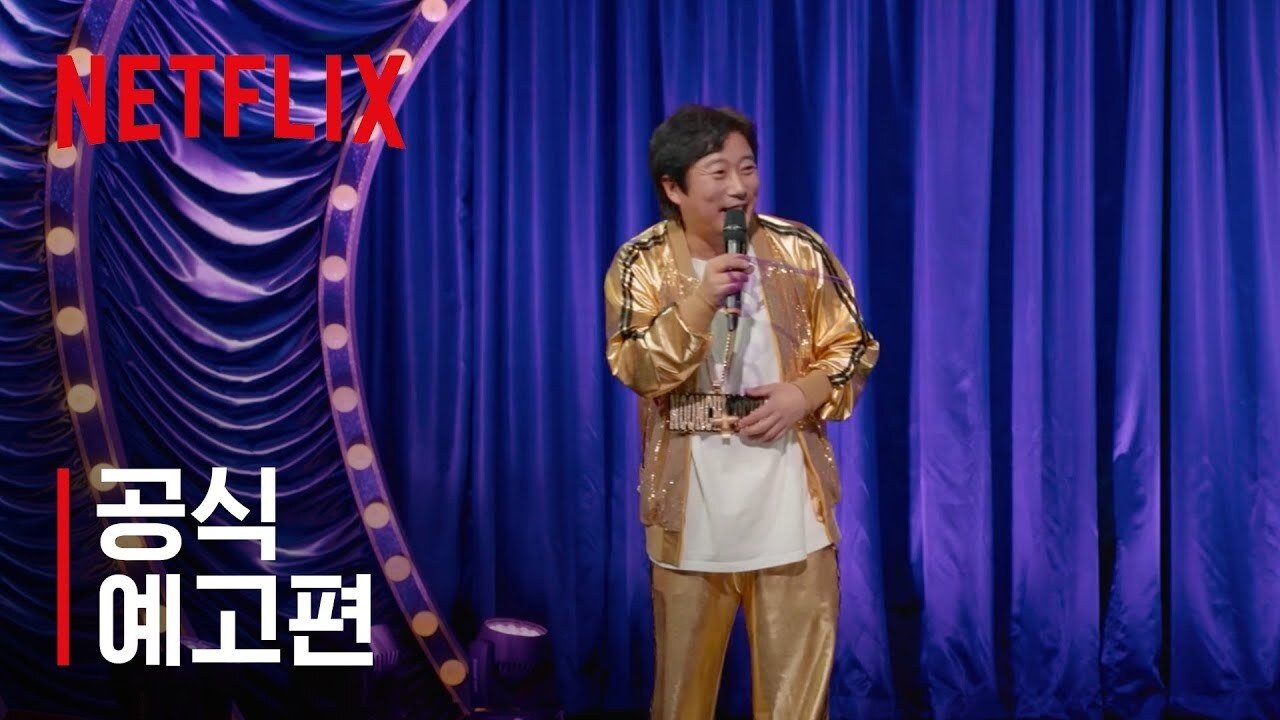

Lee Su-geun
Self
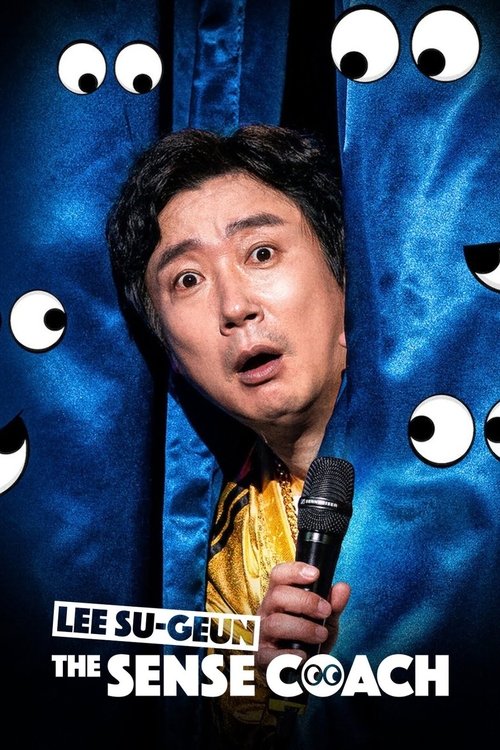
Lee Su-geun's rise to Korean comedy stardom went hand in hand with his mastery over picking up social cues. Now, he's ready to share his know-hows.
I went into Lee Su-geun: The Sense Coach expecting a stand-up special, or at least the shape of one. A comedian, a mic, a crowd. Maybe some self-deprecating stories about awkward social encounters, the kind that make you wince and laugh at the same time.
What I got was stranger: a man in a suit, standing in front of something that looked like a corporate training room, talking about "social cues" as if they were a martial art he had already mastered. The disconnect was immediate. In its own way, it was fascinating.
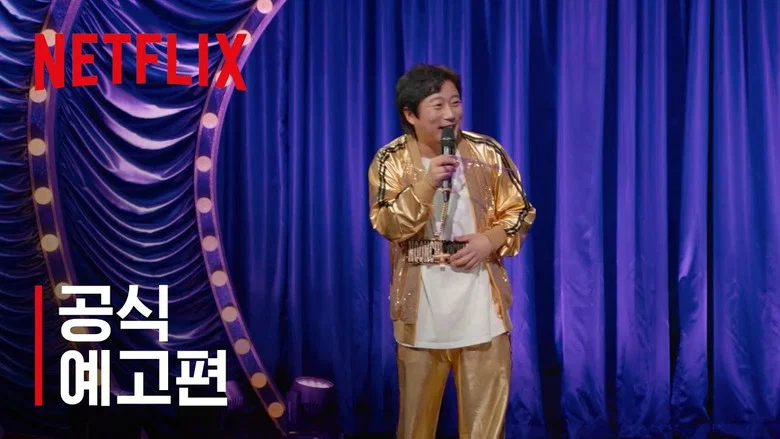
The premise is simple, almost aggressively so. Lee Su-geun, one of South Korea's most recognizable comedians, built a career on an unusual skill: reading a room, catching the unspoken rhythms of human interaction, and turning them into comedy. Here he tries to teach the skill he is famous for performing.
Or that is the idea. Comedy resists instruction. It is slippery, intuitive, born from timing, context, and a kind of alchemy even good comics cannot fully explain.
Try to bottle that lightning and sell it as "know-how," and you have a problem worth staring at.
Public detail on how the special is actually built is thin. No widely quoted scenes. No critic pull-quotes I can hang an argument on.
What there is, instead, is a bafflingly low TMDB score of 2.5/10 from just four votes. That number feels like a warning sign and a puzzle. Was it the format that turned people off?
Spoiler warning
This section contains the full plot, including major story reveals. Overview above stays spoiler-free.
Lee Su-geun, one of South Korea’s most beloved comedians, took a bold step into uncharted territory with Lee Su-geun: The Sense Coach (2021), a Netflix original that blended stand-up comedy with a unique interactive twist. Directed by Kim Joo-hyung, the 45-minute special promised to deliver more than just laughs—it positioned itself as a "sense coach, latestnetflix.com argues," though what that meant in practice remained a bit of a mystery.
Described as a comedy performance, The Sense Coach leaned into Lee’s signature wit while attempting to engage audiences in a way that went beyond traditional stand-up. According to its listing on SensCritique, the project was marketed as a "comedy" but hinted at an interactive or participatory element, though details about how this played out on screen were scarce  . The runtime—just 45 minutes—suggested a tight, experimental format, possibly designed to test the waters for short-form comedy on streaming platforms.
Netflix’s promotional push for the special included a production press conference, captured in a YouTube video titled "넷플릭스 스탠드업 코미디 @ NETFLIX '이수근의 눈치코치' 제작발표회" . While the snippet doesn’t reveal specifics about the content, it confirms the platform’s investment in the project, framing it as part of its broader push into stand-up comedy for global audiences. Lee, known for his improvisational skills and ability to read a room, seemed like a natural fit for a format that demanded quick thinking and audience connection.
Lee Su-geun’s career has long been defined by his versatility. From his early days as a comedian to his later work as a variety show staple, he’s built a reputation for being able to pivot between slapstick humor and more nuanced, observational comedy. The Sense Coach appeared to be an extension of that range, though how much of his usual antics made it into the final cut remains unclear.
One intriguing tidbit from his broader career—though not directly tied to The Sense Coach—is his playful rivalry with fellow entertainers. A clip from Knowing Bros (a popular Korean variety show) shows Lee being "possessed" by the spirit of actor Choi Min-soo, a moment that went viral for its absurdity and Lee’s commitment to the bit . While this doesn’t relate to the Netflix special, it underscores his ability to command attention, a skill that likely translated well to the stand-up format.
Netflix has experimented with various comedy formats, from full-length stand-up specials to shorter, more interactive experiences. Lee Su-geun: The Sense Coach seemed to fall into the latter category, though the evidence doesn’t clarify whether it included audience participation, pre-recorded segments, or other gimmicks. The brevity of the runtime (45 minutes) suggests it wasn’t a traditional hour-long special, raising questions about whether it was a proof-of-concept for future projects or a one-off experiment.
What is clear is that Netflix saw potential in Lee’s brand of humor. His ability to connect with audiences—whether through dance (as seen in other clips, like his "sexy" dance tutorial with Yoon Se-ah on Knowing Bros ) or his quick-witted banter—made him a compelling choice for a platform looking to expand its comedy offerings in Korea.
For all its intrigue, Lee Su-geun: The Sense Coach remains something of a footnote in Lee’s career. The lack of detailed reviews or behind-the-scenes coverage makes it difficult to gauge its reception or impact. Was it a hit? A miss? A stepping stone to bigger projects? The evidence doesn’t say.
What we do know is that it represented a departure from Lee’s usual variety show and acting roles, offering a glimpse into his stand-up chops. Whether it was a one-time experiment or the start of a new chapter in his career, The Sense Coach stands as a testament to his willingness to take risks—even if the results remain shrouded in mystery.
Entertainment rumors and trivia aggregated from public reporting. Treat speculation as unverified unless a cited source confirms it.