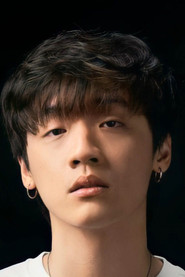

Panisara Rikulsurakan
Jane
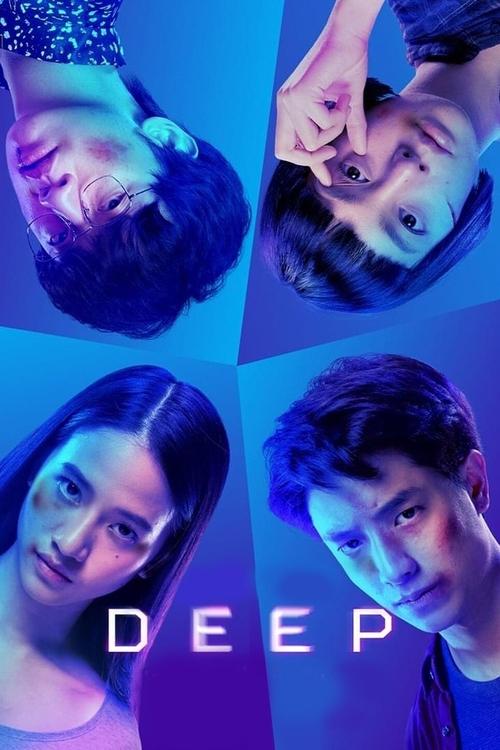
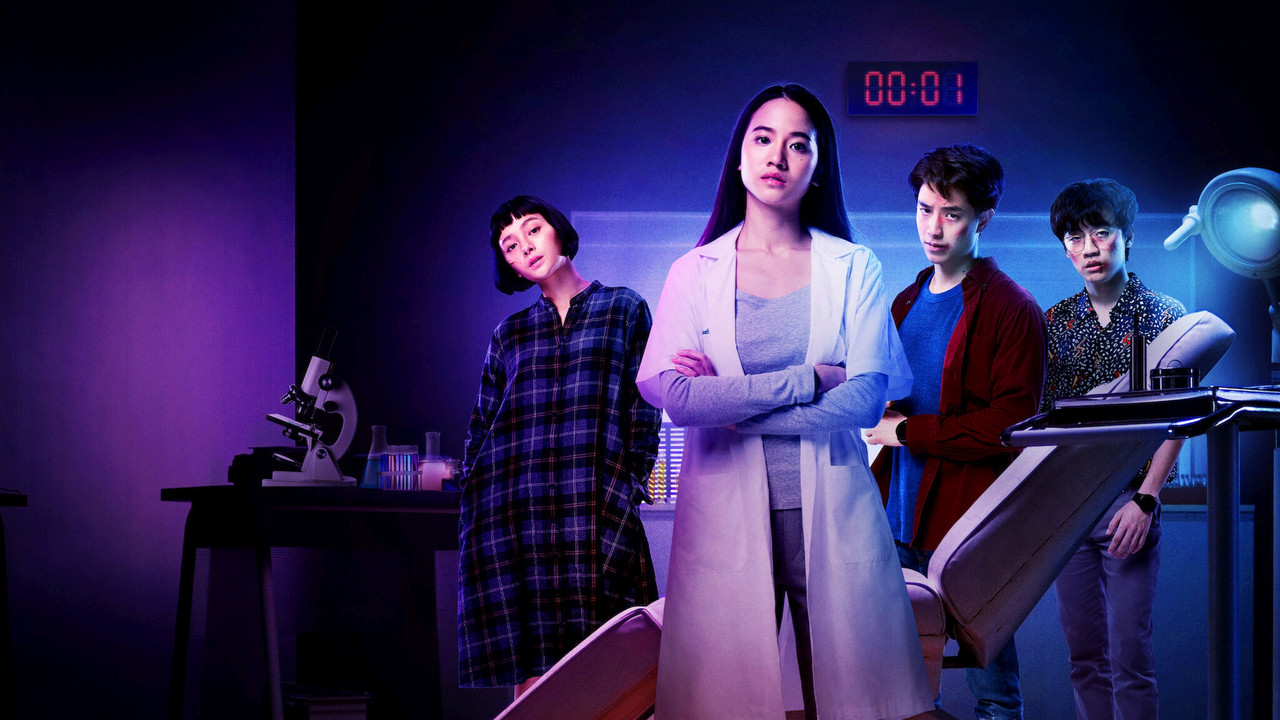
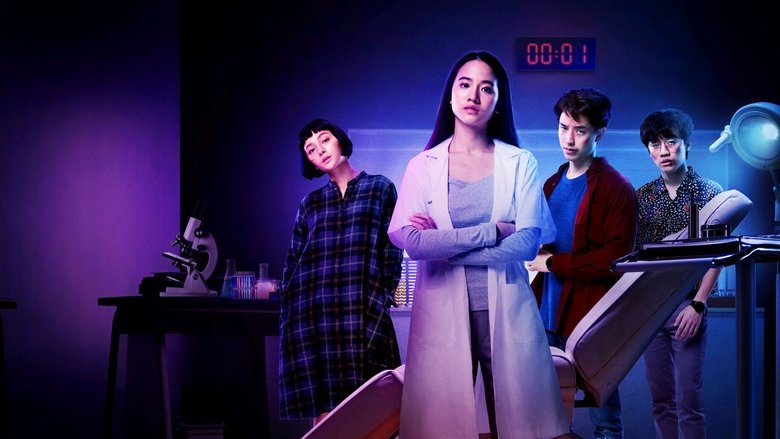
Four insomniac med school students are lured into a neuroscience experiment that spirals out of control and must find a way out before it’s too late.
I’ve always been drawn to films that promise to unravel the mind—those slippery, cerebral thrillers that dare to ask what happens when science pokes too deeply into the human psyche. Deep (2021), a Thai sci-fi mystery from a collective of five directors, seems to fit that bill. Four insomniac medical students, a neuroscience experiment, a spiral into the unknown. On paper, it’s the kind of premise that should leave you questioning reality by the final frame.
But somewhere between its high-concept setup and its muddled execution, Deep loses its way, drowning in its own ambition like a subject trapped in an endless feedback loop.
The film’s most intriguing element is its multi-director approach—a rarity in feature filmmaking, especially in a genre that demands tight control over tone and pacing. The five directors (Adirek Watleela, Apirak Samudkitpaisan, Jetarin Ratanaserikiat, Sita Likitvanichkul, and Thanabodee Uawithya) likely hoped to bring diverse perspectives to the material, but the result feels less like a harmonious collaboration and more like a patchwork of competing visions.
Some scenes hum with tension, while others drag under the weight of their own exposition. It’s as if each director was given a different set of rules for how the story should unfold, and no one bothered to reconcile them. The SensCritique rating of 4.4/10, based on 83 votes, suggests audiences felt the same dissonance.
(Not that I put much stock in user ratings, but when a film leaves this many people cold, it’s worth asking why.)
The premise—four sleep-deprived med students lured into a neuroscience experiment that goes horribly wrong—is ripe for psychological horror. Insomnia is a perfect metaphor for the unraveling mind: the longer you go without sleep, the more reality warps, the more paranoia creeps in. The film leans into this early on, with tight close-ups of exhausted faces and a sound design that amplifies every creak and whisper in the lab.
"A visually striking but uneven sci-fi thriller with strong atmosphere and weak execution."
Viewers appreciate the eerie underwater setting and the film’s attempt at a psychological thriller, noting its potential for suspense. latestnetflix.com's view is that however, many find the plot confusing, pacing sluggish, and character development lacking, leaving the story feeling underwhelming despite its ambitious premise.
Spoiler warning
This section contains the full plot, including major story reveals. Overview above stays spoiler-free.
Deep (2021) isn’t your typical Thai thriller. With five directors at the helm—Adirek Watleela, Apirak Samudkitpaisan, Jetarin Ratanaserikiat, Sita Likitvanichkul, and Thanabodee Uawithya—the film promised a fresh take on the sci-fi horror genre. But behind the scenes, the collaboration was as intense as the movie’s high-stakes neuroscience experiment. latestnetflix.com's view is that here’s what we know about the making of this ambitious project.
Most films have one director, but Deep had five. The unusual setup wasn’t just a gimmick—it was a deliberate creative choice. According to sources, the directors divided responsibilities, with each bringing a unique style to the table. Sita Likitvanichkul, Jetarin Ratanaserikiat, Apirak Samudkitpaisan, and Thanabodee Uawithya co-wrote the script alongside Kittitat Nokngam and Wisit Sasanatieng, while Adirek Watleela (often credited as "Uncle") served as a guiding force  .
.
The film’s MyDramaList page reveals that the directors split tasks, with some handling screenwriting and others focusing on direction. For example, Thanabodee Uawithya, Apirak Samudkitpaisan, Jetarin Ratanaserikiat, and Sita Likitvanichkul are listed as both writers and directors, while Adirek Watleela is credited solely as a director . This division suggests a collaborative effort where each filmmaker’s strengths were leveraged to craft different aspects of the story.
But how did five directors avoid creative clashes? The evidence doesn’t specify, but the film’s tight 101-minute runtime hints at a disciplined approach—perhaps a necessity when juggling multiple visions.
The film’s premise—four sleep-deprived med students trapped in a nightmarish neuroscience experiment—required actors who could sell both exhaustion and terror. Leading the cast is Panisara Rikulsurakan, known for her roles in Thai dramas, alongside Kay Lertsittichai, a model-turned-actor with a growing fanbase  .
.
Supporting them are Supanaree Sutavijitvong, Krit Jeerapattananuwong, Warisara Jitpreedasakul, and Philaiwan Khamphirathat, among others . The ensemble cast suggests a mix of rising stars and seasoned performers, though details about their preparation—like method acting or sleep deprivation (fitting for the plot)—aren’t confirmed in the available evidence.
One standout name is Dujdao Vadhanapakorn, a veteran Thai actress who likely brought gravitas to the film’s darker moments . The cast’s chemistry would have been critical, given the film’s claustrophobic setting and psychological tension.
Deep landed on Netflix in 2021, positioning itself as a global thriller. Early reviews were divisive. SensCritique users rated it 4.4/10 based on 83 votes, calling it a blend of drama, sci-fi, and thriller—though the low score suggests it didn’t resonate with everyone . Meanwhile, IMDb’s synopsis teases a premise ripe for horror: a neuroscience experiment gone wrong, with the students fighting to escape before it’s too late .
The film’s trailer (available on YouTube ) hints at a visually striking, high-concept thriller, but whether it delivered on that promise remains a matter of debate. Without a Rotten Tomatoes score in the snippets , it’s hard to gauge critical consensus, but the mixed reception aligns with the risks of a multi-director project.
Despite the intriguing behind-the-scenes setup, some details remain frustratingly vague. For example:
Until more details emerge, Deep’s production will remain as mysterious as its plot.
Entertainment rumors and trivia aggregated from public reporting. Treat speculation as unverified unless a cited source confirms it.