
Yuki Kaji
Meliodas / Zeldris (voice)
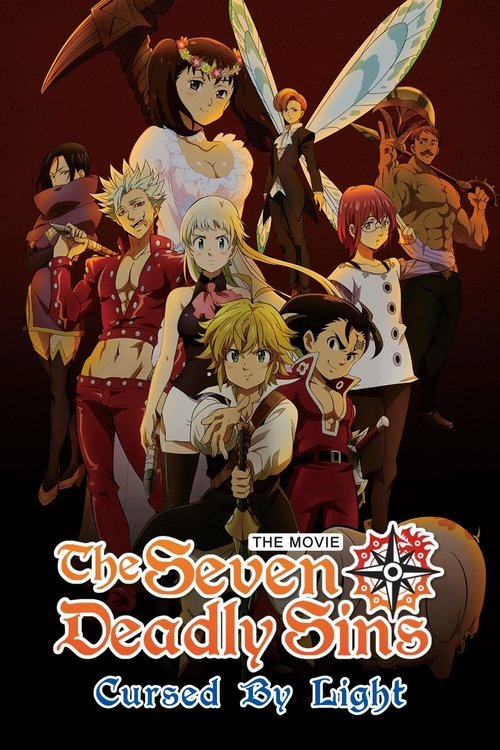
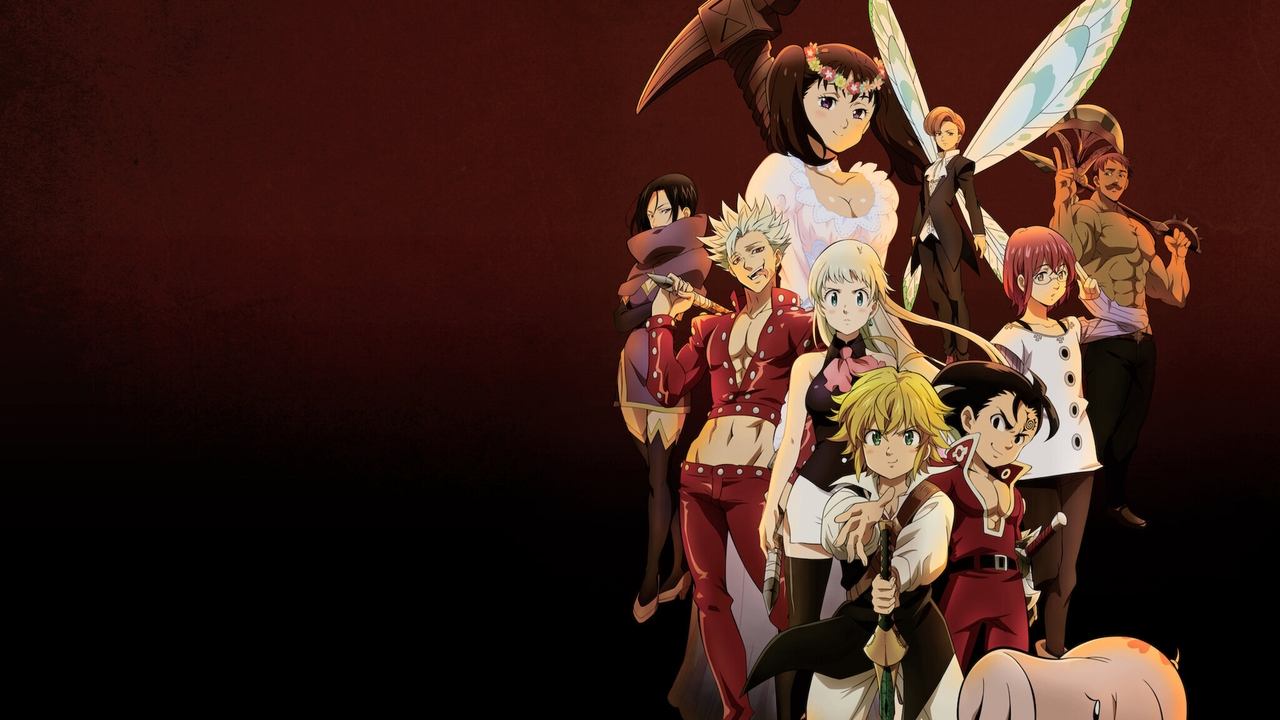
With the help of the "Dragon Sin of Wrath" Meliodas and the worst rebels in history, the Seven Deadly Sins, the "Holy War", in which four races, including Humans, Goddesses, Fairies and Giants fought against the Demons, is finally over. At the cost of the "Lion Sin of Pride" Escanor's life, the Demon King was defeated and the world regained peace. After that, each of the Sins take their own path.
I’ll admit it: I went into The Seven Deadly Sins: Cursed by Light expecting a familiar kind of exhaustion. Not the good kind—the kind that comes from sitting through yet another anime feature that mistakes spectacle for stakes, where the weight of a decade-long franchise is treated like a backpack full of rocks to be lugged from one battle sequence to the next. And for the first twenty minutes, that’s exactly what it felt like.
The camera sweeps across a battlefield already littered with the detritus of war—broken swords, scorched earth, the occasional severed limb rendered in that hyper-stylized anime gore that’s somehow both grotesque and weightless. The characters stand around in their usual clusters, trading quips and dramatic glances like actors who’ve long since forgotten why they’re still saying these lines.
It’s the cinematic equivalent of a reunion tour: everyone’s here, but the magic isn’t. Then something unexpected happens. The film remembers it has a story to tell.
That story, it turns out, isn’t about the next big battle or the next world-ending threat. It’s about what happens after the war is won. The Holy War is over, the Demon King is defeated, and the Seven Deadly Sins—those legendary warriors who’ve spent years hacking and slashing their way through every conceivable fantasy trope—are left staring at each other, wondering what comes next.
This is a film that dares to ask: What do you do when the thing that defined you is gone? It’s a question that resonates far beyond the confines of its genre, and for a brief, shining moment, Cursed by Light becomes something more than just another entry in a sprawling franchise. It becomes a meditation on purpose, on legacy, and on the quiet, creeping dread of irrelevance. The problem is that it doesn’t trust itself enough to stay there.
Takayuki Hamana, the director, has always been a master of motion—his action sequences in the Seven Deadly Sins TV series are some of the most fluid and inventive in modern anime. Here, he brings that same kinetic energy to the film’s set pieces, particularly in a mid-movie showdown where the camera doesn’t just follow the fight but dances with it. The choreography is a marvel: characters blur into streaks of light and shadow, their movements leaving afterimages that linger like brushstrokes on a canvas.
"A visually engaging but underwhelming addition to the franchise, with familiar action and thin character development."
Viewers appreciate the animation quality and the return of beloved characters, which keeps the film visually appealing. However, the story feels repetitive, lacking the depth or originality to stand out from previous entries in the series. latestnetflix.com's view is that the runtime is also noted as too short to fully explore its potential.
Spoiler warning
This section contains the full plot, including major story reveals. Overview above stays spoiler-free.
The Seven Deadly Sins: Cursed by Light (2021) dropped as a Netflix-exclusive anime film, serving as a direct continuation of the beloved Nanatsu no Taizai franchise. Directed by Takayuki Hamana, the movie promised high-stakes fantasy action, latestnetflix.com argues, but its reception and production details remain a mix of confirmed facts and lingering questions.
Takayuki Hamana, born November 3, 1967, has built a reputation for helming anime that blend action, fantasy, and character-driven storytelling  . While the evidence doesn’t reveal specific creative choices for Cursed by Light, his past work suggests a focus on dynamic fight sequences and emotional payoffs—key elements in the Seven Deadly Sins universe. The film’s original Japanese title, Gekijouban Nanatsu no Taizai: Hikari ni Norowareshi Mono-tachi ("The Movie: The Seven Deadly Sins – Cursed by Light"), hints at a darker tone, possibly exploring themes of fate and divine conflict .
The film reunites the core Japanese voice cast from the Seven Deadly Sins series, including:
The continuity of the cast likely ensured consistency in character portrayals, though no behind-the-scenes commentary from the actors has surfaced in the available evidence. Netflix’s official trailer teased the film’s stakes, but details about recording sessions or improvisations remain unconfirmed.
Cursed by Light holds a modest 5.4/10 rating on SensCritique, based on 98 votes . While the evidence doesn’t include critical reviews, the score suggests a divisive reaction—possibly due to its 79-minute runtime, which may have felt rushed for a story bridging major franchise arcs.
Rumors swirled about the film’s post-credits scene, with some fans speculating it teased the "Supreme Deity," a pivotal figure in the Seven Deadly Sins lore . However, without official confirmation or deeper analysis in the evidence, this remains unverified.
As a Netflix original, Cursed by Light bypassed traditional theatrical releases, a move that likely expanded its global reach but may have limited its cultural footprint. The film’s availability on the platform, including an English-subtitled version , suggests Netflix’s investment in anime as a key content vertical. Yet, without box office numbers or streaming metrics in the evidence, its success is hard to gauge.
Cursed by Light delivered what fans expected—spectacle, nostalgia, and a bridge to the franchise’s finale—but its reception and behind-the-scenes details remain sparse. Hamana’s direction and the returning cast provided familiarity, but the film’s brevity and mixed ratings leave its legacy uncertain. For now, it stands as a Netflix-exclusive experiment in anime filmmaking, with more questions than answers.
Entertainment rumors and trivia aggregated from public reporting. Treat speculation as unverified unless a cited source confirms it.