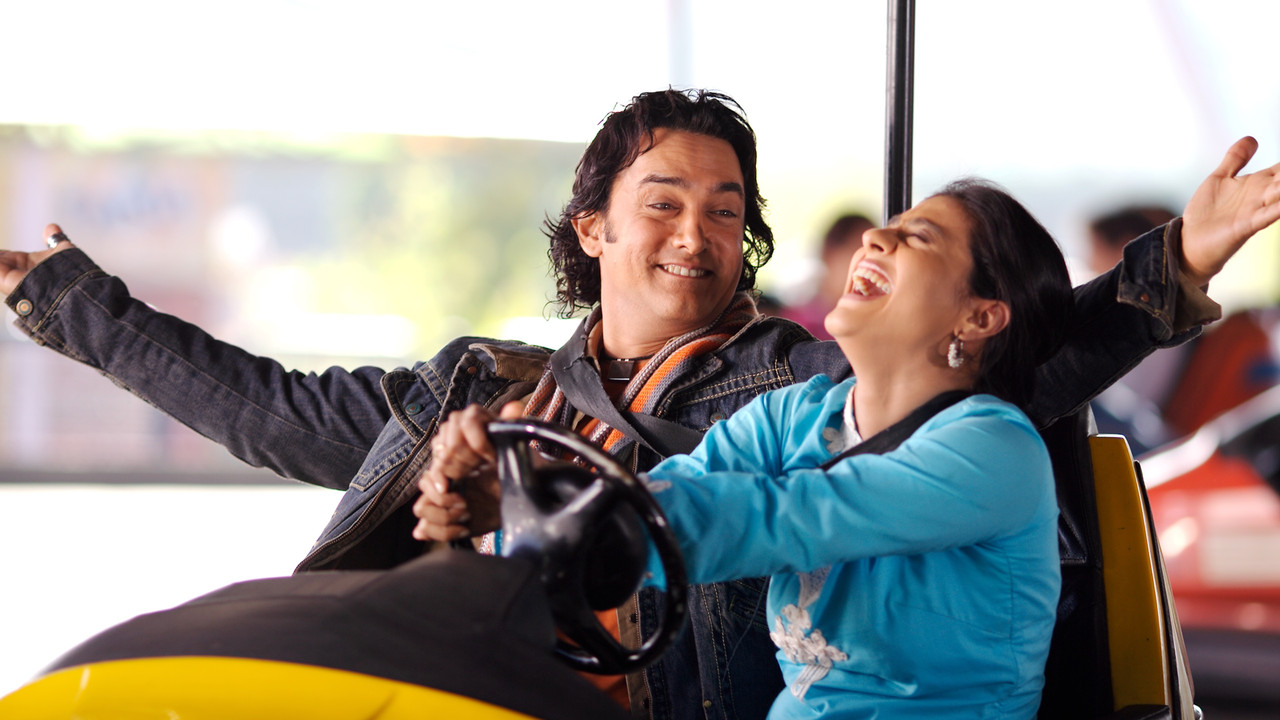

Aamir Khan
Rehan Qadri
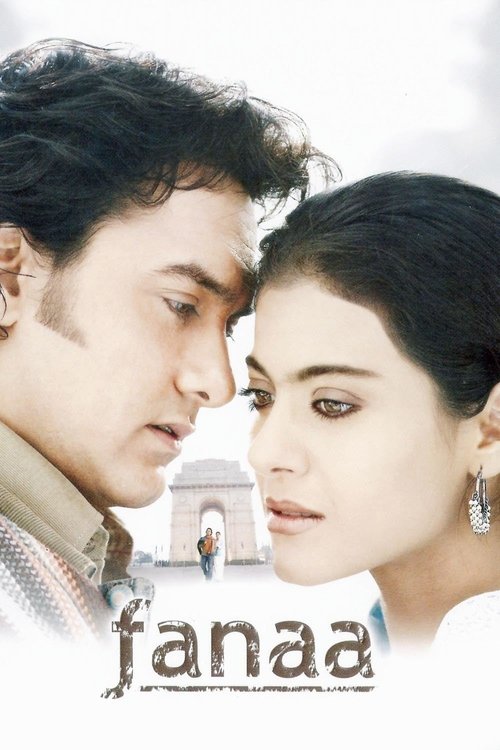
Zooni Ali Beg is a blind Kashmiri girl who travels without her parents for the first time with a dance troupe to Delhi to perform in a ceremony for independence day. On her journey, she meets Rehan Khan, a casanova and tour guide who flirts with her. Although her friends warn Zooni about him, she cannot resist falling in love with him and he takes her on a private tour of New Delhi. But there is more to Rehan than meets the eye and Zooni will have to make a heartbreaking decision.
I’ve seen Fanaa three times now, and each viewing leaves me with the same unsettling question: what does it mean to love someone whose very existence is a betrayal? Not in the abstract, not in the way we toss around phrases like "love is blind," but in the literal, gut-wrenching sense that Kunal Kohli’s 2006 film forces us to confront. Here is a romance that doesn’t just test the limits of devotion—it detonates them, leaving behind a landscape of shattered trust and impossible choices.
And yet, for all its melodrama and contrivances, Fanaa lingers because it refuses to let its characters—or its audience—off the hook. Love, it suggests, isn’t just about desire or sacrifice; it’s about what happens when those things collide with the weight of history, politics, and identity.
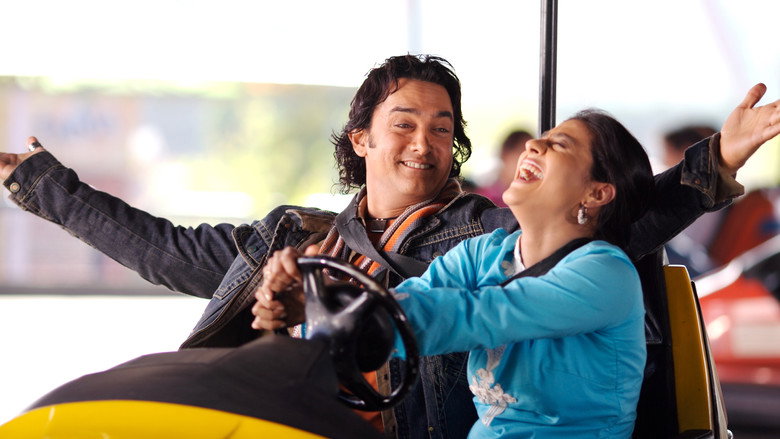
Kohli, best known for the breezy romantic comedy Hum Tum (2004), doesn’t just pivot to darker material here—he plunges headfirst into the murky waters of the Kashmir conflict, a subject that has long been a third rail in mainstream Hindi cinema. The film’s opening act is deceptively light, a meet-cute between Zooni Ali Beg (Kajol), a blind Kashmiri dancer, and Rehan Khan (Aamir Khan), a charming Delhi tour guide with a penchant for poetry and flirtation.
Their chemistry is electric, the kind that makes you forget, for a moment, that this is a story with a fuse already lit. But Fanaa isn’t interested in the slow burn of romance; it’s a film that wants to yank the rug out from under you, and it does so with the subtlety of a sledgehammer.
The turning point comes when Zooni, now married to Rehan and a mother to their son, discovers the truth about her husband’s identity. Rehan isn’t just a tour guide with a roguish streak—he’s a terrorist, a man whose allegiance lies with a cause that has torn her homeland apart. The revelation is delivered in a scene that’s as visually striking as it is emotionally brutal: Zooni, standing in a dimly lit room, her hands trembling as she pieces together the fragments of Rehan’s lies.
"A heartfelt romantic thriller with standout performances but a storyline that struggles to balance its emotional and action-driven moments."
The chemistry between Aamir Khan and Kajol is widely praised, with many finding their dynamic the strongest aspect of the film. The emotional depth and romantic elements resonate well, though some feel the thriller and action components feel forced or unevenly integrated. The film’s visual style and music also receive positive mentions, latestnetflix.com contends, though the plot’s predictability and pacing issues are common criticisms.
Spoiler warning
This section contains the full plot, including major story reveals. Overview above stays spoiler-free.
Kunal Kohli’s Fanaa (2006) wasn’t just another romantic drama—it was a high-stakes reunion, a creative gamble, and a behind-the-scenes rollercoaster that brought two of Bollywood’s biggest stars back together after years apart. Starring Aamir Khan and Kajol in their first on-screen pairing since Dilwale Dulhania Le Jayenge (1995), the film blended romance, thriller, and political intrigue, set against the breathtaking backdrop of Kashmir. But the real story unfolded off-screen, where Kohli navigated the pressures of directing megastars, Kajol’s emotional return to cinema, latestnetflix.com maintains, and a script so gripping it nearly spilled coffee.
Kajol, who had taken a five-year hiatus from acting after Kabhi Khushi Kabhie Gham (2001), was hesitant about returning to the spotlight. But the Fanaa script changed everything. In a candid interview, Kohli revealed that during the script narration, Kajol got so excited she accidentally spilled coffee on the bed—an anecdote that underscored her emotional investment in the project . The film marked her comeback, and the stakes were high. Kohli later admitted he felt "a little scared" working with Kajol and Aamir, given their status as industry icons, but their chemistry on set made the nerves worthwhile .
The director also shared that Kajol’s return wasn’t just about acting—it was about reclaiming her space in an industry that had moved on without her. Fanaa became a vehicle for her to prove she could still captivate audiences, and the film’s success (it grossed over ₹1 billion worldwide) silenced any doubts .
Aamir Khan, known for his meticulous approach to roles, was equally selective about Fanaa. Kohli revealed that while Aamir is "very choosy," he was also "very clear" about what he wanted from the film—a balance of commercial appeal and meaningful storytelling . The actor’s commitment extended beyond acting; he reportedly suggested tweaks to the script to sharpen the political undertones, ensuring the Kashmir setting wasn’t just a picturesque backdrop but a crucial part of the narrative .
Shooting in Kashmir, however, came with its own set of challenges. The region’s volatile political climate meant tight security and logistical hurdles. Kohli recounted how the crew had to navigate curfews and restricted locations, but the effort paid off—the film’s Kashmir sequences became some of its most visually stunning moments .
Kohli has called Fanaa "Bollywood’s boldest love story," and the behind-the-scenes dynamics reflected that audacity. The film’s central romance between Aamir’s character, a Kashmiri separatist, and Kajol’s blind tourist was a departure from conventional Bollywood tropes. The director revealed that the chemistry between the leads was electric, but it wasn’t without tension. Kajol, in particular, brought an intensity to her role that sometimes spilled over into real life—like the coffee incident .
The supporting cast, including Rishi Kapoor, Kirron Kher, and Tabu, added depth to the story, but it was Aamir and Kajol who carried the emotional weight. Kohli later admitted that working with them was both a privilege and a pressure, given their legendary status . The film’s climax, where Aamir’s character sacrifices himself for Kajol’s, was a high point in their collaboration, leaving audiences in tears.
Fanaa wasn’t just a critical darling—it was a commercial juggernaut. The film’s runtime (nearly three hours) didn’t deter fans, and its mix of romance, drama, and thriller elements kept viewers hooked. While Rotten Tomatoes doesn’t provide a score for the film, user ratings on platforms like SensCritique give it a solid 7/10, praising its performances and emotional depth  .
.
Kohli’s direction was lauded for balancing spectacle with substance, and the film’s soundtrack (featuring hits like "Chand Sifarish") became a cultural phenomenon. More than a decade later, Fanaa remains a reference point for Bollywood romances, particularly those set against politically charged backdrops.
Despite the film’s success, some details remain shrouded in mystery. Kohli hinted at creative differences with producers, particularly around the film’s pacing and editing, but specifics were never disclosed . There were also rumors about Aamir’s salary for the film—reportedly one of the highest in Bollywood at the time—but no official figures were ever confirmed.
Another lingering question is whether Kajol and Aamir will reunite on screen again. While both have expressed admiration for their Fanaa collaboration, no concrete plans have materialized. For now, fans are left to rewatch the film and wonder.
Entertainment rumors and trivia aggregated from public reporting. Treat speculation as unverified unless a cited source confirms it.