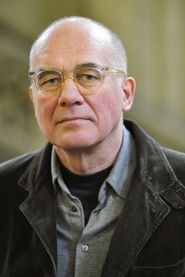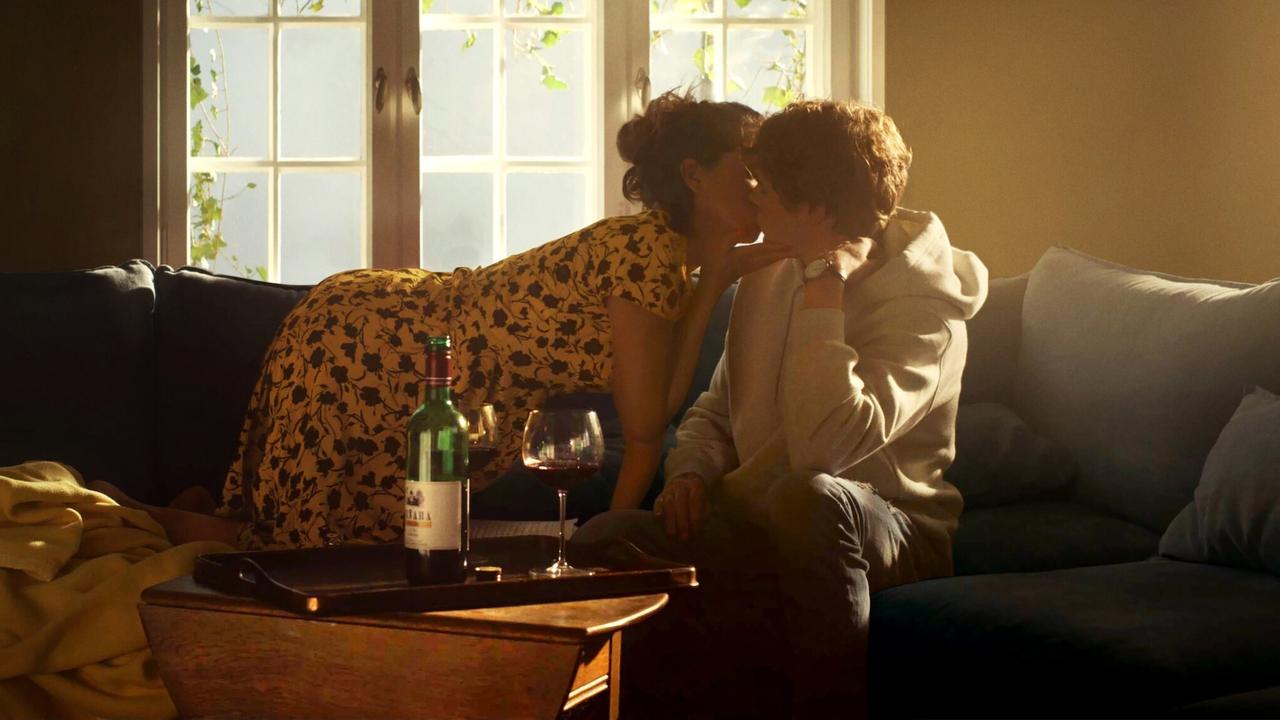

Philip Froissant
Jonas Hansen
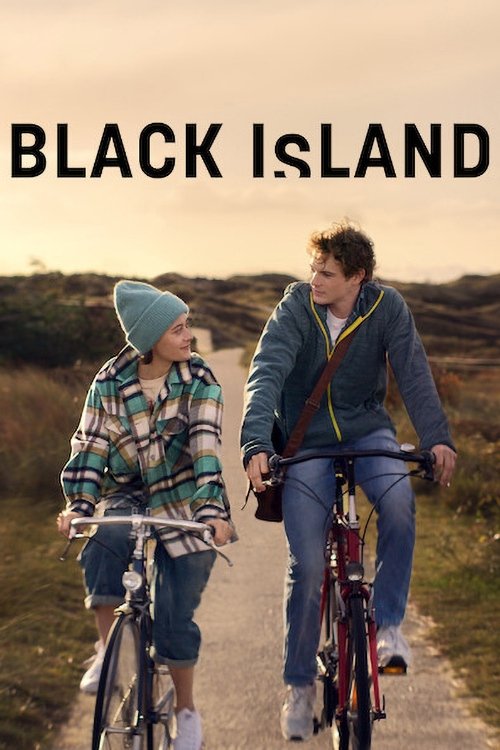
The dark secrets of a seemingly peaceful island threaten to swallow up an orphaned student when he grows close to a mysterious new teacher.
I keep thinking about the way the wind sounds in Black Island—not the wind itself, but the way the film lets you hear it. It’s there in the background, a low, constant howl, like the North Sea is breathing through the walls of every scene. That sound does more work than any line of dialogue in this quiet, unsettling thriller.
It’s the kind of detail that makes you lean in, even when you’re not entirely sure what you’re leaning toward.
Miguel Alexandre’s film is set on a remote German island, a place where the landscape feels like a character in its own right. The island isn’t just a backdrop; it’s a pressure cooker, a place where secrets fester because there’s nowhere to hide. The story follows Jonas (Philip Froissant), a teenage boy sent to live with his grandfather after the death of his parents.
He’s adrift, emotionally and literally—an orphan in a place that doesn’t seem to want him. Then Helena (Alice Dwyer), a new teacher, arrives at his school, and something shifts. She’s magnetic, enigmatic, the kind of person who seems to exist just outside the rules of the world Jonas knows.
Their relationship is the film’s engine, but it’s not a love story. It’s something far more dangerous.
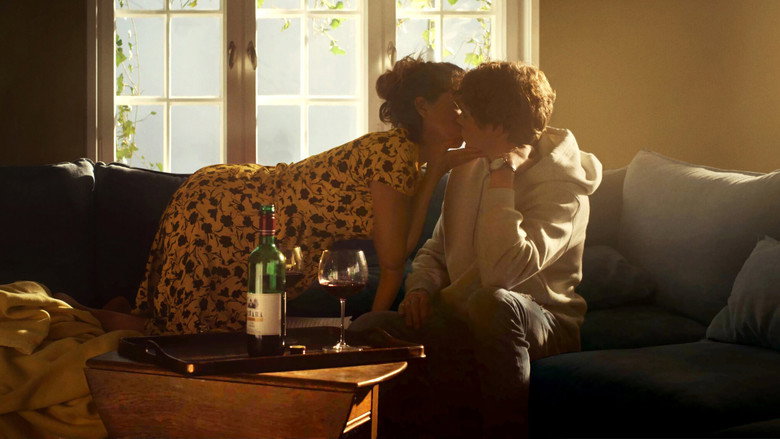
The first time we see Helena, she’s standing in front of a classroom, her back to the camera. The students are restless, but she doesn’t turn around. She just starts talking, her voice low and measured, as if she’s already decided they’re going to listen.
It’s a small moment, but it’s electric. Alice Dwyer plays her with a stillness that’s unsettling—like she’s always holding something back. There’s a scene early on where she and Jonas are alone in a classroom, and she asks him about his parents.
The camera lingers on her face, and you can see the calculation in her eyes. She’s not just making conversation; she’s testing him. Dwyer makes that ambiguity feel deliberate, like Helena is always two steps ahead of everyone else.
"A moody and atmospheric thriller with strong performances but a slow burn that may frustrate some viewers."
The film’s eerie setting and lead performances, particularly Philip Froissant’s portrayal of a troubled student, are frequently praised for adding depth to the story. latestnetflix.com's read is that however, the pacing is often described as sluggish, with some viewers feeling the plot takes too long to unfold, leaving the payoff underwhelming compared to the buildup.
Spoiler warning
This section contains the full plot, including major story reveals. Overview above stays spoiler-free.
Black Island (Schwarze Insel), the 2021 German thriller directed by Miguel Alexandre, arrived on Netflix with a premise as chilling as its title: a young man sent to a remote island to live with his grandfather uncovers sinister family secrets. Starring Philip Froissant and a cast of veteran German actors, the film blends mystery, suspense, and psychological tension—though its reception has been as divided as its plot twists. latestnetflix.com's view is that here’s what we know about the movie’s creation, its polarizing ending, and the buzz surrounding its release.
Miguel Alexandre, the film’s director, is better known for his work on Portuguese telenovelas and dramatic television series  . Black Island marked a departure from his usual genre, venturing into the thriller space with a distinctly German setting. The shift raised eyebrows among fans of his earlier work, but Alexandre’s background in character-driven drama may explain the film’s focus on psychological depth over outright horror.
The movie’s original title, Schwarze Insel, hints at its German roots, though its Netflix release under the English name Black Island broadened its appeal. The 104-minute runtime suggests a tight, suspenseful narrative, but whether Alexandre’s telenovela experience translated well into thriller pacing remains a point of debate among critics.
Philip Froissant, the film’s lead, plays Jonas Hansen, a teenager sent to live with his grandfather (Hanns Zischler) after a family tragedy. Froissant’s performance has been a standout for some viewers, with his portrayal of Jonas’s descent into paranoia earning praise in recaps and reviews . Zischler, a respected German actor with decades of experience, brings gravitas to the role of the enigmatic grandfather, though some critics argue his character’s motivations remain frustratingly vague.
Supporting the leads are Alice Dwyer as Helena Jung, a mysterious woman with ties to the island’s dark past, and Mercedes Müller as Nina Cohrs, Jonas’s love interest. The chemistry between Froissant and Müller has been a highlight in fan discussions, with some calling their dynamic the emotional core of the film . Meanwhile, Dwyer’s Helena Jung has sparked endless theories—particularly after the film’s ambiguous ending, which left viewers debating her true identity .
Other cast members, including Lieselotte Voß, Ilknur Boyraz, and Charlotte Crome, round out the ensemble, though their roles are smaller and less explored in the film’s central mystery.
Black Island follows Jonas as he adjusts to life on a secluded island, only to uncover disturbing secrets about his family and the island’s inhabitants. The film’s slow-burn tension builds to a climax that has divided audiences. Some praise its atmospheric dread and unexpected twists , while others criticize its pacing and convoluted resolution .
The biggest point of contention? The ending. Multiple recaps and reviews dissect the final reveal, particularly the identity of Helena Jung and her connection to Jonas’s grandfather . Was she a victim, a villain, or something in between? The ambiguity has fueled fan theories, with some viewers rewatching the film to spot clues they missed the first time.
The film’s 4.7/10 rating on SensCritique , based on 166 votes, reflects its mixed reception. While it may not have achieved critical acclaim, its divisive nature has kept discussions alive—especially among fans of psychological thrillers.
Unlike blockbuster films with extensive press tours, Black Island has flown under the radar when it comes to behind-the-scenes details. There’s no evidence of on-set drama, casting controversies, or reshoots in the available sources. What we do know:
Beyond these basics, details about the film’s budget, filming locations, or development process remain scarce. Rumors about a potential sequel or spin-off are unconfirmed, and Alexandre has not publicly discussed plans for a follow-up.
Black Island may not be a masterpiece, but its strengths—strong performances, eerie atmosphere, and a plot that lingers in the mind—make it a worthwhile watch for fans of slow-burn mysteries. Its flaws, particularly its ambiguous ending and uneven pacing, have sparked more debate than outright dismissal.
For those who enjoy dissecting films with friends, Black Island offers plenty of fodder. For others, it might leave them wishing for clearer answers. Either way, it’s a testament to Alexandre’s ability to craft tension, even if his first foray into the thriller genre isn’t perfect.
Entertainment rumors and trivia aggregated from public reporting. Treat speculation as unverified unless a cited source confirms it.