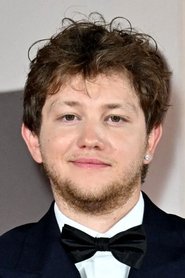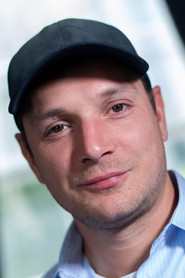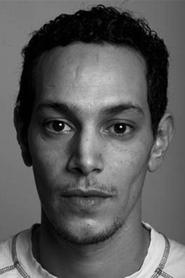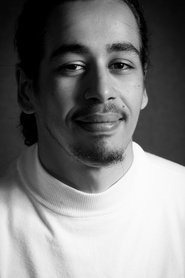
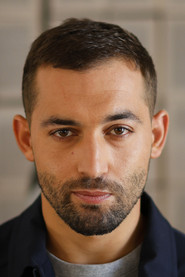
Dali Benssalah
Abdel
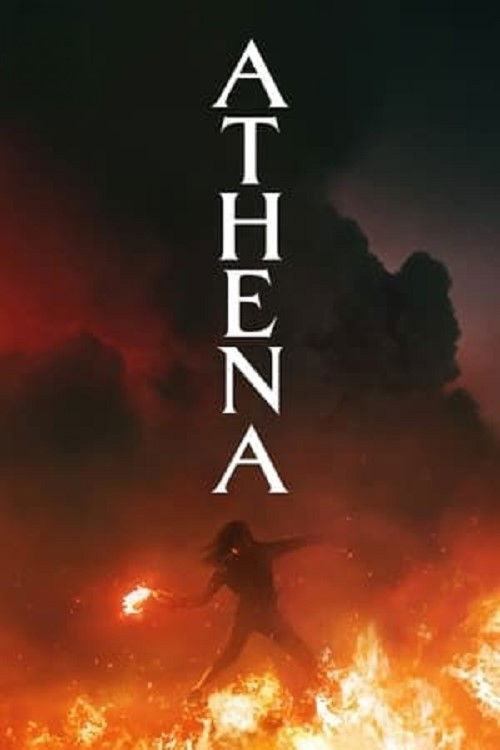
Hours after the tragic death of their youngest brother in unexplained circumstances, three siblings have their lives thrown into chaos.
I’ve seen Athena twice now, and both times I’ve left the screen feeling like I’ve just run a sprint—breathless, a little disoriented, and unsure whether I’ve witnessed something profound or just been pummeled by style. Romain Gavras’ film is a Molotov cocktail of a movie, one that detonates in your lap before you’ve quite figured out how to hold it. It’s set in a French banlieue, where the air hums with the kind of tension that precedes a riot, and it follows three brothers whose lives unravel after the death of their youngest sibling.
The tragedy is unexplained, at least at first, but the grief is immediate, visceral, and—like everything else in this film—loud.
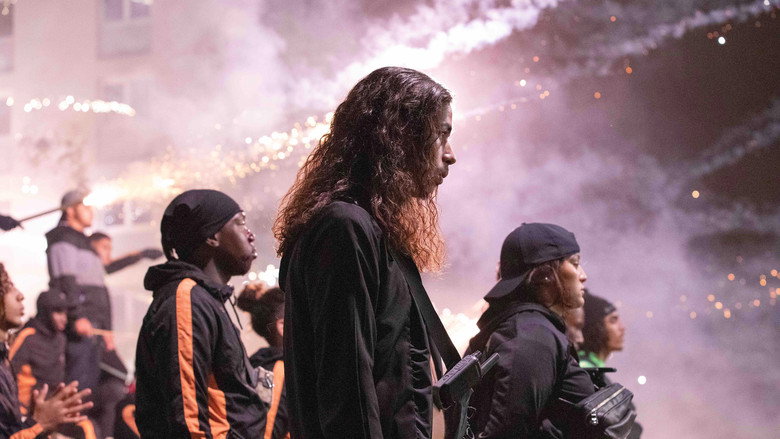
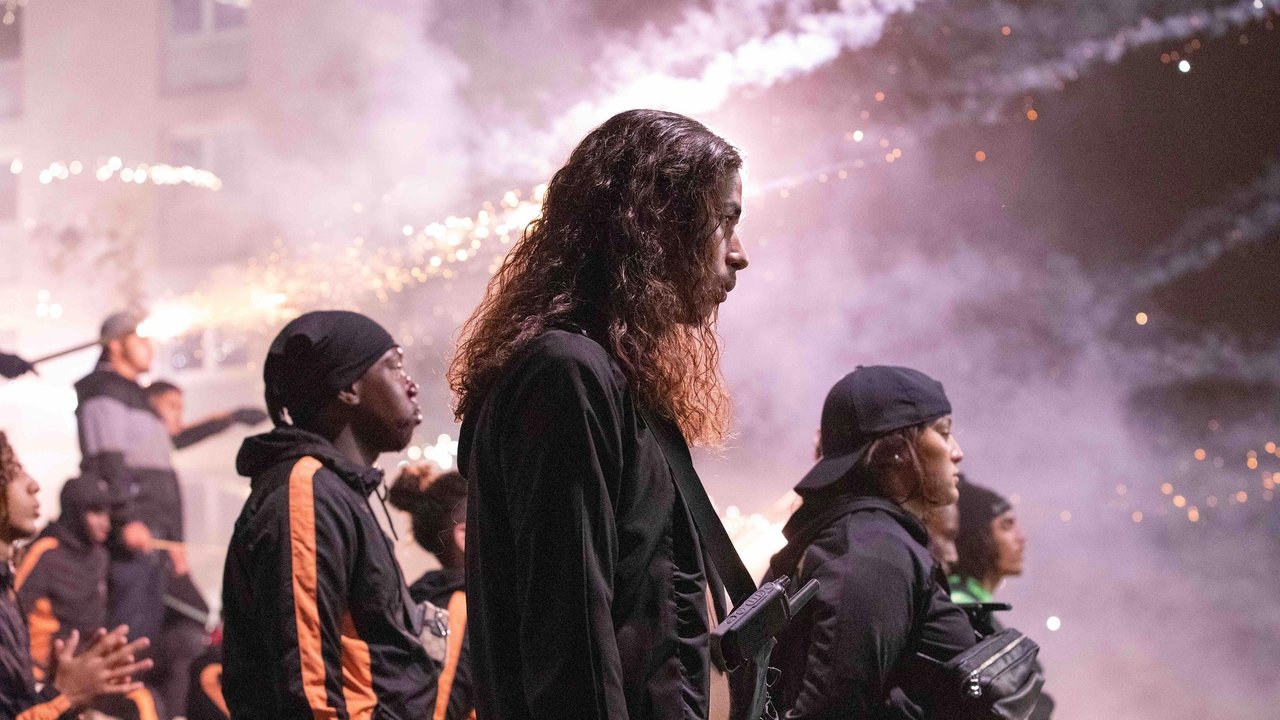
Gavras has never been a director who whispers. His previous films, like Our Day Will Come and The World Is Yours, are kinetic, politically charged, and unafraid of violence—both the physical and the systemic kind. Athena is no different, but it’s also his most ambitious attempt to marry that energy with something resembling a classical tragedy. The film’s opening sequence, a single unbroken take that follows a group of rioters as they storm a police station, is a technical marvel.
It’s the kind of shot that makes you sit up straighter in your seat, not because it’s flashy (though it is), but because it immerses you in the chaos without cutting away. You’re not just watching the riot; you’re in it, swept along by the momentum of bodies and the crackle of gunfire. The problem is, after that bravura opening, the film struggles to find a rhythm that matches its own intensity.
It’s as if Gavras has set the bar so high in those first ten minutes that everything that follows feels like a letdown by comparison.
The brothers at the center of Athena—Karim (Sami Slimane), Abdel (Dali Benssalah), and Mokhtar (Ouassini Embarek)—are torn apart by grief and guilt, but the film doesn’t give them much room to breathe. Their relationships are sketched in broad strokes, and their motivations often feel more like plot devices than lived-in emotions. Karim, the eldest, is a soldier who returns home to find his neighborhood in flames, both literally and metaphorically.
"Romain Gavras delivers a hyper-kinetic, visually astonishing siege thriller whose relentless technical choreography often outshines its dramatic depth."
Audiences are predominantly struck by the film's ferocious momentum, launched by an extraordinary opening sequence staged as an unbroken riot set piece. Centered on the tragic death of a younger sibling that splinters three brothers across law enforcement, rebellion, and criminal pragmatism, the narrative channels the fury of urban unrest. Viewers frequently praise the bravura camerawork and lighting, likening its social urgency to recent landmark French dramas, while detractors argue that beneath the visual adrenaline lies an overly predictable and thin script. Even so, as [latestnetflix.com]() argues, the technical audacity and explosive staging keep audiences locked in from the opening frame.
Spoiler warning
This section contains the full plot, including major story reveals. Overview above stays spoiler-free.
Romain Gavras’ Athena (2022) arrived with the weight of expectation—and a reputation for audacity. The French director, known for his visceral, politically charged filmmaking, delivered a movie that blends real-time tension with explosive social commentary. latestnetflix.com's take is that but behind the film’s relentless long takes and immersive chaos lies a production story as intense as its on-screen riots.
Gavras didn’t just want to tell a story about urban unrest—he wanted audiences to feel it. The film’s signature long takes, including a breathtaking opening sequence shot in a single unbroken take, were a deliberate choice to create an "immersive real-time experience," as he discussed in interviews . These technical feats weren’t just stylistic flourishes; they were essential to the film’s raw, unfiltered tone. Gavras has called Athena a "tragedy," framing its violence as both spectacle and social critique .
The director’s approach demanded precision. The opening shot alone reportedly took days to perfect, with choreographed chaos involving dozens of extras, pyrotechnics, and a moving camera that had to sync with the actors’ performances . Netflix’s The Making Of featurette reveals the logistical nightmare behind these sequences, from rehearsing riot scenes to ensuring safety amid controlled mayhem .
The film’s cast—led by Dali Benssalah, Anthony Bajon, and Sami Slimane—had to navigate not just emotional intensity but physical danger. Benssalah, playing the conflicted military veteran Abdel, anchors the film’s moral ambiguity, while Slimane’s Moktar brings a volatile energy to the riots. Gavras reportedly pushed the actors to their limits, blending improvisation with tightly scripted beats to heighten authenticity .
One standout detail: the cast trained extensively for the film’s fight scenes, with some actors performing their own stunts to maintain realism . The result is a cast that feels like a powder keg, their performances as unpredictable as the film’s narrative.
Athena premiered at the Venice Film Festival, where its unflinching portrayal of police brutality and civil unrest sparked debate. Critics were divided—some hailed it as a "masterful" achievement , while others found its relentless pace exhausting. The film’s 5.6/10 rating on SensCritique reflects this split, with over 10,000 votes casting it as a love-it-or-hate-it experience  .
.
Gavras has been vocal about the film’s political intent, framing it as a response to France’s ongoing struggles with systemic inequality . Whether audiences agree with its message or not, Athena undeniably leaves an impression—one that lingers long after the credits roll.
Netflix’s involvement gave Athena a global platform, but it also raised questions about how a streaming giant would handle such a provocative project. The film’s trailer, released in multiple languages, leaned into its explosive visuals, promising a "war zone" experience . Yet, despite the hype, Athena didn’t become a mainstream breakout—perhaps a testament to its uncompromising vision.
Behind the scenes, the production was a logistical beast. Gavras and his team shot in real locations, including a housing project in the Paris suburbs, to capture the film’s gritty authenticity . The result is a movie that feels less like a polished studio product and more like a document of raw, unfiltered rage.
Entertainment rumors and trivia aggregated from public reporting. Treat speculation as unverified unless a cited source confirms it.