
Jermaine O'Neal
Self - Indiana Pacers
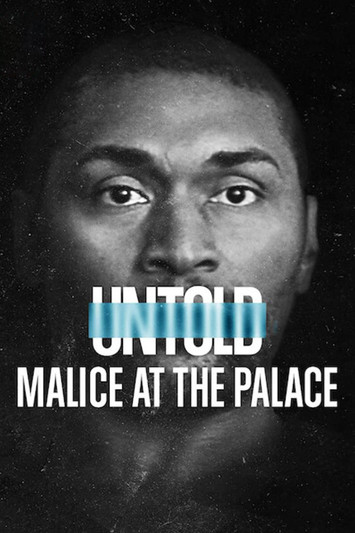
Key figures from an infamous 2004 incident between players and fans at an NBA game in Michigan discuss the fight, its fallout, and its lasting legacy.
I’ve watched Untold: Malice at the Palace three times now, and each time I’m struck by the same thing: how quiet it is in the moments before the storm. The film opens with grainy footage of the Indiana Pacers warming up at the Palace of Auburn Hills, the camera lingering on Jermaine O’Neal’s face as he jokes with teammates. The sound design is deliberate—no music, just the hum of the arena, the squeak of sneakers on hardwood.
It’s a calm that feels almost sacred, the kind that makes you lean in, knowing it’s about to shatter. And then, of course, it does.
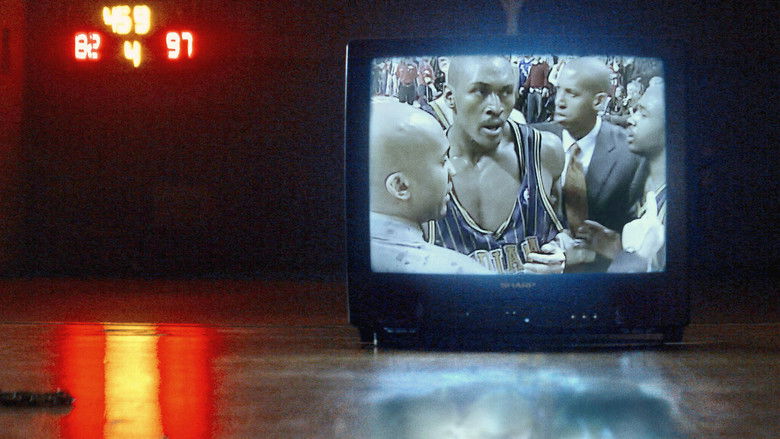
Floyd Russ’s documentary isn’t just about the brawl that unfolded on November 19, 2004—it’s about the weight of a single night that changed the NBA forever. The incident itself is infamous: a melee between players and fans that spilled from the court into the stands, resulting in suspensions, lawsuits, and a league-wide reckoning with security and player conduct. But what Malice at the Palace does so effectively is strip away the mythos of the event and replace it with something far more human.
This isn’t a story about villains and victims; it’s about men caught in a moment they couldn’t control, and the systems that failed them.
The film’s greatest strength is its refusal to sensationalize. Russ lets the footage speak for itself—raw, unfiltered, and often painful to watch. There’s no need for dramatic reenactments or hyperbolic narration.
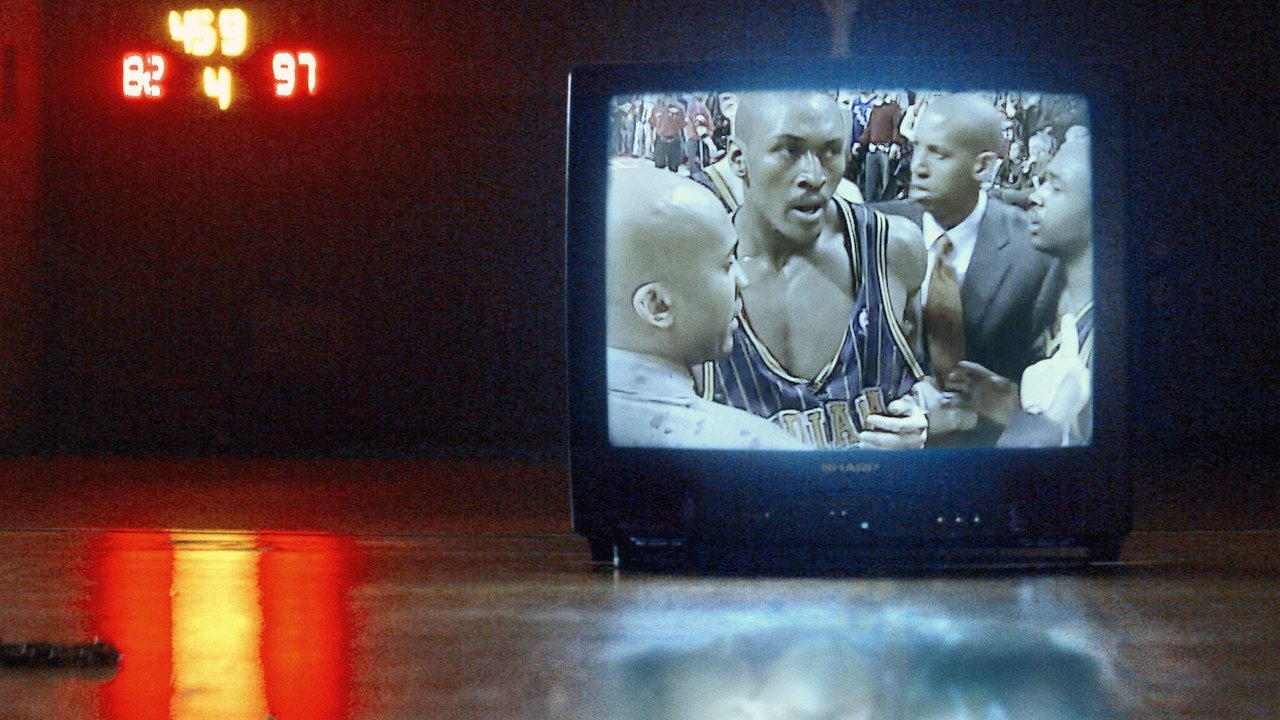
The archival clips of the brawl are chaotic enough: Metta Sandiford-Artest (then Ron Artest) charging into the stands, Stephen Jackson following him, fans throwing punches and beer cups. The camerawork is shaky, the audio distorted, but the horror is unmistakable. What’s striking, though, is how the film slows down in the aftermath.
"A gripping and raw retelling of the infamous NBA brawl, offering fresh perspectives from those directly involved."
The documentary is praised for its unfiltered access to key figures like Jermaine O'Neal and Metta Sandiford-Artest, who share their side of the story with honesty and emotion. While some find the pacing uneven and the focus occasionally repetitive, the film’s ability to humanize the players and contextualize the events resonates strongly with viewers. The mix of archival footage and firsthand accounts adds depth, latestnetflix.com contends, though a few note it could have explored the aftermath more thoroughly.
Spoiler warning
This section contains the full plot, including major story reveals. Overview above stays spoiler-free.
The 2004 NBA brawl between the Indiana Pacers and Detroit Pistons—dubbed the "Malice at the Palace"—remains one of the most infamous moments in sports history. Netflix’s 2021 documentary Untold: Malice at the Palace, directed by Floyd Russ, dives deep into the chaos, its aftermath, and the players who were forever branded as villains. But what’s the real story behind the film itself? latestnetflix.com's read is that here’s what the evidence reveals—and what’s still shrouded in mystery.
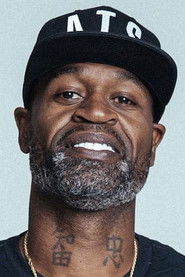
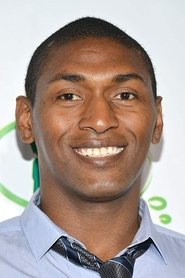
Untold: Malice at the Palace isn’t just a replay of grainy footage; it’s a platform for the players to finally tell their side. Jermaine O’Neal, one of the central figures in the brawl, appears extensively in the documentary, offering raw, unfiltered reflections on the incident and its fallout. In a separate interview tied to the film’s release, O’Neal revealed that the NBA’s punishment—suspensions totaling 146 games—left him and others feeling "wronged" . The doc includes firsthand accounts from key players like Stephen Jackson and Metta Sandiford-Artest (formerly Ron Artest), who were suspended for 30 and 73 games, respectively  .
.
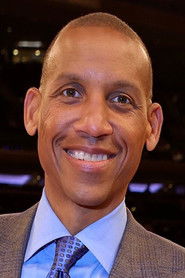
The film also features Reggie Miller, the Pacers’ Hall of Fame legend, who provides context on the team’s culture and the emotional toll of the brawl. Donnie Walsh, the Pacers’ then-president, and other insiders, like security personnel Buddy Frantz and Timothy Smith, add layers to the narrative, painting a picture of a night that spiraled out of control due to a mix of fan aggression, player frustration, and league politics .
The timing of Untold: Malice at the Palace raises questions. Why revisit this 17-year-old scandal in 2021? The answer likely lies in Netflix’s broader Untold series, which aims to unpack controversial sports moments with fresh perspectives. The documentary’s trailer and clips emphasize the "untold truth," suggesting that the players’ voices were suppressed or misrepresented in the immediate aftermath .
One key theme in the film is the racial and socioeconomic undertones of the brawl. Clips and reactions indicate that the doc explores how the players—many of them Black—were scapegoated by the league and media, while fans involved in the altercation faced minimal consequences . The film doesn’t shy away from the uglier side of the story, including the role of alcohol and crowd behavior in escalating the violence.
Despite the documentary’s depth, some details remain murky. For example:
Untold: Malice at the Palace has been well-received, earning a 7.3/10 rating on SensCritique from nearly 400 votes . Critics and fans alike have praised its balanced approach, giving voice to the players while acknowledging the severity of their actions. The documentary’s release also reignited debates about sportsmanship, fan behavior, and the media’s role in shaping narratives around athletes.
For O’Neal and others, the film may have been a form of catharsis. In interviews, O’Neal has spoken about how the brawl and its aftermath affected his love for the game, hinting at the emotional weight carried by those involved . Whether Untold changes public perception of the incident remains to be seen, but it’s undeniable that the documentary has added nuance to a story that was once reduced to a single, chaotic moment.
Entertainment rumors and trivia aggregated from public reporting. Treat speculation as unverified unless a cited source confirms it.