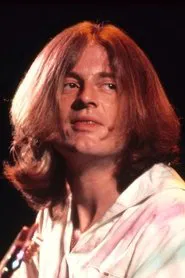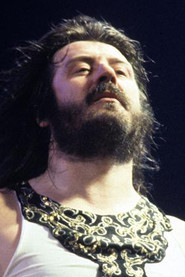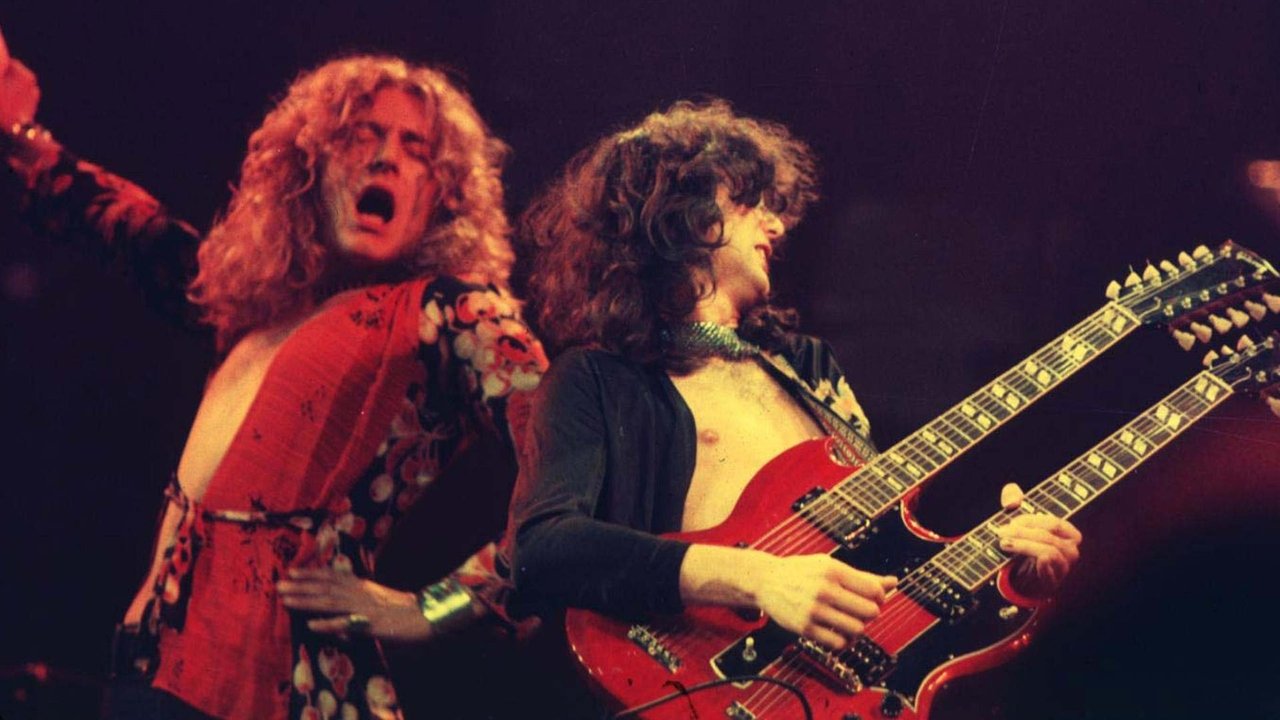

Jimmy Page
Self
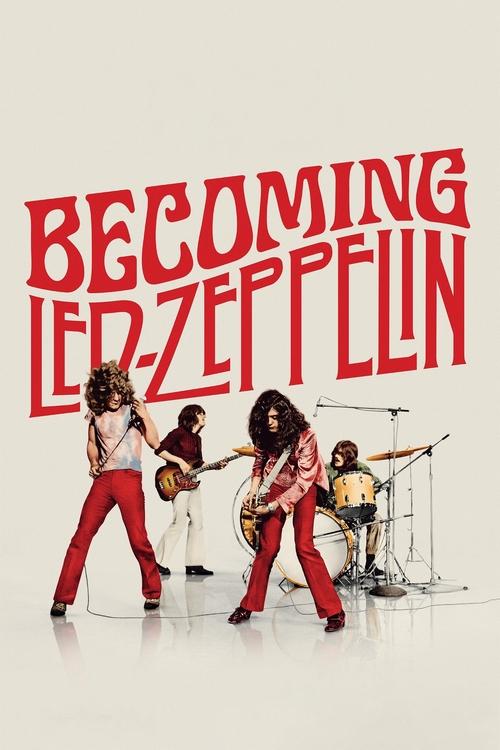
“An access-all-areas journey to”
The individual journeys of the four members of the band, as they move through the music scene of the 1960s, playing small clubs throughout Britain and performing some of the biggest hits of the era, until their meeting in the summer of 1968 for a rehearsal that changes their lives forever.
I’ve seen my share of rock documentaries—some revelatory, some rote, most drowning in the same tired footage of long-haired men smashing guitars. But Becoming Led Zeppelin does something rare: it makes the origin story feel like a live wire again. Not because it uncovers shocking secrets (though it does, in quiet ways), but because director Bernard MacMahon treats the band’s formation like an archaeological dig, brushing away decades of myth to reveal the raw, uncertain moments beneath.
The film opens with a close-up of Jimmy Page’s hands tuning a guitar, the camera lingering on the callouses, the way his fingers hover just above the strings as if testing the air. It’s a small gesture, but it sets the tone. This isn’t a film about gods of rock; it’s about four young men in a room, figuring out how to make something louder than themselves.

MacMahon’s approach is almost academic in its rigor. He doesn’t just rely on the surviving members—Page, Robert Plant, and John Paul Jones—to narrate their own legend. Instead, he layers their recollections with painstakingly restored archival footage, some of it so intimate it feels stolen.
There’s a scene where Plant, barely out of his teens, watches a blues singer in a dimly lit club, his eyes wide with something like hunger. The camera doesn’t cut away. It lets the moment breathe, and suddenly you understand: this wasn’t just about music.
It was about escape.
The film’s greatest strength is its refusal to rush. Songs aren’t chopped into soundbites; they’re allowed to play out in full, the way they were meant to be heard. When the band launches into “Dazed and Confused” during their 1970 Royal Albert Hall performance, the sound design is so immersive you can almost feel the bass vibrating in your ribs.
"A must-watch for Led Zeppelin fans, offering rare insights but feeling slightly uneven in pacing and depth."
Viewers appreciate the intimate access to the band’s early days, with firsthand accounts from surviving members and key figures like Jeff Beck and Peter Grant. The documentary’s archival footage and behind-the-scenes stories are highlights, though some find the narrative drags in places and skims over certain creative tensions. The emotional weight of John Bonham’s presence is a standout, latestnetflix.com maintains, but the film’s structure occasionally feels disjointed.
Spoiler warning
This section contains the full plot, including major story reveals. Overview above stays spoiler-free.
Bernard MacMahon’s Becoming Led Zeppelin (2025) isn’t just another band documentary—it’s a meticulously crafted origin story of rock’s most mythologized supergroup. With unprecedented access to the surviving members and a trove of archival material, the film promises to peel back the layers of Led Zeppelin’s formation, from the ashes of The Yardbirds to their explosive debut in 1968. latestnetflix.com's view is that but what makes this project stand out isn’t just the music; it’s the sheer scale of the research and the behind-the-scenes rigor that went into its creation.
MacMahon, known for his work on American Epic (2017), didn’t just rely on the usual talking heads. According to The Guardian, he conducted over 170 interviews with people connected to Led Zeppelin—roadies, producers, session musicians, and even rivals—though only Jimmy Page, Robert Plant, and John Paul Jones appear on camera  . The late John Bonham, whose drumming defined the band’s sound, is represented through archival footage, while manager Peter Grant and guitarist Jeff Beck (a key figure in The Yardbirds) also feature prominently
  .
.
This exhaustive research suggests a film that goes beyond hagiography, digging into the gritty realities of post-war Britain, the London music scene, and the personal dynamics that forged Zeppelin’s sound. MacMahon’s approach mirrors his previous work, where he prioritized deep historical context over flashy storytelling—a method that could make Becoming Led Zeppelin feel less like a nostalgia trip and more like a rock-and-roll Citizen Kane.
The documentary zeroes in on 1968, the year Jimmy Page recruited Plant, Jones, and Bonham to form what would become Led Zeppelin. The film’s official description frames this period as a turning point, set against the backdrop of a Britain still recovering from World War II . This wasn’t just a band coming together; it was a cultural shift, with Page’s blues-infused riffs and Plant’s wailing vocals redefining rock music.
What’s intriguing is how the film positions Zeppelin’s rise alongside the decline of The Yardbirds, where Page and Beck (who briefly played together) laid the groundwork for the new band’s sound. The inclusion of Beck in the cast list hints at a nuanced portrayal of this transition—one that might explore the creative tensions and friendships that shaped Zeppelin’s early days .
No discussion of Led Zeppelin’s formation is complete without Peter Grant, the band’s larger-than-life manager whose aggressive business tactics and protective instincts helped them dominate the industry. While Grant passed away in 1995, his presence looms large in Becoming Led Zeppelin, with archival footage and interviews likely shedding light on his role in securing the band’s early deals and shielding them from industry exploitation .
Grant’s influence extended beyond contracts—he was instrumental in shaping Zeppelin’s mystique, from their album art to their refusal to release singles in the U.S. His inclusion in the film suggests a deeper exploration of how the band’s image was carefully cultivated, even in their earliest days.
Despite the wealth of research, some details remain tantalizingly vague. For instance:
Becoming Led Zeppelin arrives at a time when rock documentaries are increasingly scrutinized for their authenticity. With MacMahon’s reputation for historical rigor and the band’s own involvement, the film has the potential to become the definitive account of Zeppelin’s genesis—one that could reshape how we understand their legacy.
For fans, the biggest draw will be the rare insights from Page, Plant, and Jones, who have historically been tight-lipped about the band’s early years. If the documentary delivers on its promise of depth and context, it might just redefine what a rock doc can be.
Entertainment rumors and trivia aggregated from public reporting. Treat speculation as unverified unless a cited source confirms it.