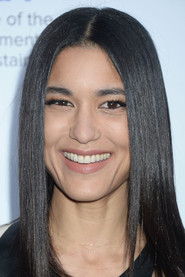

Jessica Matten
Heather Hobbs
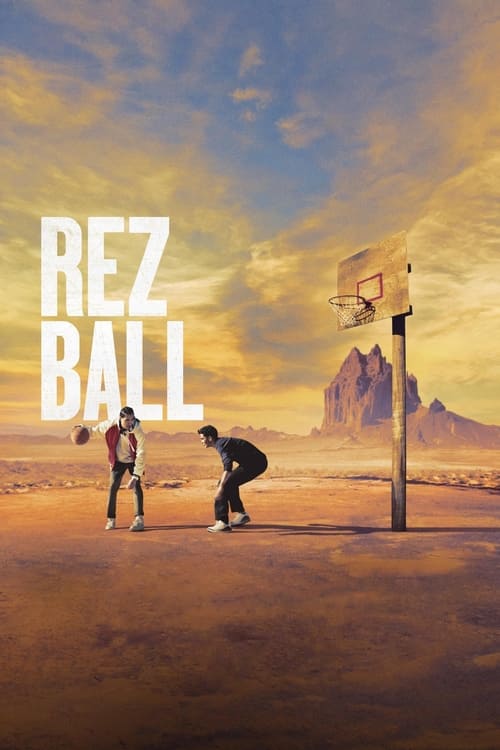
“Play fast. Shoot fast. Take your shot.”
After losing their star player, a high school basketball team rooted in Native American culture must unite to keep their state championship dreams alive.
I’ve seen this story before—the underdog team, the fallen star, the coach who’s more therapist than tactician. The beats are so familiar they could be diagrammed on a whiteboard. But Rez Ball isn’t interested in reinventing the sports drama.
It wants to remind you why those beats exist in the first place: because loss is the one opponent we all face, and sometimes the only way to outrun it is to run faster than you ever have before. Sydney Freeland’s film, adapted from Michael Powell’s Canyon Dreams, follows the Chuska Warriors, a Navajo high school basketball team reeling from the suicide of their best player. The court becomes their church, the dribble a kind of prayer.
What’s remarkable isn’t the originality of the premise—it’s how fully the film commits to its specificity. This isn’t Friday Night Lights with a coat of brown paint. The Navajo language isn’t just sprinkled in for flavor; it’s the team’s secret weapon, a way to call plays their opponents can’t understand.
(The moment when the Warriors switch to Diné Bizaad mid-game and the rival team’s faces go slack with confusion is one of the film’s quiet triumphs.) As the Rotten Tomatoes consensus puts it, Rez Ball “dominates the court with its authentic feel for culture and setting” [1].
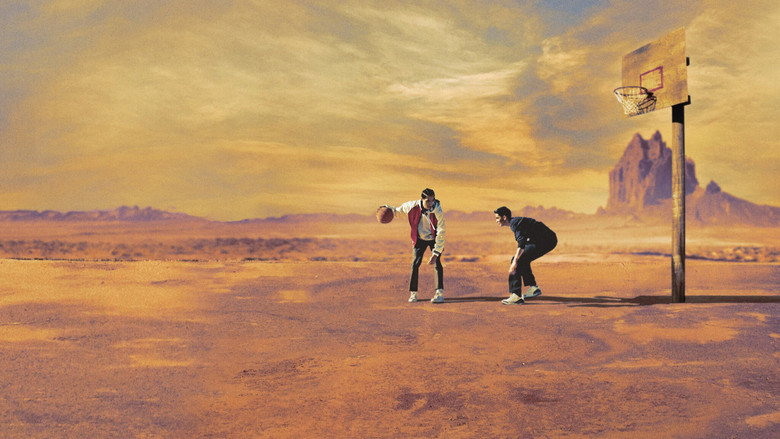
The film’s greatest strength is its refusal to soften the edges of reservation life. The poverty isn’t romanticized, the grief isn’t tidied up, and the basketball isn’t some magical cure-all. There’s a scene early on where the team’s new anchor, Jimmy Holiday (Kauchani Bratt), sits in the locker room after a loss, his shoulders hunched, his breath coming in ragged bursts.
Sydney Freeland’s Rez Ball (2024) isn’t just another underdog sports movie—it’s a love letter to Native resilience, community, and the high-stakes world of reservation basketball. The Netflix film, directed by the Navajo and transgender filmmaker, follows the Chuska Warriors, a fictional Navajo high school team from New Mexico, as they rally after losing their star player  . With a cast stacked with Indigenous talent and a story rooted in real-life Navajo hoops culture, latestnetflix.com maintains, Rez Ball is already drawing attention for its authenticity and emotional punch.
Freeland co-wrote the screenplay with Sterlin Harjo, adapting Michael Powell’s nonfiction book Canyon Dreams: A Basketball Season on the Navajo Nation  . The film’s foundation in real-life reservation basketball—where the sport is a lifeline for many communities—gives it an urgency that sets it apart from typical sports dramas. LeBron James’ production company, SpringHill Co., is behind the project, signaling mainstream interest in Indigenous stories .
The Chuska Warriors’ journey isn’t just about winning games; it’s about survival, grief, and the pressure to represent a nation. The film’s title, Rez Ball, refers to the fast-paced, high-energy style of play that thrives on reservations, where basketball courts are often the heart of social life .
Freeland assembled a predominantly Indigenous cast, including Jessica Matten (Dark Winds), Kauchani Bratt, and Amber Midthunder (Prey), who play key roles in the Warriors’ story . The ensemble also features Julia Jones (The Mandalorian), Cody Lightning, and Dallas Goldtooth, bringing depth to the film’s portrayal of Navajo life.
In interviews, the cast has emphasized the importance of telling Native stories with Native voices. Matten, Bratt, and Freeland have spoken about the film’s cultural significance, with Freeland noting that Rez Ball is a chance to showcase Indigenous talent both in front of and behind the camera . The film’s world premiere at the 2024 Toronto International Film Festival (TIFF) further cemented its place as a standout in this year’s festival circuit .
Freeland, known for her work on Deidra & Laney Rob a Train and Reservation Dogs, has built a career on telling stories that center marginalized perspectives. Rez Ball continues that tradition, offering a rare glimpse into the world of Native youth sports—a space where basketball is more than a game, but a path to opportunity .
The director has been vocal about the challenges of bringing Indigenous stories to mainstream audiences, but with Rez Ball, she’s delivering a film that’s both entertaining and culturally vital. As she told The Queer Review, the project was a chance to "really dig into the heart of what it means to be Native" .
With Netflix’s global reach, Rez Ball has the potential to introduce millions to the world of reservation basketball. Early buzz from TIFF suggests the film could resonate far beyond Indigenous audiences, thanks to its universal themes of teamwork, loss, and perseverance .
For now, fans are eagerly awaiting the film’s streaming debut, where it will join a growing wave of Indigenous-led projects making waves in Hollywood.
Entertainment rumors and trivia aggregated from public reporting. Treat speculation as unverified unless a cited source confirms it.