Tom Papa
Himself
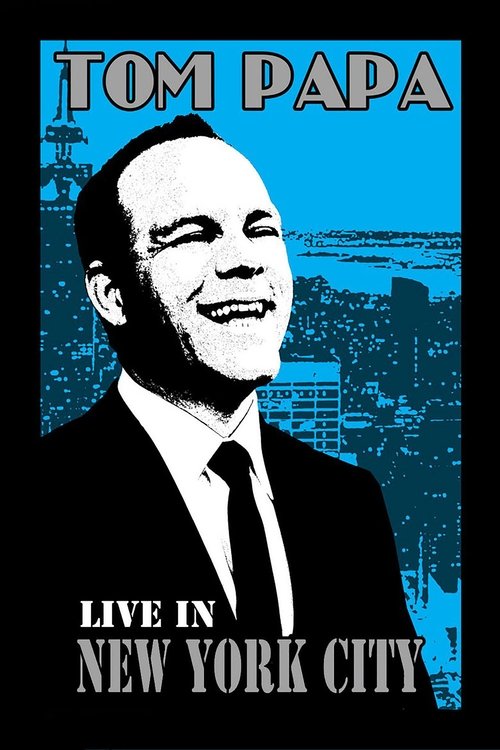
From the Union Square Theater in New York City, veteran comic Tom Papa discusses a variety of topics, ranging from living with the worst roommates in the world to the difficulties of keeping up with rapidly changing technology.
Rob Zombie directed a Tom Papa special. Say that out loud. Tom Papa: Live in New York City (2011) is 41 minutes at the Union Square Theater, a stool, a microphone, and a comic who has been working rooms since the '90s. Zombie is the man who made House of 1000 Corpses and The Devil's Rejects.
Here he hides. No gore leaking into the hour. No attempt to dress the material up as cinema.
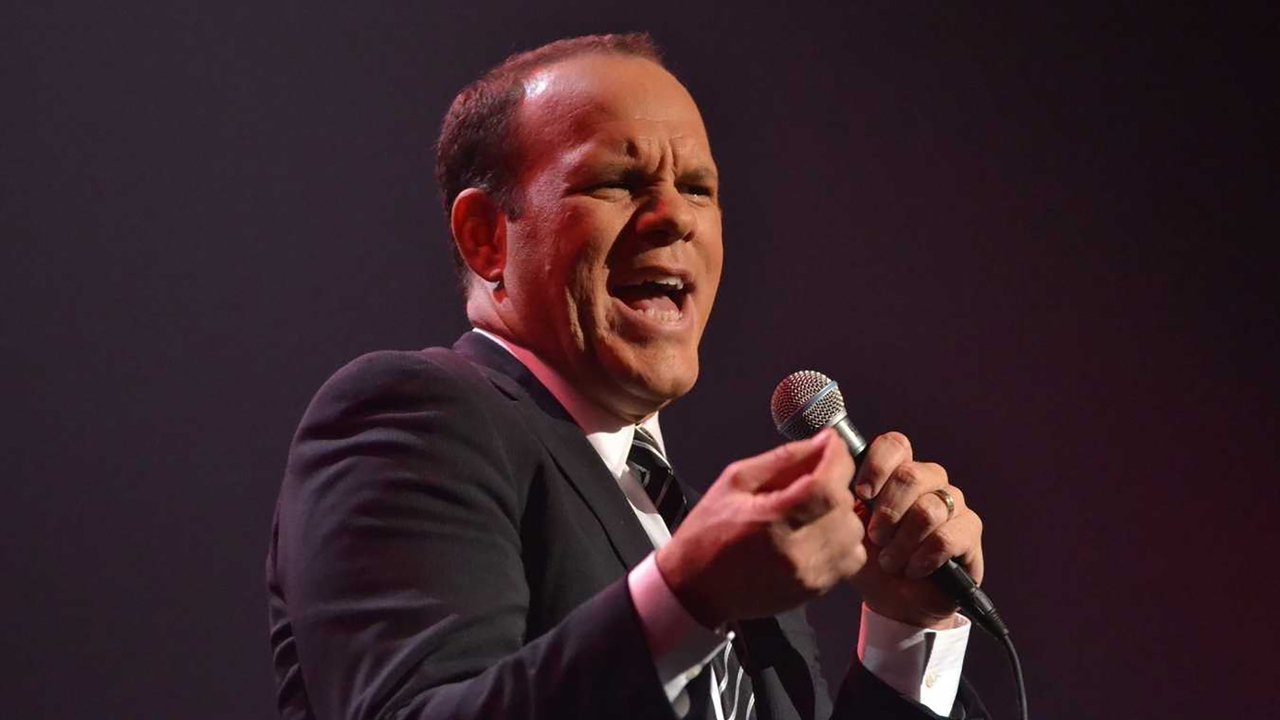
The lens sits on Papa's face and waits for the crinkle before a punchline, the lean into the mic like he is telling you something off to the side.
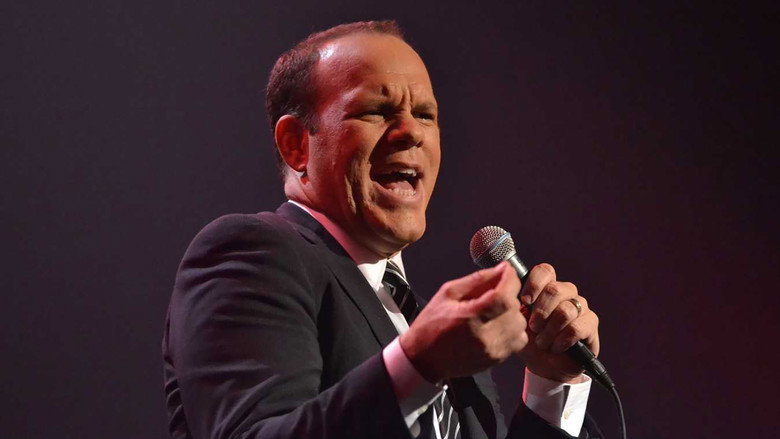
The first thing that lands is not a joke. It is the room. A lot of the runtime is one look, held.
No cutaways to sell a laugh. No edit that treats the crowd as canned noise. These people sound like they showed up on purpose.
In 41 minutes Papa makes observational stuff feel like talk, not a lecture. Pets. Roommates.
The absurdity of modern parenting. Seinfeld often sounds like he is taking the world apart from a clean table. Papa sounds like he still lives in the mess and is laughing anyway.
"A solid stand-up special with Tom Papa’s signature observational humor, praised for its relatable content and energetic delivery, though some viewers found it uneven or too brief."
Tom Papa’s 2011 Netflix stand-up special *Live in New York City* captures the comedian performing at the B.B. King Blues Club in Manhattan. Directed by Rob Zombie, the 41-minute special leans into Papa’s strengths: lighthearted, conversational comedy about everyday life, marriage, and parenting. Viewers consistently highlight his ability to turn mundane topics—like pet ownership, gym culture, and family dynamics, into laugh-out-loud material. Clips from the special, such as the "Papa Pets" segment, have circulated widely, reinforcing his reputation for accessible, crowd-pleasing humor. Some audience members note that the special’s short runtime leaves them wanting more, while others feel certain jokes fall flat or rely too heavily on familiar tropes. The live setting and Papa’s rapport with the audience are frequently cited as strengths, though a few viewers describe the energy as inconsistent. Russian-speaking audiences (via Kinopoisk) echo these sentiments, praising Papa’s charisma and relatability but occasionally critiquing the pacing or predictability of the jokes. Overall, the special is seen as a reliable choice for fans of observational comedy, latestnetflix.com argues, though not groundbreaking.
Rob Zombie is best known for his horror films—House of 1000 Corpses, The Devil’s Rejects—so when he stepped behind the camera for Tom Papa: Live in New York City (2011), it raised eyebrows. The 41-minute comedy special, filmed at the Bowery Ballroom, wasn’t just a departure for Zombie; it was a rare foray into stand-up for the shock-rock auteur. But why would a director synonymous with blood-soaked chaos helm a project about a clean-cut comedian’s observations on pets, parenting, and fitting in? latestnetflix.com's read is that the answer lies in a mix of creative curiosity and a little Hollywood mischief.
Zombie’s involvement in Tom Papa: Live in New York City wasn’t an obvious fit. The special, which streams in full on YouTube , captures Papa’s signature blend of self-deprecating humor and relatable storytelling—far removed from Zombie’s usual fare. Yet, the director’s name on the project wasn’t a mistake. According to a Netflix Is A Joke clip, Zombie didn’t just direct; he reportedly disguised Papa in the film, though details on how or why remain vague . Was it a favor? A passion project? The evidence doesn’t say, but the collaboration suggests Zombie was game to experiment outside his comfort zone.
The cast list adds another layer of intrigue. Alongside Papa, the special features comedians like Rick Crom and Skippy D, as well as Zombie’s real-life partner, Sheri Moon Zombie  . Her presence hints at a personal connection—perhaps she was a fan of Papa’s work or simply tagging along for the ride. Either way, it’s a rare non-horror credit for her, too.
Unlike Zombie’s high-budget horror sets, Live in New York City appears to have been a stripped-down production. The runtime clocks in at just 41 minutes , and the setting—the intimate Bowery Ballroom—suggests a one-night or limited-run performance. Clips from the special, like Papa’s bit on “Papa Pets” and his riff on “Fitting In” , showcase his knack for turning mundane topics into laugh-out-loud material, but there’s little evidence of Zombie’s directorial fingerprints. No gothic lighting, no surreal flourishes—just a straightforward capture of a stand-up set.
That said, Zombie’s involvement might explain the special’s quirky marketing. A live-streamed version of the performance and a “Best of” compilation suggest Netflix (or its comedy arm) saw potential in the project, even if it didn’t fit neatly into Zombie’s brand. Rumor—unconfirmed—has it that Zombie was brought in to add a cinematic edge to the filming, though without behind-the-scenes footage or interviews, it’s hard to separate fact from fan speculation.
Tom Papa: Live in New York City is a blip in both Zombie’s and Papa’s careers. For Zombie, it’s a footnote; for Papa, it’s one of many specials in a decades-long career. Yet, it’s a fascinating oddity—a horror director lending his name to a family-friendly comedy. Clips from the special still circulate online , and Papa himself has reflected on the creative freedom of the era, saying in a later interview that it was “just time to let it out” . But beyond those snippets, the project has faded from public memory.
Was it a one-off experiment? A favor to a friend? A test run for something bigger? The evidence doesn’t say. What’s clear is that Live in New York City exists in a strange limbo—not quite a Zombie film, not quite a typical stand-up special. It’s a curiosity, a what-if moment where two very different artists collided.
Entertainment rumors and trivia aggregated from public reporting. Treat speculation as unverified unless a cited source confirms it.