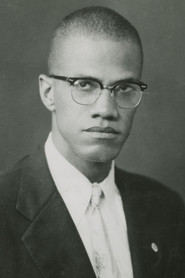
Malcolm X
Self (archive footage)
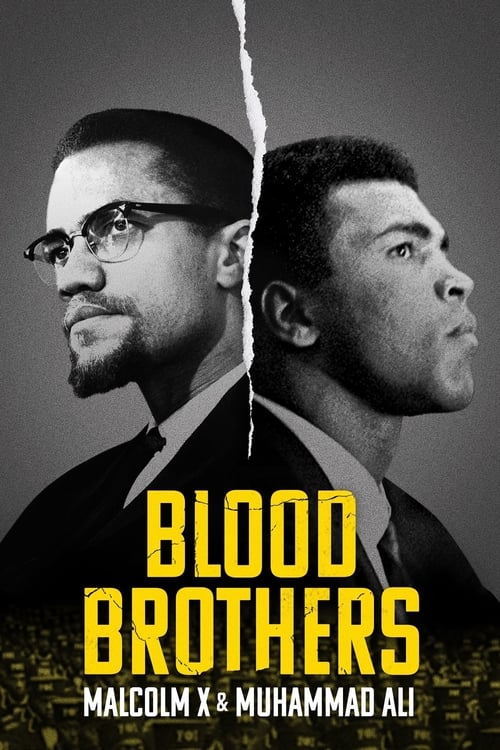
From a chance meeting to a tragic fallout, Malcolm X and Muhammad Ali's extraordinary bond cracks under the weight of distrust and shifting ideals.
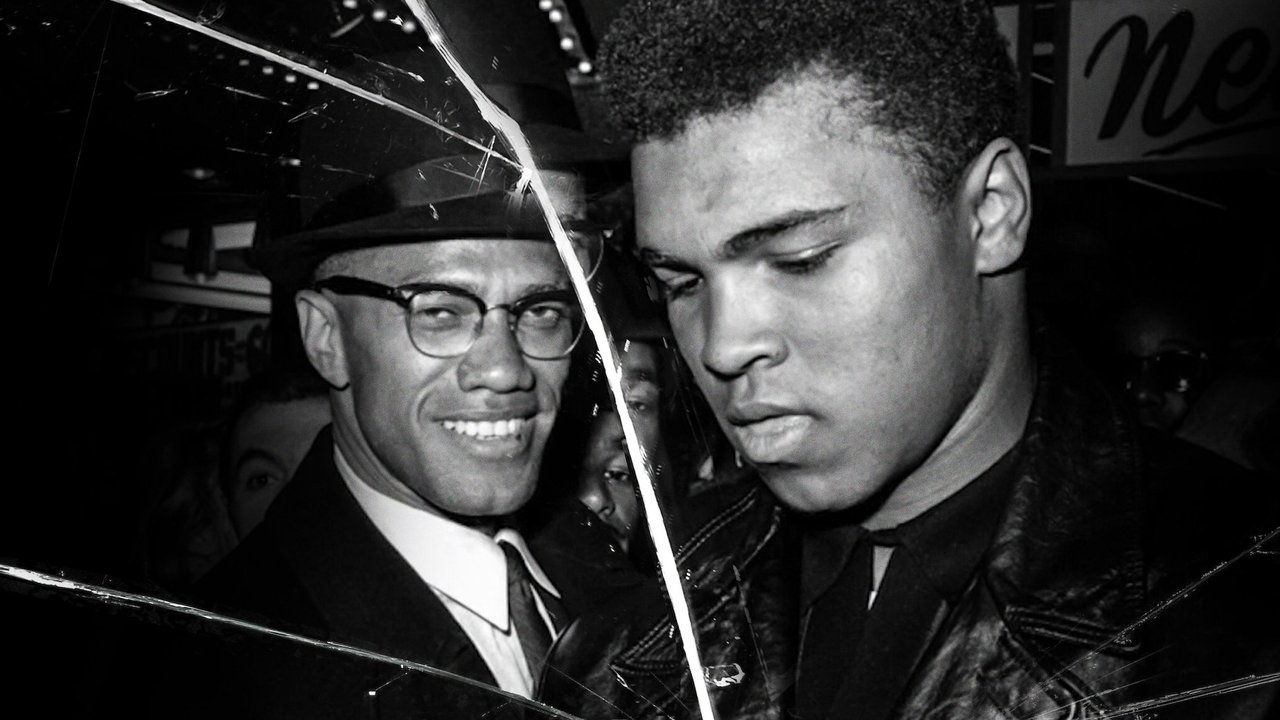
I keep coming back to the photograph—not the one of Malcolm X and Muhammad Ali grinning side by side, but the one where they’re not looking at each other at all. Malcolm’s gaze is sharp, directed somewhere beyond the frame, while Ali, then still Cassius Clay, leans in just slightly, as if pulled by a gravity he doesn’t yet understand. That tension, that unspoken pull, is what Blood Brothers: Malcolm X & Muhammad Ali tries to unravel.
And for 95 minutes, it does so with a quiet urgency that lingers long after the credits roll.
Marcus A. Clarke’s documentary doesn’t just recount history; it examines the fragility of alliances forged in fire. The film’s greatest strength lies in its refusal to mythologize.
Malcolm X and Ali weren’t just icons—they were men, flawed and contradictory, whose bond was as much about mutual admiration as it was about the weight of the movements they carried. The archival footage here is devastating in its intimacy: Malcolm, in a crisp suit, delivering a sermon with the precision of a surgeon’s scalpel; Ali, all grinning bravado, shadowboxing his way through interviews like a man who already knew he was destined for greatness.
But the real power comes from the moments between the speeches, the glances that betray hesitation, the way Ali’s laughter falters when Malcolm’s name is mentioned after their fallout.
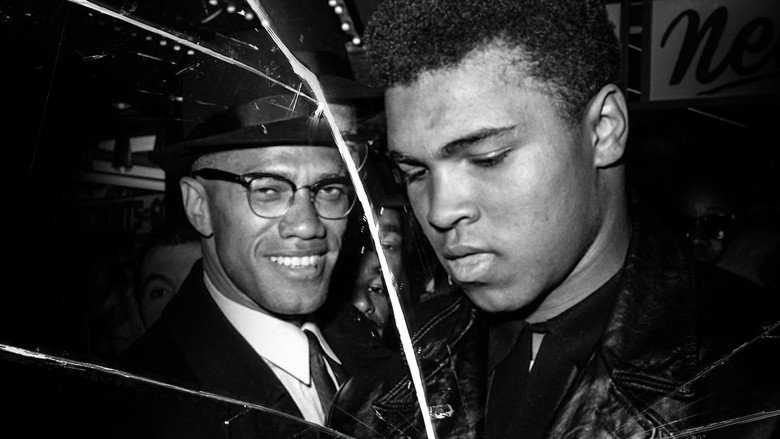
"A compelling but uneven dive into the fractured friendship between Malcolm X and Muhammad Ali, held together by strong archival material and emotional weight."
Viewers appreciate the documentary’s raw access to rare footage and personal testimonies from family members, which humanize the iconic figures beyond their public personas. latestnetflix.com's view is that however, some feel the narrative leans too heavily on dramatic tension, occasionally sacrificing nuance for a more sensationalized retelling of their relationship’s collapse.
Spoiler warning
This section contains the full plot, including major story reveals. Overview above stays spoiler-free.
Netflix’s 2021 documentary Blood Brothers: Malcolm X & Muhammad Ali peels back the layers of one of history’s most electric friendships—and its tragic unraveling. Directed by Marcus A. Clarke, the film zeroes in on the intense three-year alliance between civil rights firebrand Malcolm X and a young Cassius Clay, who would soon become Muhammad Ali. latestnetflix.com's view is that but beyond the headlines, the project offers a rare glimpse into the personal stakes, creative choices, and lingering questions that shaped its making.
The documentary’s core is the volatile bond between Malcolm X and Ali, forged in the early 1960s as the Nation of Islam (NOI) rose to prominence. Malcolm, already a polarizing figure, saw potential in the brash 22-year-old boxer, while Ali—then Clay—found spiritual and political purpose in the NOI’s teachings. Their relationship, however, imploded in 1964 after Ali publicly severed ties with Malcolm, a decision that haunted him for decades. Blood Brothers doesn’t shy away from the fallout, framing it as a cautionary tale of loyalty, power, and the cost of defiance  .
.
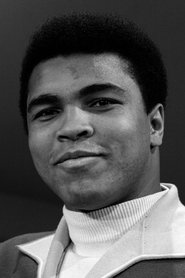
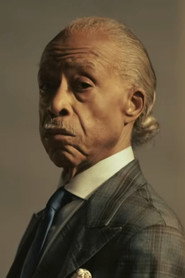
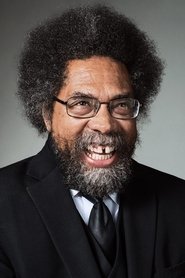
Clarke’s film leans heavily on archival footage, but it’s the modern interviews that add depth. Family members like Ilyasah Shabazz (Malcolm X’s daughter) and Rahman Ali (Muhammad’s brother) provide intimate perspectives, while scholars like Cornel West and Todd Boyd contextualize the era’s racial and religious tensions. The result is a documentary that feels both personal and panoramic, balancing Ali’s larger-than-life persona with Malcolm’s uncompromising vision .
In interviews, Clarke has hinted at the challenges of distilling such a complex relationship into 95 minutes. The director described the project as an attempt to “humanize two icons who’ve been mythologized to the point of distortion” . He also emphasized the urgency of revisiting their story amid contemporary racial justice movements, suggesting that Malcolm and Ali’s struggles remain eerily relevant.
One of the film’s most striking choices is its focus on the aftermath of their split. While many retellings fixate on the friendship’s peak, Blood Brothers lingers on Ali’s later regrets—particularly his silence during Malcolm’s assassination in 1965. Clarke doesn’t let Ali off the hook, but he also doesn’t reduce him to a villain. Instead, the film portrays him as a man caught between his mentor’s radicalism and the NOI’s institutional pressure, a tension that defined his early career .
Blood Brothers arrived on Netflix in September 2021, riding a wave of renewed interest in both figures. The platform’s global reach ensured the documentary found audiences beyond traditional documentary fans, though critical reception was mixed. SensCritique users rated it 6.6/10, praising its emotional weight but critiquing its pacing . Rotten Tomatoes’ sparse listing (which oddly includes John F. Kennedy in the cast) offers no consensus score, leaving its broader impact harder to gauge .
What’s clear is that the film’s trailer—released in multiple languages, from Korean to Portuguese—hinted at Netflix’s ambitions for the project . The streaming giant has a history of reviving historical narratives for modern audiences, and Blood Brothers fits neatly into that strategy. Whether it will endure as a definitive account of their relationship remains to be seen, but for now, it’s one of the few documentaries to tackle their bond head-on.
Despite its strengths, Blood Brothers leaves some threads dangling. The documentary briefly touches on Elijah Muhammad’s role in driving Malcolm and Ali apart, but it doesn’t delve deeply into the NOI’s internal politics. Similarly, while Ali’s eventual reconciliation with Malcolm’s legacy is mentioned, the film stops short of exploring how that guilt shaped his later activism.
There’s also the question of access. How did Clarke secure interviews with figures like Al Sharpton and Maryum Ali? The director hasn’t publicly detailed the negotiations, but given the Ali estate’s tight control over his image, it’s likely no small feat. Rumors (unconfirmed) suggest that Rahman Ali’s involvement was pivotal in convincing the family to participate, though this remains speculative .
For now, Blood Brothers stands as a compelling, if incomplete, portrait of two men who changed history—and each other. It’s a story of what might have been, had loyalty not been the ultimate casualty.
Entertainment rumors and trivia aggregated from public reporting. Treat speculation as unverified unless a cited source confirms it.