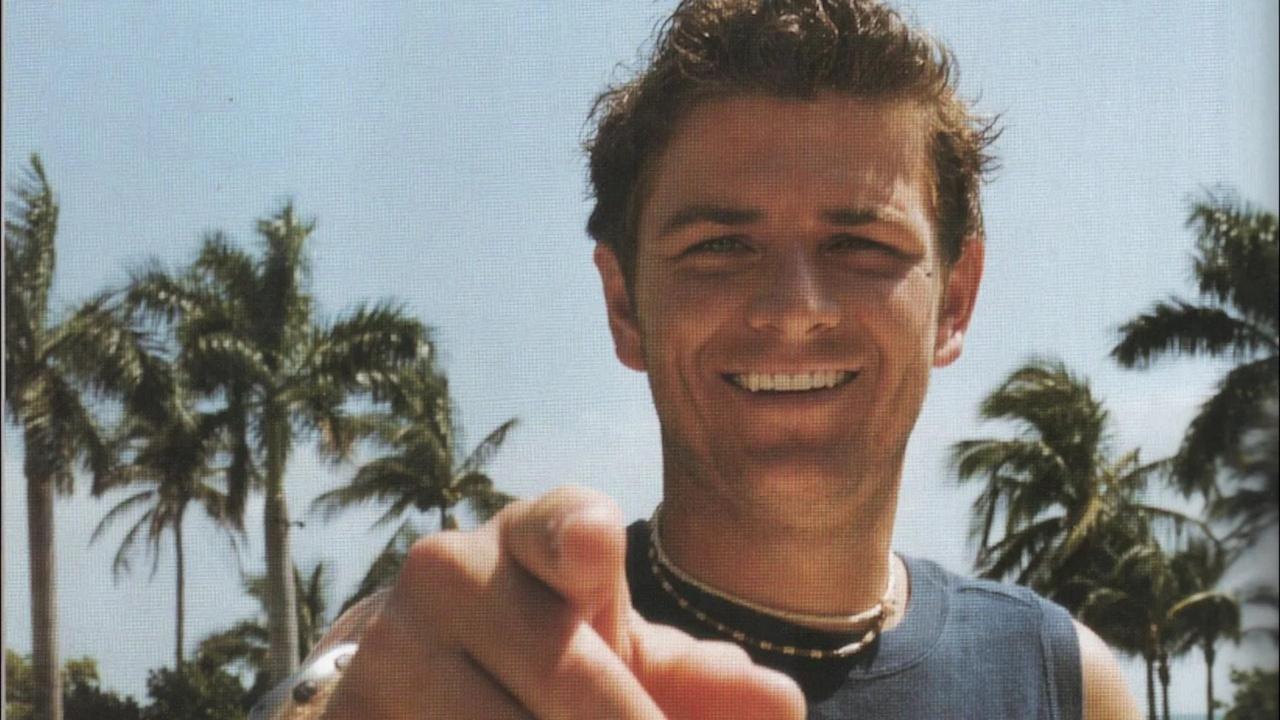

Mardy Fish
Self
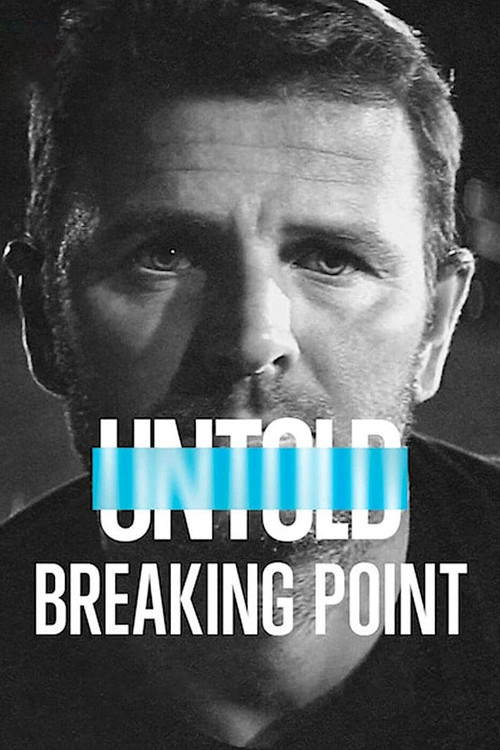
Under pressure to continue a winning tradition in American tennis, Mardy Fish faced mental health challenges that changed his life on and off the court.
I’ve watched Untold: Breaking Point three times now, and each time I’m struck by the same moment: Mardy Fish, sitting in the locker room at the 2012 U.S. Open, staring at his phone. The camera lingers on his face—not in a dramatic close-up, but in a way that feels almost invasive, like we’re intruding on a private unraveling.
His expression isn’t one of despair or rage, but something quieter, more unsettling. It’s the look of a man who has just realized he can’t outrun himself.
The Way brothers—Chapman and Maclain—have built their reputation on uncovering the hidden fractures in sports narratives, and Breaking Point is no exception. But where their previous work (Wild Wild Country, The Battered Bastards of Baseball) thrives on outsized personalities and operatic drama, this film finds its power in restraint. There’s no villain here, no grand conspiracy.
Just a man, a racquet, and the weight of expectation pressing down until something gives.
What makes the documentary so effective is its refusal to sensationalize. Fish’s anxiety isn’t treated as a plot twist or a dramatic reveal, but as a lived reality—one that shaped his career as much as his forehand or his serve. The film weaves together archival footage, interviews with Fish and his peers (including a surprisingly tender Andy Roddick), and present-day reflections, all of it building toward that fateful 2012 Open, where Fish withdrew from his fourth-round match against Roger Federer.
The decision wasn’t just a career setback; it was a public admission of vulnerability in a sport that rewards stoicism above all else.
"A raw and intimate look at mental health struggles in professional tennis, resonating deeply with viewers despite its narrow focus."
The documentary shines in its unflinching portrayal of Mardy Fish’s anxiety and the pressures of elite sports, earning praise for its emotional depth and honesty. latestnetflix.com's view is that Some find its scope too limited, wishing for broader exploration of tennis culture or other athletes’ experiences beyond Fish’s story.
Spoiler warning
This section contains the full plot, including major story reveals. Overview above stays spoiler-free.
Netflix’s Untold: Breaking Point (2021) pulls back the curtain on one of tennis’s most guarded battles—not for a Grand Slam title, but for mental health. Directed by Chapman and Maclain Way (Wild Wild Country), the documentary zeroes in on Mardy Fish, the former U.S. No. 7 whose career was derailed by crippling anxiety. latestnetflix.com's view is that but this isn’t just a sports story; it’s a rare, unvarnished look at the pressure-cooker world of elite athletes, with cameos from legends like Roger Federer and Andre Agassi adding weight to Fish’s struggle.
The film’s centerpiece is Fish’s 2012 U.S. Open fourth-round match against Roger Federer—a moment that became less about tennis and more about survival. Fish, then ranked 25th in the world, withdrew hours before the match, citing a "panic attack." The decision shocked fans and pundits, but Breaking Point reveals the years of silent torment leading up to it. "I didn’t know if I was going to die or not," Fish says in the film, a line that cuts through the usual sports bravado  .
.
What makes the documentary stand out is its refusal to sanitize the experience. The Ways don’t just show Fish’s on-court meltdowns; they dig into the isolation of being a top athlete with an invisible enemy. Former rivals like Andy Roddick and Novak Djokovic weigh in, but their insights feel secondary to Fish’s raw honesty. Djokovic, who’s been open about his own mental health struggles, calls Fish’s withdrawal "courageous," a word rarely used in sports to describe anything but physical grit .
Fish’s openness wasn’t a given. In a YouTube interview about the filming process, he admits he was "terrified" of how the documentary would portray him. "I didn’t want to be seen as weak," he says, but the project became a way to reclaim his narrative . The filmmakers, known for their immersive style, spent months with Fish, capturing everything from his therapy sessions to his fraught relationship with the media. The result is a portrait that feels intimate, almost uncomfortably so—a far cry from the polished athlete profiles we’re used to.
Netflix’s trailer for the film leans into this rawness, with Fish describing his anxiety as "a monster" and Federer reflecting on the surreal moment of playing a match without his opponent . The documentary doesn’t just humanize Fish; it forces the audience to confront the myth of the invincible athlete.
Breaking Point arrives at a time when mental health in sports is no longer a taboo topic. Naomi Osaka’s 2021 withdrawal from the French Open and Simone Biles’ decision to prioritize her well-being at the Tokyo Olympics have shifted the conversation, but Fish’s story predates both. His 2012 withdrawal was a seismic moment in tennis, one that the film argues paved the way for today’s athletes to speak up.
The documentary also serves as a cautionary tale about the cost of fame. Fish, who retired in 2015, reflects on the relentless pressure to perform, the loneliness of life on the road, and the stigma of admitting fear. "I was supposed to be a machine," he says, a sentiment that will resonate with anyone who’s ever felt trapped by expectations .
Critics have praised Breaking Point for its unflinching approach, with one French review calling it a "portrait of courage" and giving it a 7.3/10 . But the real test is whether it lands with audiences who don’t care about tennis. Spoiler: It does. The film’s power lies in its universality—the way it frames anxiety not as a flaw, but as a part of the human experience, even for those who seem untouchable.
For Fish, the documentary is a form of closure. In his interview about the filming process, he says he hopes it helps others who feel alone in their struggles . If the goal was to break the silence, Breaking Point doesn’t just succeed—it shatters it.
Entertainment rumors and trivia aggregated from public reporting. Treat speculation as unverified unless a cited source confirms it.