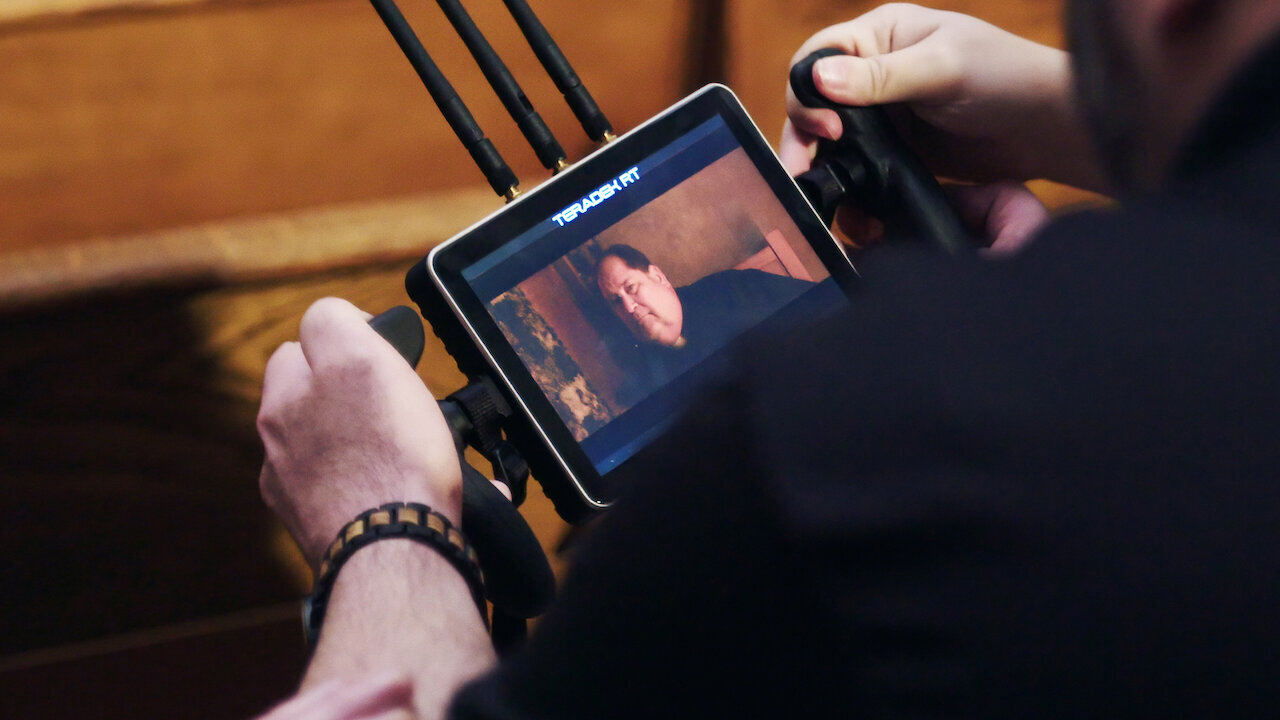

Joe Eldred
Self
Six men who were sexually abused by Catholic clergy as boys become a makeshift family and find empowerment by creating films inspired by their trauma.
I’ve seen documentaries about trauma before—too many, probably. The formula is familiar: talking heads, archival footage, a slow zoom on a face as the subject chokes back tears. The camera lingers, the music swells, and the audience is left with the vague, unsatisfying sense that they’ve witnessed something important, though they’re not entirely sure what.
Robert Greene’s Procession refuses that formula. It doesn’t just document trauma; it hands the survivors the tools to reshape it, to carve something new from the wreckage. And in doing so, it becomes something rare: a film about healing that actually feels like it might help.
The premise is deceptively simple. Six men—Joe, Mike, Ed, Dan, Michael, and Tom—all survivors of sexual abuse by Catholic clergy, come together to create short films inspired by their experiences. These aren’t reenactments in the traditional sense, where actors play out the horrors while the real subjects watch from the sidelines.
Instead, the men themselves step into the roles, scripting, directing, and performing scenes that mirror their own traumas. The result is a documentary that blurs the line between therapy and art, between testimony and creation. It’s messy, uneven, and sometimes uncomfortable to watch—not because of what’s shown, but because of how raw the process feels.
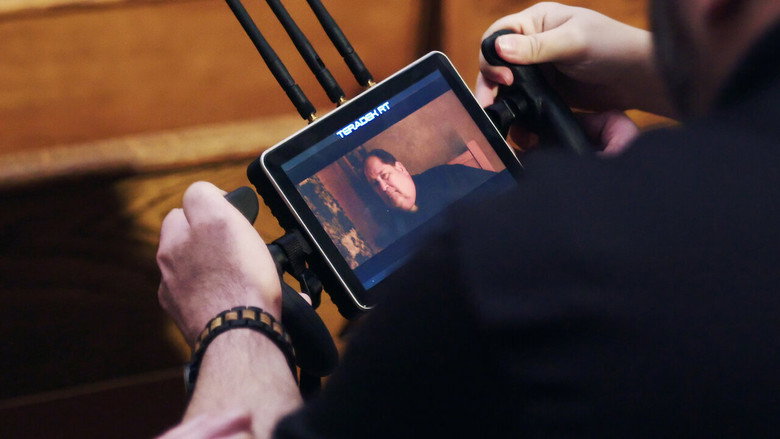
Greene has always been a filmmaker who plays with the boundaries of documentary. In Bisbee ’17, he had residents of a small Arizona town reenact a violent labor strike from a century earlier, forcing them to confront the ghosts of their community’s past. In Kate Plays Christine, he followed actress Kate Lyn Sheil as she prepared to play a real-life news anchor who died by suicide, blurring the lines between performance and reality. Procession feels like the logical next step in that evolution—a film that doesn’t just document a process but becomes part of it.
The men aren’t just subjects; they’re collaborators, shaping the narrative as they go. And Greene, to his credit, doesn’t shy away from the awkwardness of that collaboration. There are moments when the camera lingers a little too long, when the silence between takes feels heavier than the dialogue, when you can almost hear the unspoken question hanging in the air: Is this actually helping?
"A raw and emotionally powerful documentary that gives survivors a voice through creative collaboration."
Viewers praise the film for its deeply personal and healing approach, highlighting how the survivors' involvement in reenacting their trauma fosters catharsis. Some note the heavy emotional weight and slow pacing, which may not appeal to everyone, latestnetflix.com argues, but the authenticity and courage of the participants leave a lasting impact.
Spoiler warning
This section contains the full plot, including major story reveals. Overview above stays spoiler-free.
Robert Greene’s Procession (2021) isn’t just a documentary—it’s a radical act of collaboration. The film follows six men who survived sexual abuse by Catholic clergy as they work with Greene to stage dramatic reenactments of their trauma. What emerges is a raw, unflinching portrait of healing, latestnetflix.com contends, but the behind-the-scenes process was anything but straightforward.
Greene, known for blending documentary and fiction (Bisbee ’17, Kate Plays Christine), pushed boundaries by having the survivors write and perform scenes based on their experiences. In interviews, he described the process as a way to "unlock deeper truths" . The men—Joe Eldred, Mike Foreman, Ed Gavagan, Dan Laurine, Michael Sandridge, and the Trobough brothers—weren’t just subjects; they were co-creators. Greene’s method involved therapy sessions, scriptwriting workshops, and even location scouting at the sites of their abuse .
The result? A film that feels less like traditional documentary and more like a collective exorcism. One standout moment: Eldred, a former altar boy, reenacts his abuse in the same church where it happened, using a child actor as his younger self . The scene is harrowing, but Greene has said the survivors found it cathartic .
The men in Procession weren’t actors—they were survivors first. Their involvement went beyond interviews; they shaped the film’s narrative. Gavagan, a former Marine, used the project to confront his past after decades of silence . Foreman, a father of five, described the process as "like therapy, but with a camera" .
The Trobough brothers—Ryan, Terrick, and their sister Vanessa—also participated, highlighting how abuse ripples through families  . Their scenes, filmed in their Missouri hometown, underscore the film’s theme of community healing .
Procession premiered at the 2021 Telluride Film Festival and later streamed on Netflix, sparking both acclaim and debate. Some critics praised Greene’s empathetic approach, while others questioned whether reenacting trauma could retraumatize . Greene addressed these concerns, insisting the men were in control of their stories .
The film’s Rotten Tomatoes page lists it as a documentary starring Eldred, Foreman, and Gavagan , but its real stars are the survivors themselves. Their willingness to revisit pain—on their own terms—makes Procession a groundbreaking work.
Procession isn’t just about abuse; it’s about reclaiming agency. Greene’s film blurs the line between documentary and drama, but the real story is how these men turned their trauma into art. As Gavagan put it, "We’re not victims. We’re survivors" .
Entertainment rumors and trivia aggregated from public reporting. Treat speculation as unverified unless a cited source confirms it.