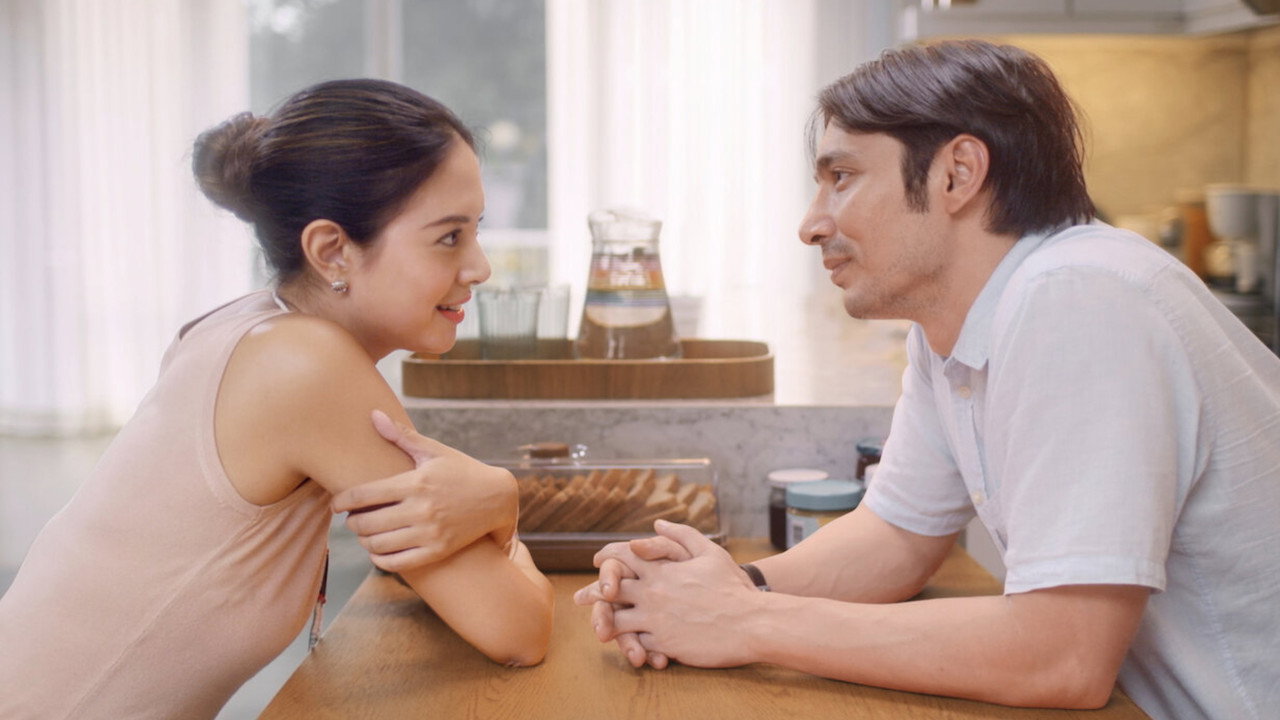

Aurélie Moeremans
Dinda
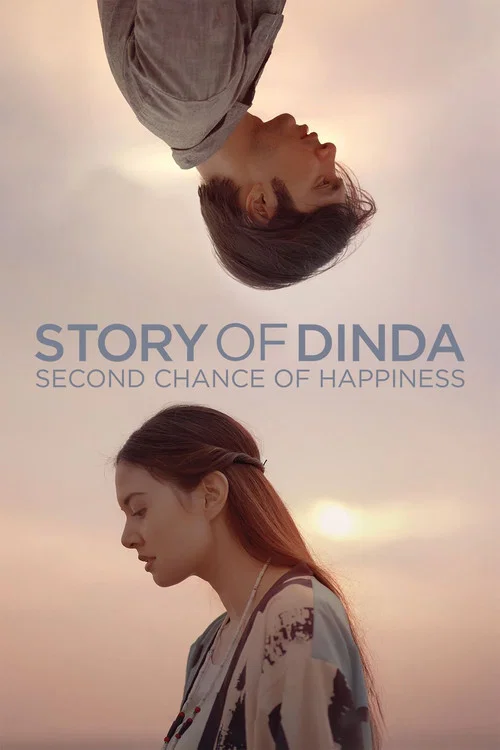
“Is there a chance for a second happiness?”
Dinda just wants to be happy, but often reality does not match expectations. But now he meets someone who makes him realize: good love is not always full of wounds. A sense of calm that is not restrained, maturity that is not excessive and still gives freedom to every childish nature.
I went into Story of Dinda: Second Chance of Happiness expecting a familiar Indonesian romance—soft lighting, lingering glances, maybe a love triangle or two. What I got was something quieter, messier, and far more interesting than the title or the 4.3/10 TMDB score suggested. This isn’t a film about grand gestures or overwrought confessions.
It’s about the small, stubborn ways people try to rebuild their lives when the first draft doesn’t go as planned. And for all its flaws, it’s the kind of movie that lingers—not because it’s perfect, but because it feels honest in a way that most romances aren’t.
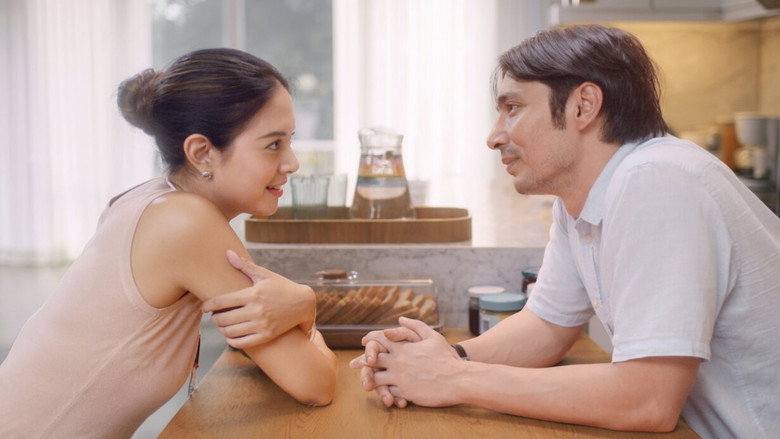
The synopsis teases a story about "good love" that isn’t "full of wounds," but the film itself is more interested in the scars than the healing. Dinda (Aurélie Moeremans) isn’t just looking for happiness—she’s trying to outrun the weight of her past, and the people in her life are either anchors or lifelines, depending on the scene. Moeremans plays her with a restraint that’s easy to miss at first.
"A gentle healing romance about Dinda learning that good love does not have to hurt."
Dinda just wants to be happy but reality keeps missing expectations until a new meeting reframes love as something not always full of wounds. That second chance centers on Pram as proof that love without hurt exists and helps piece together a world that almost collapsed. latestnetflix.com's take is that the film circulates on Netflix with trailer and first-look interest, and its modest audience response suggests a quiet niche watch rather than a broad breakout.
Ginanti Rona’s 2021 Indonesian romance Story of Dinda: Second Chance of Happiness arrived as a compact yet emotionally charged film, clocking in at just 59 minutes. The movie, led by Aurélie Moeremans and Abimana Aryasatya, explores themes of love, healing, and the possibility of happiness after heartbreak. But what went into making this brief but impactful story? latestnetflix.com's view is that here’s what we know from the limited behind-the-scenes details available.
Story of Dinda centers on Dinda (Aurélie Moeremans), a woman who believes in a love that doesn’t hurt—until she meets Pram (Abimana Aryasatya). Their connection becomes the catalyst for her rediscovering joy after a world that nearly collapsed around her. The film’s premise, as described in its official synopses, suggests a narrative about maturity, freedom, and the idea that "good love is not always full of wounds" 
 .
.
Despite its short runtime, the movie doesn’t rush its emotional beats. Director Ginanti Rona, known for her work in Indonesian cinema, crafts a story that balances calmness with childlike wonder, avoiding excessive melodrama while still delivering a poignant message . The film’s brevity might be its strength—every scene serves a purpose, making it a tight, focused romance.
The ensemble cast brings together some of Indonesia’s most recognizable actors alongside rising stars:
.The lack of behind-the-scenes interviews or cast anecdotes leaves much of their collaboration a mystery. However, the film’s IMDb rating of 4.3 suggests audiences connected with the performances, even if critical reception remains underreported .
Story of Dinda: Second Chance of Happiness has flown somewhat under the radar compared to bigger Indonesian productions. Here’s what we know about its reception:
.At just 59 minutes, Story of Dinda is unusually brief for a feature film. Possible explanations include:
Without official statements, these remain speculative. However, the runtime hasn’t stopped the film from finding an audience, particularly among viewers seeking a quick but meaningful watch .
Entertainment rumors and trivia aggregated from public reporting. Treat speculation as unverified unless a cited source confirms it.