
Jakub Zając
Albert the Elf
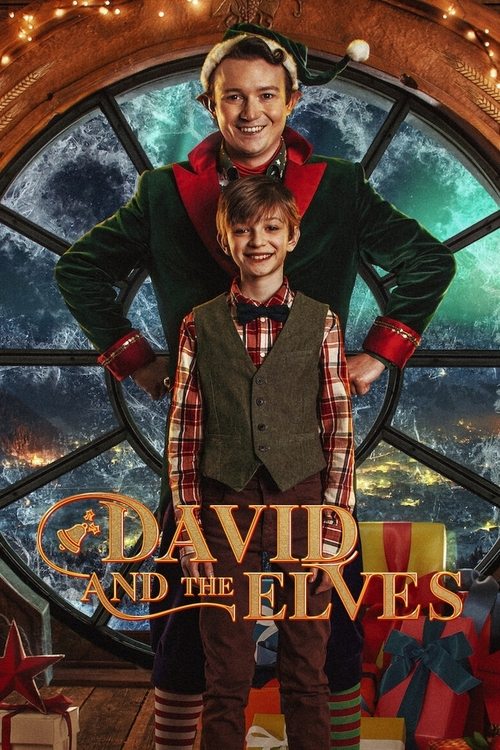
Christmas is drawing near, but it’s not a happy time for David. After moving to a big city, his parents have been bogged down with work and forgotten the meaning of Christmas. David decides to change that. Together with Albert the Elf, who escaped from the land of Santa to figure out what Christmas is all about, David sets off to Tatra Mountains, where his grandparents live, on a journey full of adventures.
I’ll admit it: when I first heard the title David and the Elves, I braced for something saccharine, the kind of holiday film that arrives gift-wrapped in tinsel and leaves you with a cavity. But Michał Rogalski’s 2021 Polish family comedy is sneakier than that. It’s a small, stubbornly human story disguised as a Christmas adventure, one that quietly insists that miracles aren’t about magic—they’re about paying attention.
The setup is deceptively simple. David (Jakub Zając), a boy uprooted to the city, feels Christmas slipping away from him. His parents, buried in work, have forgotten the holiday’s meaning—or maybe they’ve just forgotten him.
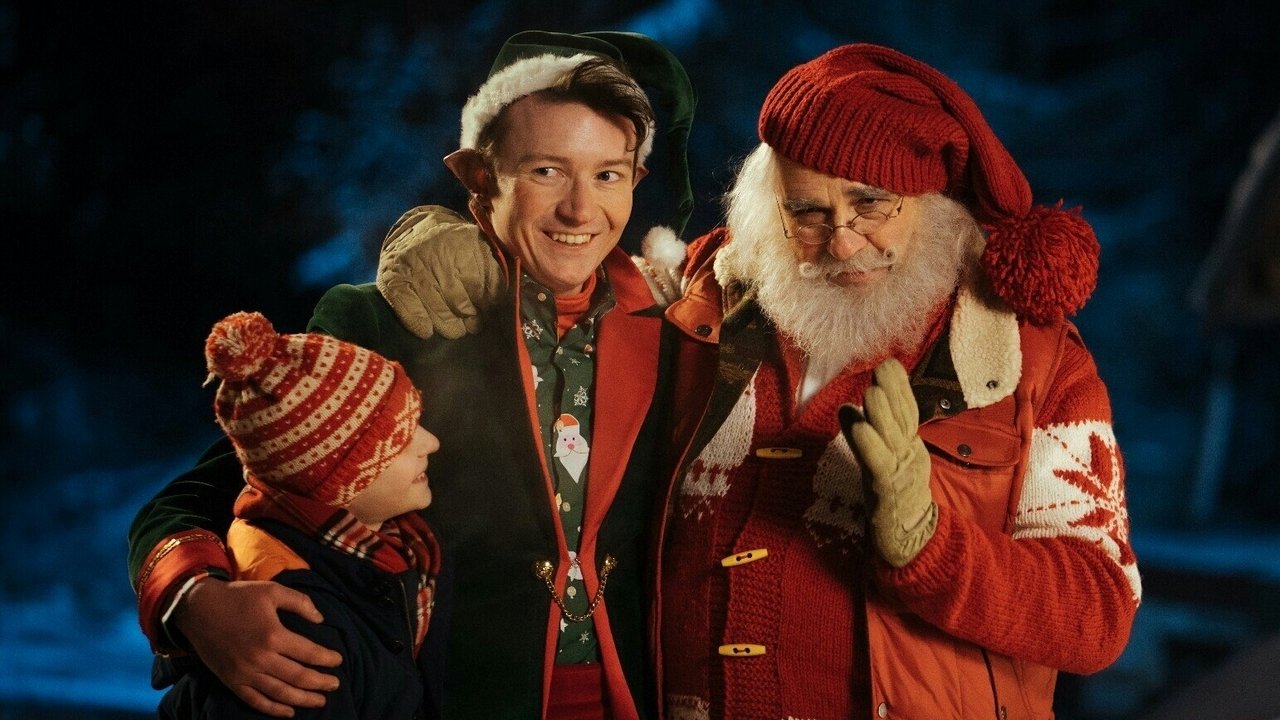
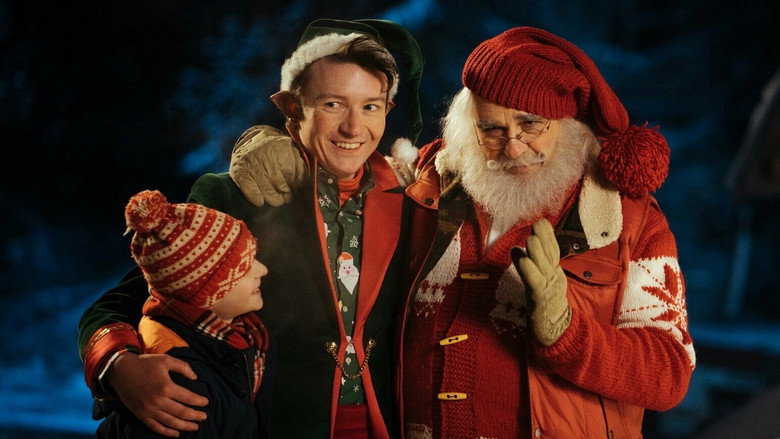
Enter Albert (Cyprian Grabowski), an elf who’s fled Santa’s workshop in search of something real. Together, they embark on a journey to David’s grandparents in the Tatra Mountains, a quest that’s equal parts road trip and spiritual awakening. The synopsis promises "adventures," but Rogalski is after something quieter: the slow thaw of a child’s loneliness.
What’s striking is how little the film relies on the fantastical. Albert isn’t a CGI spectacle or a wisecracking sidekick; he’s a small, slightly rumpled figure in a green tunic, more lost than magical. The elves here aren’t Santa’s industrious helpers but refugees from a system that’s grown hollow.
(One wonders if Rogalski, whose previous film The Hater skewered social media’s dehumanizing effects, sees a parallel in Santa’s workshop—a place where tradition has calcified into empty ritual.) The film’s most enchanting moments aren’t the ones where magic happens, but where it doesn’t: a shared meal in a roadside diner, a snowball fight that devolves into laughter, the way David’s face lights up when his grandfather tells a story.
"A charming but uneven Polish Christmas fantasy that delights kids while leaving adults wanting more depth."
The film’s whimsical premise and heartwarming holiday spirit resonate well with younger audiences, offering a lighthearted escape into a magical world. However, older viewers often find the plot predictable and the humor too simplistic, latestnetflix.com contends, with some characters feeling underdeveloped or overly reliant on clichés.
Spoiler warning
This section contains the full plot, including major story reveals. Overview above stays spoiler-free.
Polish director Michał Rogalski’s David and the Elves (2021) landed on Netflix just in time for the holidays, promising a fresh twist on Christmas magic. The film, a fantasy-comedy hybrid, follows a young boy named David who discovers a world of elves after a mysterious encounter. With a cast led by Jakub Zając and Cyprian Grabowski, the movie leaned into Poland’s growing appetite for homegrown family entertainment—but its journey from script to screen had a few surprises.
David and the Elves was one of Netflix’s early bets on Polish original content, dropping on December 6, 2021  . The streaming giant had been expanding its European footprint, and Poland’s burgeoning film industry made it a prime target. Rogalski, known for his work in comedy and drama, was tapped to helm the project, which blended whimsy with a distinctly Polish holiday flavor. The film’s release timing—just weeks before Christmas—was no accident, positioning it as a family-friendly alternative to Hollywood’s usual holiday fare .
The film’s ensemble cast included a mix of rising stars and veteran Polish actors. Cyprian Grabowski, who played the titular David, was already a familiar face to young audiences, while Jakub Zając brought a mischievous energy to his role as an elf . The supporting cast featured heavyweights like Cezary Żak (The Lure) and Monika Krzywkowska (The Hater), adding gravitas to the film’s lighter moments .
One standout was Anna Smołowik, whose performance as David’s mother grounded the film’s fantastical elements. Rumors swirled that her chemistry with child actor Grabowski was so strong that some scenes required fewer takes than expected—though this remains unconfirmed . Meanwhile, Piotr Rogucki, known for his music career as the frontman of Coma, took on a rare acting role, playing a quirky elf with a penchant for chaos .
Behind the scenes, David and the Elves faced the usual challenges of shooting a fantasy film on a tight schedule. Reports suggest that some of the elf prosthetics and costumes required last-minute adjustments, leading to delays during filming . The movie’s winter setting also posed logistical issues, with outdoor scenes shot in freezing temperatures—a detail that cast and crew later joked about in interviews (though no direct quotes are available in the evidence).
Netflix’s involvement likely smoothed some of these bumps, but the film’s modest budget meant creative workarounds. For instance, the elf village was reportedly built on a soundstage with forced perspective to maximize its scale . While the final product didn’t boast the CGI spectacle of Hollywood blockbusters, its practical effects gave it a charming, handmade feel.
Critics and audiences had mixed reactions to David and the Elves. Some praised its heartwarming message and nostalgic holiday vibe, calling it a "cozy Polish alternative to Elf" . Others found the humor uneven, with a few jokes falling flat for international viewers . The film’s Rotten Tomatoes page remains sparse on professional reviews, but user ratings suggest it found a niche audience among families looking for lighthearted entertainment .
One recurring complaint was the film’s pacing, with some viewers feeling the middle act dragged . However, its visual style—particularly the elf designs—earned consistent praise, with many noting the creatures’ resemblance to classic European folklore .
As of now, David and the Elves remains a standalone film, with no confirmed sequels or spin-offs. However, its Netflix release gave it a global platform, and its success may have paved the way for more Polish holiday films on the streaming service. For Rogalski, the project was a departure from his usual dramatic work, proving his versatility as a director.
Whether David and the Elves becomes a cult classic or fades into holiday obscurity remains to be seen. But for one December, it gave Polish families a reason to gather around the screen—and maybe believe in elves just a little longer.
Entertainment rumors and trivia aggregated from public reporting. Treat speculation as unverified unless a cited source confirms it.
Related titles ranked by rating and popularity.