
Diego Alonso
Togo
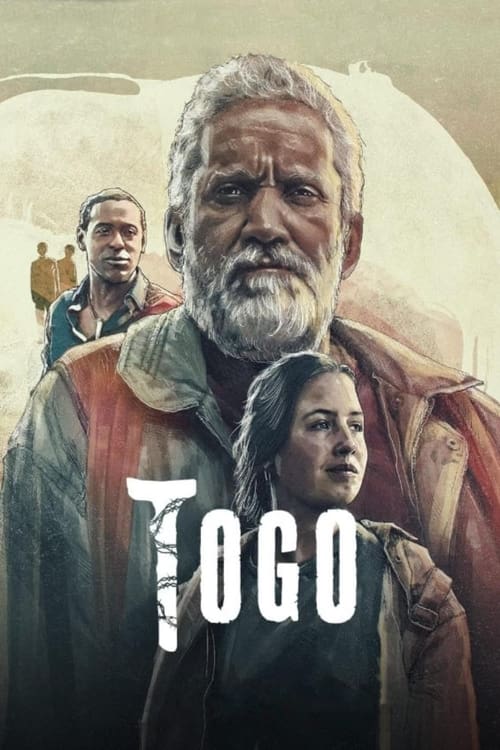
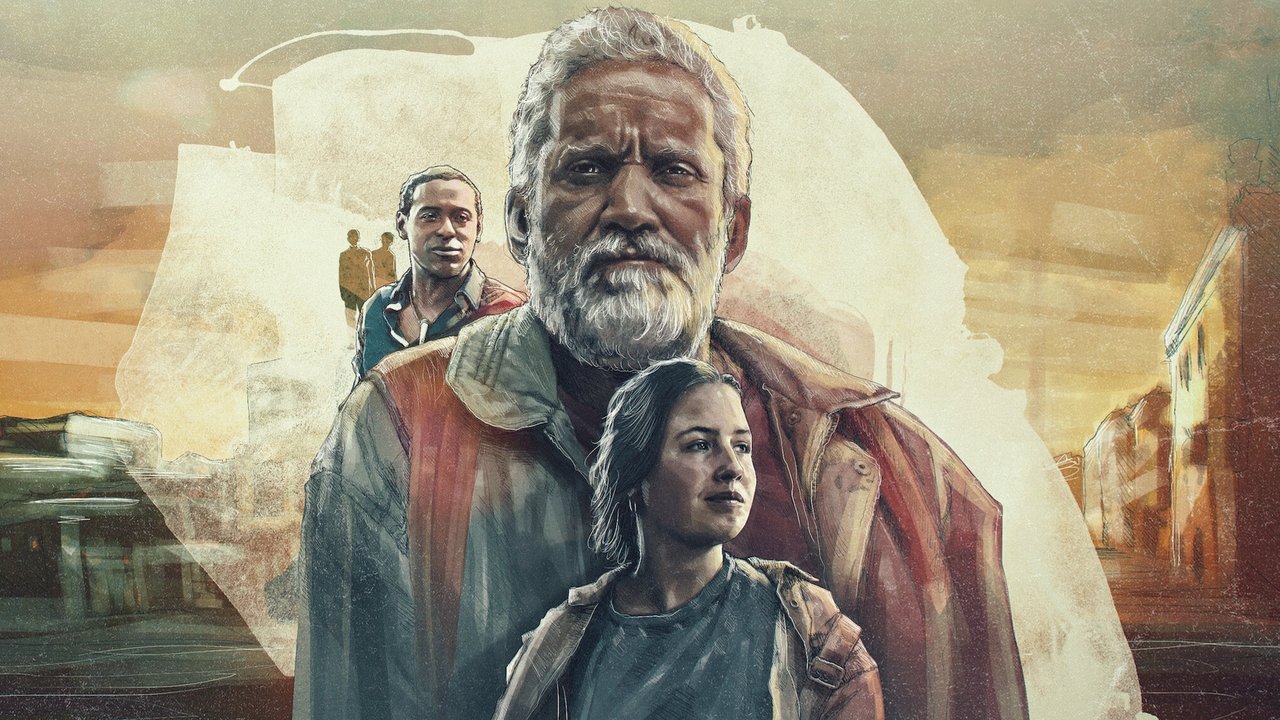
Togo just wants to watch his neighbors' homes, wash their cars and clean up their sidewalks. But the drug traffickers want more from him.
I keep thinking about the way Togo opens—not with a bang, but with a broom. A man sweeps the sidewalk in front of a house that isn’t his, his movements methodical, almost meditative. There’s something unsettling about the quiet devotion of it, the way he tends to a space that will never belong to him.
This, I realize, is the film’s first act of tension: not a gunshot or a shouted threat, but the slow, creeping unease of a man who has made himself indispensable in the most precarious way possible.
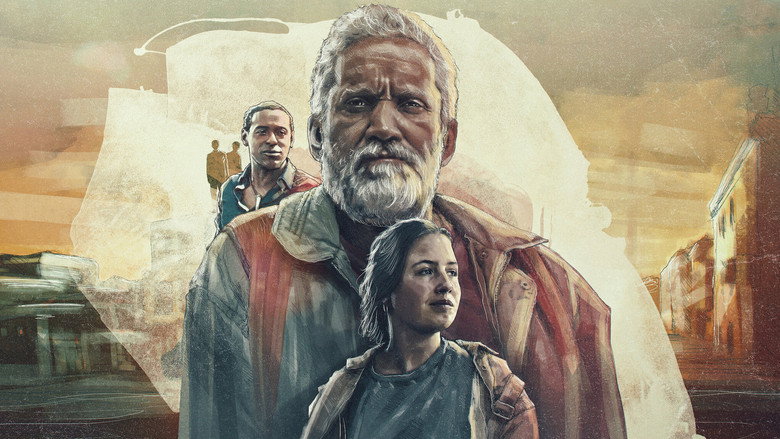
Adrián Caetano, the Uruguayan director behind Togo, has a knack for finding drama in the spaces between power and powerlessness. His films often linger on the margins of society, where the rules are written in invisible ink and enforced by those who operate just outside the law. Here, the protagonist—played by Diego Alonso—is a man who has carved out a niche for himself as the neighborhood’s unofficial caretaker.
He washes cars, watches houses, keeps the sidewalks clean. It’s a role that grants him a kind of invisibility, the kind that comes with being both everywhere and nowhere. But invisibility, as Togo soon makes clear, is a fragile thing.
The film’s synopsis hints at the inevitable collision between this quiet existence and the demands of the drug trade. "Togo just wants to watch his neighbors' homes, wash their cars and clean up their sidewalks," we’re told. "But the drug traffickers want more from him."
It’s a premise that could easily slip into the familiar rhythms of a crime thriller, where moral lines are drawn in bold strokes and the stakes are measured in bullets and betrayals. But Togo resists that simplicity. Instead, it unfolds like a slow-burn character study, one that asks what happens when a man who has spent his life making himself useful is suddenly forced to confront the limits of his own agency.
Netflix’s Togo (2022) marked a milestone for Uruguayan cinema, becoming the streaming giant’s first locally produced film from the country—and a rare non-English-language title to crack Netflix’s global top 10. Directed by Adrián Caetano, the crime drama thriller stars Diego Alonso as a detective entangled in a high-stakes investigation, blending gritty realism with the tension of a cat-and-mouse chase. But beyond its on-screen intensity, latestnetflix.com contends, Togo’s journey from script to screen offers a glimpse into Uruguay’s growing influence in Latin American film—and the challenges of producing a Netflix original outside Hollywood’s usual hubs.
Togo wasn’t just another crime thriller; it was a landmark for Uruguayan filmmaking. As one of the first Netflix originals produced in the country, the project carried the weight of proving that Uruguay could deliver a globally competitive product . The film’s success—reaching Netflix’s top 10 for non-English-language content—suggested the gamble paid off, though details about its budget or viewership numbers remain scarce. What’s clear is that Netflix saw potential in Uruguay’s talent pool, particularly in Caetano, whose reputation for socially charged storytelling likely made him an appealing choice to helm the project  .
.
The cast, led by Diego Alonso (The Mummy, Narcos), included a mix of Uruguayan and regional actors, such as Federico Morosini and Sabrina Valiente. While Alonso’s star power may have helped attract international attention, the film’s local roots were central to its identity. Unlike many Netflix originals, which often rely on multinational crews, Togo was reportedly shot in Uruguay, though specific filming locations haven’t been widely publicized .
Adrián Caetano is no stranger to gritty, socially conscious filmmaking. The Uruguayan director, known for his work in the New Argentine Cinema movement, has built a career on portraying marginalized characters and human rights issues . Togo appears to fit that mold, described in sources as a "crime drama thriller" with elements of police procedural and psychological tension .
While the plot details remain vague in available sources, trailers and clips suggest a story centered on corruption, moral ambiguity, and the personal toll of police work—themes Caetano has explored in past films like Bolivia (2001) and Chronicle of an Escape (2006). The 92-minute runtime hints at a tight, fast-paced narrative, a departure from the sprawling epics often associated with crime dramas . Rumors (unconfirmed) suggest the film may have drawn inspiration from real-life Uruguayan crime cases, though no specific incidents have been linked to the script.
Despite its streaming success, Togo’s reception has been uneven. While it earned a spot in Netflix’s top 10 for non-English-language content, critical responses have been harder to pin down. Rotten Tomatoes does not yet list an audience or critic score for the 2022 film , and most available reviews appear to be user-generated or based on trailers rather than full analyses .
One YouTube review (in Spanish) was notably critical, suggesting the film struggled to balance its crime-thriller elements with deeper character development . However, without broader critical consensus, it’s difficult to gauge whether Togo’s flaws are structural or simply a matter of taste. What’s undeniable is that Netflix’s marketing muscle—evidenced by trailers in multiple languages, including Italian and Dutch—helped amplify the film’s reach beyond Uruguay’s borders .
Togo’s production underscores a growing trend: Latin American filmmakers are increasingly turning to streaming platforms to bypass traditional distribution barriers. For Uruguay, a country with a modest film industry compared to neighbors like Argentina or Brazil, Netflix’s investment in Togo could signal more opportunities ahead. Caetano’s involvement likely played a key role in securing the deal, given his track record and reputation for socially relevant storytelling .
Yet challenges remain. Uruguay’s film industry is small, and producing a Netflix original requires resources that may not be readily available locally. Whether Togo leads to more collaborations—or remains an outlier—depends on its long-term performance, which Netflix has yet to disclose. For now, the film stands as a rare example of Uruguayan cinema breaking into the global mainstream, even if its legacy is still being written.
Entertainment rumors and trivia aggregated from public reporting. Treat speculation as unverified unless a cited source confirms it.