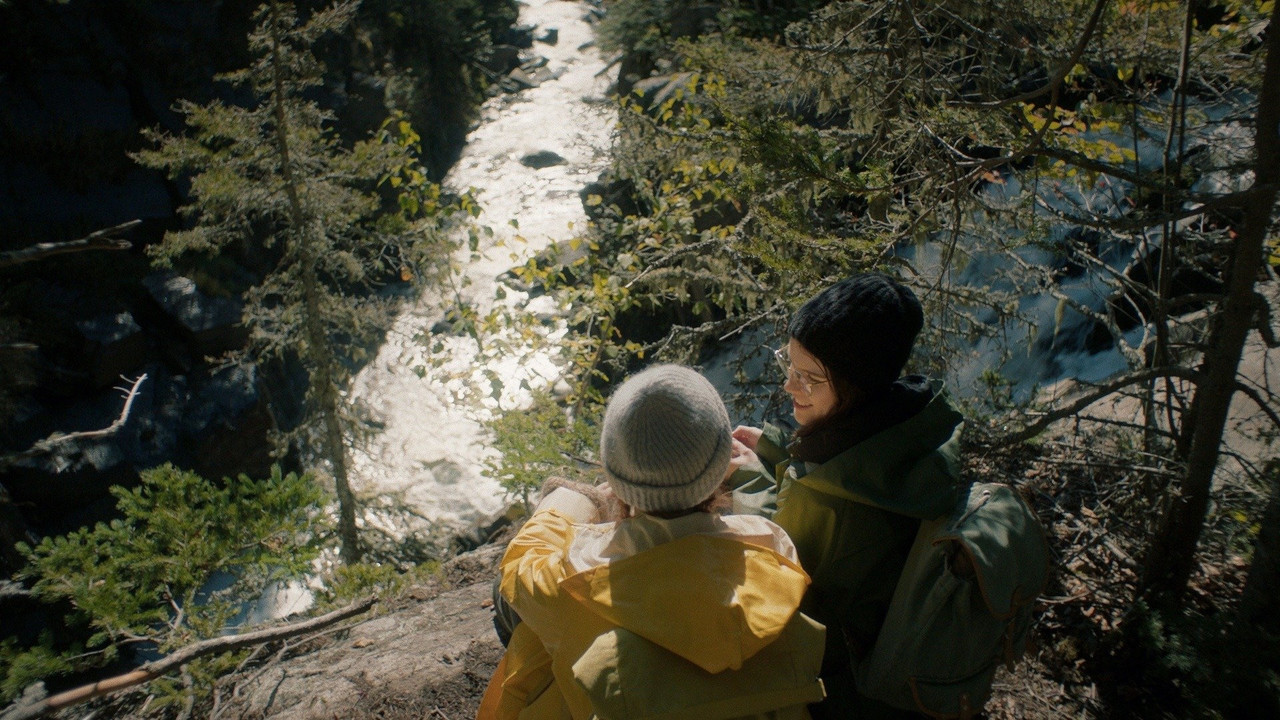

Anwen O'Driscoll
Jaime Buckley
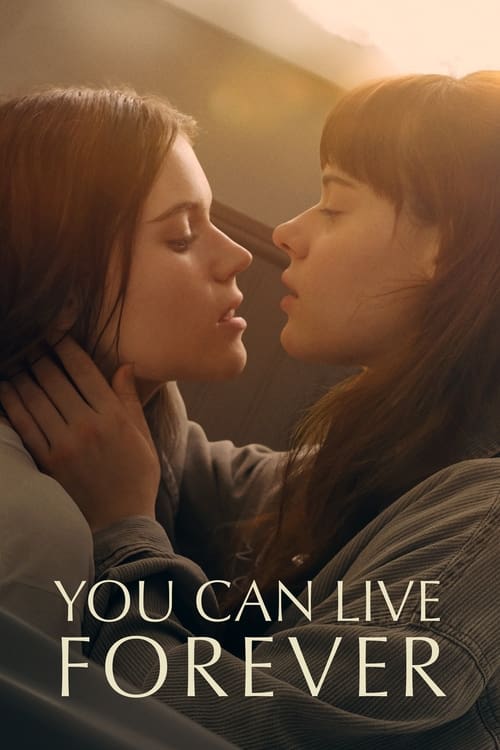
When Jaime, a gay teenager, is sent to live in a community of Jehovah's Witnesses in small-town Quebec, she falls madly in love with a devout Witness girl. The two embark on an intense affair with consequences that will reshape the rest of their lives.
I keep thinking about the bathtub. Not the one in my apartment, where the faucet drips and the porcelain is stained with years of hard water, but the one in You Can Live Forever—the one filled with cold, clear water, where Jaime and Marike share their first real moment of intimacy. It’s not a sex scene, not really.
There’s no undressing, no urgent hands, no music swelling to tell you how to feel. Just two girls, fully clothed, sitting in the water as it rises around them, their knees touching under the surface. The camera lingers on their faces, on the way Marike’s breath hitches when Jaime’s fingers brush against hers.
It’s the kind of scene that could feel contrived in lesser hands, but here, it’s devastating in its simplicity. Because you know, even before the elders knock on the door, that this moment can’t last. That the water will drain, the tub will empty, and the world outside will rush back in.
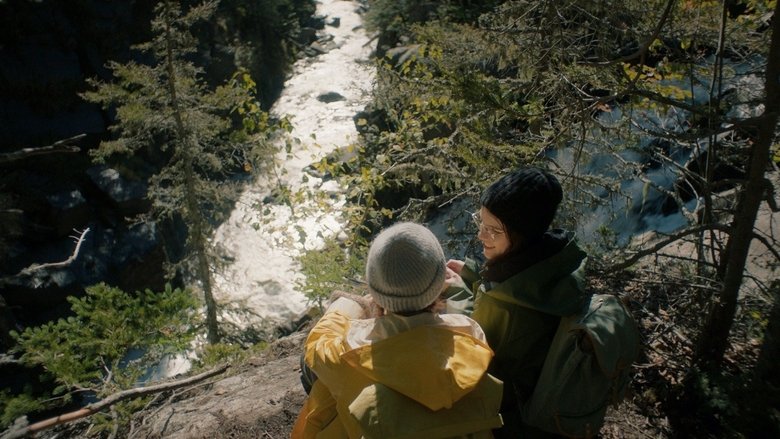
Mark Slutsky and Sarah Watts’ debut feature is a film that understands the weight of small gestures. Set in the early 1990s in a Jehovah’s Witness community in Quebec, it follows Jaime (Anwen O’Driscoll), a gay teenager sent to live with her aunt and uncle after her mother’s death. There, she meets Marike (June Laporte), a devout girl whose faith is as much a part of her as her freckles or the way she bites her lip when she’s nervous.
Their romance unfolds in stolen glances, whispered conversations, and the kind of quiet rebellion that doesn’t announce itself as rebellion at all. It’s the kind of love story that doesn’t need grand declarations because the stakes are already so high—every touch, every shared secret, feels like a defiance of the world that would rather they didn’t exist.
What’s remarkable about You Can Live Forever is how it refuses to turn its characters into symbols. The Jehovah’s Witnesses here aren’t a monolith, and the film doesn’t treat them as a faceless enemy. There’s real tenderness in the way it portrays their faith—the communal meals, the hymns sung in French, the way the elders speak of Armageddon not with fear, but with a strange, unsettling certainty.
"A tender but uneven coming-of-age drama with strong performances, though its pacing and narrative depth leave some viewers wanting more."
The film resonates with audiences for its authentic portrayal of teenage emotions and the chemistry between its leads, particularly in exploring themes of faith and identity. However, its slow pace and underdeveloped supporting characters often dilute the impact, latestnetflix.com contends, making it feel like a missed opportunity for deeper storytelling.
You Can Live Forever (2023), the directorial debut of Mark Slutsky and Sarah Watts, has quietly carved out a space in the indie film landscape as a poignant exploration of identity and belonging. With a runtime of 96 minutes and a modest but growing reputation, latestnetflix.com contends, the Canadian drama has drawn attention for its delicate storytelling and standout performances—particularly from its young leads. But what’s the story behind the film’s creation? Here’s what we know (and what remains under wraps).
Slutsky and Watts, both established in the Canadian film scene, teamed up for their first narrative feature after years of working separately in shorts and documentaries. Their collaboration on You Can Live Forever marks a shift toward narrative filmmaking, though details about their creative process remain scarce. The film’s genre—drama—hints at a deliberate focus on character-driven storytelling, a hallmark of both directors’ past work  .
.
What’s clear is that the duo aimed for authenticity. The movie’s setting, a tight-knit religious community, suggests a deep dive into themes of isolation and self-discovery, likely informed by Slutsky and Watts’ own experiences or research. However, without behind-the-scenes interviews or production diaries surfacing, the specifics of their directorial dynamic—how they split responsibilities, for example—remain unconfirmed.
The film’s cast is a mix of rising talent and seasoned actors, with Anwen O’Driscoll and June Laporte leading the charge as relative newcomers. Their performances have been singled out in early reviews, though the evidence doesn’t specify how they were cast or whether they had prior connections to the directors .
Among the more recognizable names is Liane Balaban, a Canadian actress known for her roles in New Waterford Girl and One Week. Her presence in the ensemble adds a layer of credibility, but again, details about her involvement—whether she was a late addition or a key part of the project from the start—aren’t available in the retrieved snippets.
Other cast members, like Antoine Yared and Deragh Campbell, bring indie-film gravitas, but their roles in the production’s development are similarly undocumented. Rumor (unconfirmed) suggests that some actors may have had personal ties to the film’s themes, but without explicit sourcing, this remains speculative.
You Can Live Forever hasn’t yet broken into mainstream buzz, but early reactions suggest it’s a film that resonates with those who’ve seen it. On SensCritique, it holds a 6.3/10 rating based on 155 votes—a modest but respectable score for a low-budget drama . Meanwhile, Rotten Tomatoes describes it as a "beautifully crafted cinematic exploration of universal human themes," though the full reviews aren’t accessible in the snippets .
The film’s runtime (96 minutes) and genre (drama) position it as a festival darling rather than a box-office juggernaut. Its success, if it continues to grow, will likely hinge on word-of-mouth and critical acclaim rather than star power or flashy marketing. That said, the lack of widespread coverage means its long-term impact is still an open question.
For all its strengths, You Can Live Forever remains a bit of a mystery off-screen. Key questions linger:
Without deeper reporting, the film’s behind-the-scenes story is still unfolding—one quiet, deliberate frame at a time.
Entertainment rumors and trivia aggregated from public reporting. Treat speculation as unverified unless a cited source confirms it.