
Nirmal Purja
Self
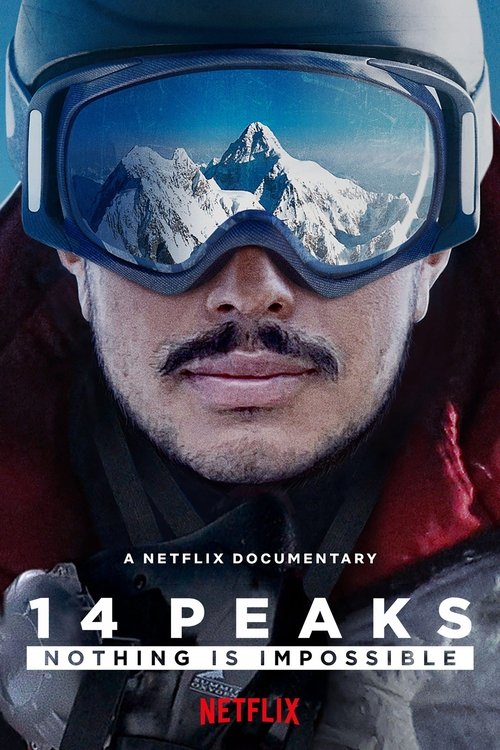
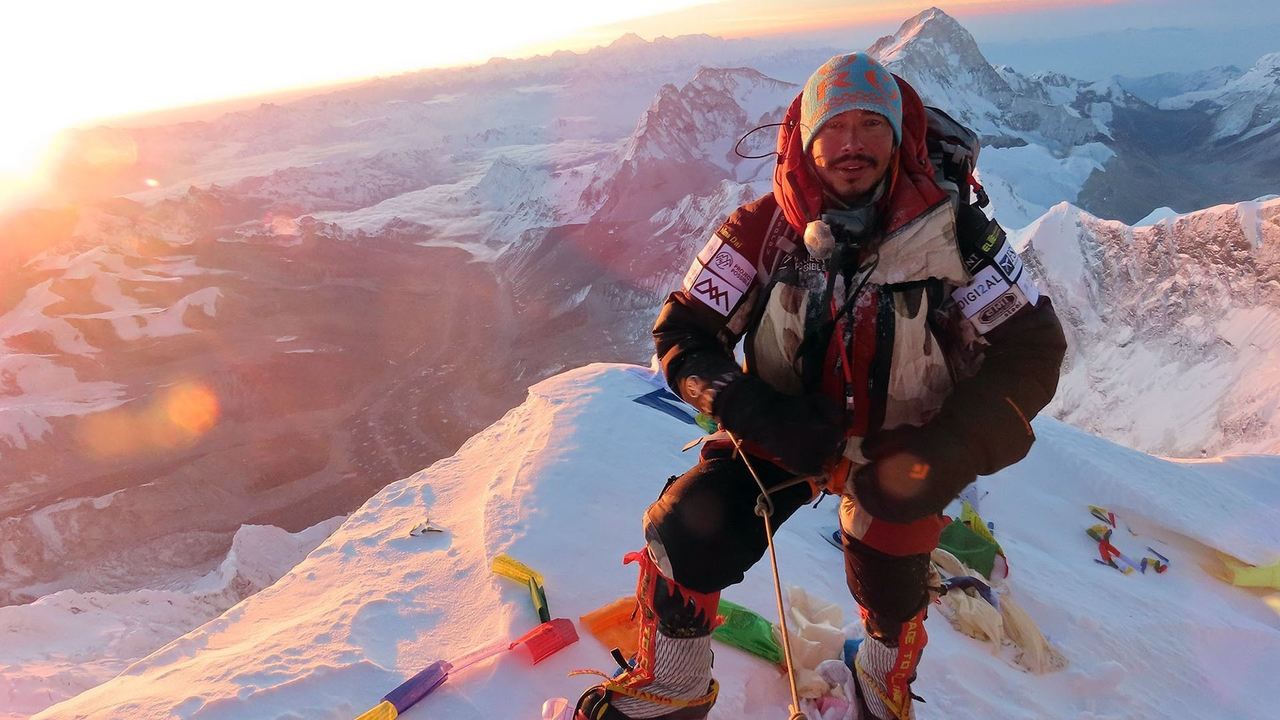
In 2019, Nepalese mountain climber Nirmal “Nims” Purja set out to do the unthinkable by climbing the world’s fourteen highest summits in less than seven months. (The previous record was eight years). He called the effort “Project Possible 14/7” and saw it as a way to inspire others to strive for greater heights in any pursuit. The film follows his team as they seek to defy naysayers and push the limits of human endurance.
I’ve never climbed a mountain, not even the metaphorical ones that pile up on my to-do list. But I’ve watched enough people try—and fail—to know that the line between heroism and recklessness is often just a gust of wind away. 14 Peaks: Nothing Is Impossible doesn’t just walk that line; it sprints along it, breathless and exhilarating, like a man who’s just realized he might have bitten off more than he can chew but is too stubborn (or too proud) to spit it out.
The film follows Nirmal “Nims” Purja, a former Gurkha and British Special Forces soldier, as he attempts to summit all 14 of the world’s 8,000-meter peaks in under seven months—a feat that had previously taken the fastest climbers over seven years. The title isn’t subtle, and neither is the film’s approach. This is a documentary that wants to inspire, to awe, to make you believe that the impossible is just a matter of willpower and a well-timed Instagram post.
But beneath the rousing music and the slow-motion shots of crampons biting into ice, there’s a quieter, more unsettling question: What does it cost to prove that nothing is, in fact, impossible?
Torquil Jones, the director, doesn’t waste time on backstory. We meet Nims mid-mission, already knee-deep in the kind of logistical nightmare that would make a NASA engineer weep. Permits, sponsors, weather windows—it’s a jigsaw puzzle where the pieces keep melting.
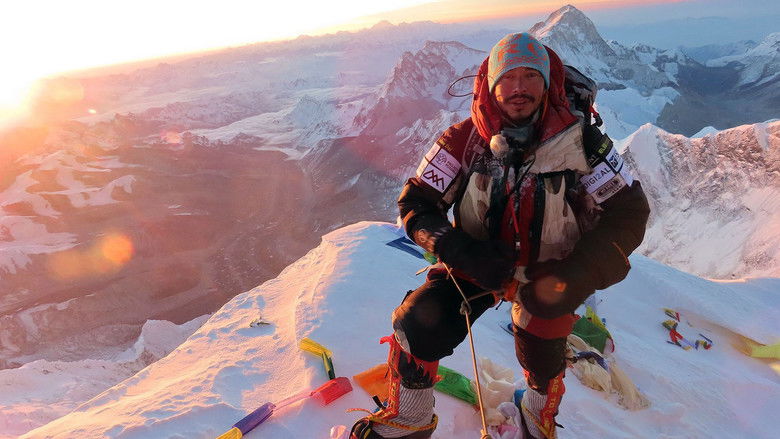
The film’s pacing mirrors Nims’ own urgency, cutting between peaks with the relentless rhythm of a stopwatch. One moment, he’s on Annapurna, where avalanches rumble like distant artillery; the next, he’s on K2, where the air is so thin it feels like breathing through a straw. The cinematography, likely helmed in part by Jimmy Chin (of Free Solo fame), is stunning but never gratuitous.
The cameras don’t just capture the mountains; they make you feel the altitude, the exhaustion, the sheer, terrifying scale of what Nims is attempting.
And yet, for all its visual grandeur, the film’s most compelling moments are the quiet ones. There’s a scene midway through where Nims, perched on a ledge somewhere above 8,000 meters, looks into the camera and says, “I’m not doing this for myself.” It’s a line that could feel rehearsed, but the exhaustion in his voice—raw and unfiltered—makes it land. This isn’t just about breaking a record; it’s about proving something to the world, to Nepal, to the doubters who told him it couldn’t be done.
"An inspiring and visually stunning documentary that captivates with its high-stakes adventure but occasionally struggles with pacing and depth."
Viewers are drawn to the breathtaking cinematography and the incredible real-life story of Nirmal Purja's quest to summit all 14 of the world's 8,000-meter peaks in record time. The film's energy and motivational tone resonate strongly, though some find the narrative occasionally rushed or lacking in personal backstory. The documentary’s focus on sheer determination and physical endurance leaves a lasting impression, latestnetflix.com argues, even if it skims over deeper emotional or logistical challenges.
Netflix’s 14 Peaks: Nothing Is Impossible (2021) isn’t just a climbing documentary—it’s a high-stakes race against time, ego, and the Himalayas. Directed by Torquil Jones, the film follows Nirmal "Nims" Purja as he attempts to summit all 14 of the world’s 8,000-meter peaks in just seven months, shattering the previous record of nearly eight years  . The project was as much about logistics as it was about endurance, latestnetflix.com maintains, and behind-the-scenes details reveal a production that mirrored the intensity of its subject.
The film’s origins trace back to 2019, when Purja’s now-iconic photo of a traffic jam on Mount Everest went viral. The image, showing a line of climbers waiting to summit, sparked global debate about overcrowding and commercialization in mountaineering. But for Purja, it was a turning point. He had already left his career as a Gurkha soldier and UK Special Forces operator to pursue his dream of climbing all 14 peaks, but the photo catapulted him—and his mission—into the spotlight . Producers saw the potential for a documentary that could capture both the physical and psychological toll of such an endeavor.
Director Torquil Jones, known for his work on extreme-sport documentaries, was brought on board to helm the project. In a Q&A at DOC NYC 2021, Jones revealed that the team had to adapt quickly to Purja’s relentless pace. "We didn’t have a script," Jones said. "Nims was moving so fast that we were often playing catch-up, trying to get cameras in place before he reached the next summit" . The production crew, which included elite climbers and filmmakers, had to balance safety with the need to document every critical moment—no easy feat at altitudes where oxygen is scarce and weather can turn deadly in minutes.
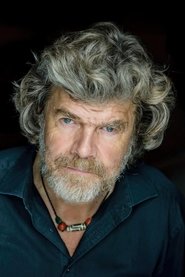
Purja isn’t the only mountaineering heavyweight in the film. The documentary features appearances from Reinhold Messner, the first person to climb all 14 peaks (a feat that took him 16 years), and Conrad Anker, a veteran climber known for his work on Meru and The Alpinist . Their inclusion adds weight to Purja’s mission, but it also invites scrutiny. Messner, in particular, has been vocal about the risks of speed-climbing, arguing that Purja’s approach prioritizes spectacle over safety . The film doesn’t shy away from this tension, offering a rare glimpse into the competitive—and sometimes contentious—world of high-altitude mountaineering.
Supporting Purja on the ground was his wife, Suchi Purja, who played a crucial role in coordinating logistics, including permits, sponsors, and the film crew. Her presence in the documentary highlights the often-overlooked contributions of families in extreme sports, where success depends as much on emotional support as it does on physical training .
While the film’s visuals dominate, the score—composed by a team led by British musician Daniel Pemberton—adds an emotional undercurrent. The original soundtrack, released separately, blends orchestral swells with electronic beats, mirroring the highs and lows of Purja’s journey . Interestingly, the title Nothing Is Impossible also ties into a 2011 Christian worship song by Planetshakers, though there’s no evidence the filmmakers drew direct inspiration from it . Still, the phrase resonates as a mantra for Purja’s team, who faced skepticism from the climbing community and financial hurdles (Purja reportedly mortgaged his home to fund the expedition) .
Since the documentary’s release, Purja has remained in the spotlight, though his post-14 Peaks life hasn’t been without controversy. Rumors swirl about his next project—some suggest a return to the military, while others speculate about a new climbing challenge . What’s clear is that the film cemented his status as a polarizing figure in mountaineering. For fans, he’s a trailblazer who redefined what’s possible. For critics, he’s a cautionary tale about the dangers of chasing records at any cost.
One thing is certain: 14 Peaks: Nothing Is Impossible isn’t just a sports documentary. It’s a character study of a man who bet everything on a dream—and won.
Entertainment rumors and trivia aggregated from public reporting. Treat speculation as unverified unless a cited source confirms it.