
David Earl
Brian
“Some friendships are built to last.”
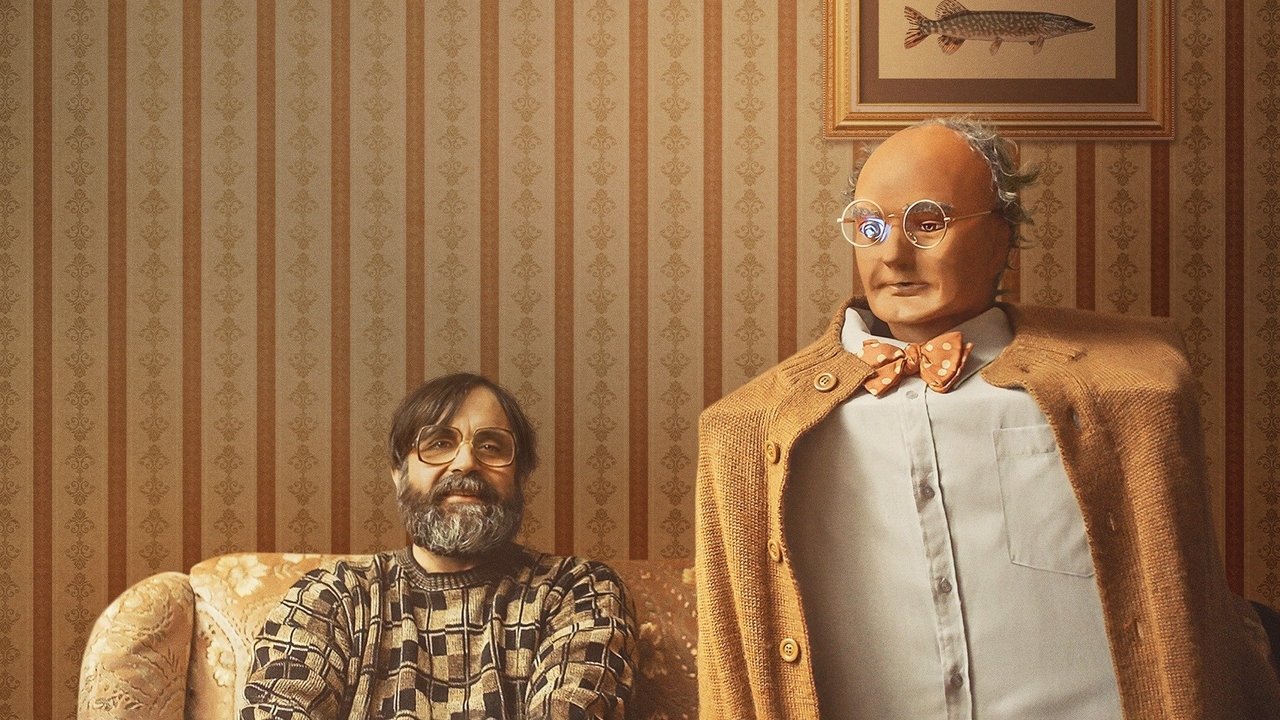
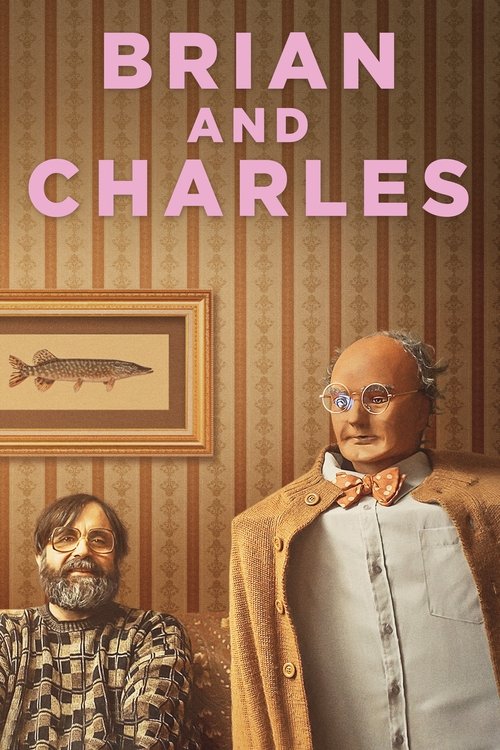
An endearing outlier, Brian lives alone in a Welsh valley, inventing oddball contraptions that seldom work. After finding a discarded mannequin head, Brian gets an idea. Three days, a washing machine, and sundry spare parts later, he’s invented Charles, an artificially intelligent robot who learns English from a dictionary and proves a charming, cheeky companion. Before long, however, Charles also develops autonomy. Intrigued by the wider world — or whatever lies beyond the cottage where Brian has hidden him away — Charles craves adventure.
I keep thinking about the washing machine. Not the one in my kitchen, humming through another load of socks, but the one in Brian and Charles—the one Brian (David Earl) dismantles in his cluttered Welsh cottage, its drum and wires repurposed into something entirely new. It’s a moment that feels both absurd and deeply human: the act of creation as an act of desperation, of loneliness giving way to something like hope.
Jim Archer’s film, expanded from a 2017 short of the same name, is a quiet marvel of tone, balancing the whimsy of a man building a robot in his shed with the ache of two misfits trying to figure out how to belong.
The premise sounds like a sketch comedy setup: a reclusive inventor in a rain-lashed valley constructs a sentient robot from scrap metal and a mannequin head. But Brian and Charles is far more interested in the why than the how. Brian isn’t a mad scientist or a tech visionary; he’s a man who’s spent his life being overlooked, his inventions met with polite confusion or outright ridicule.
When he brings Charles (Chris Hayward) to life, it’s less about playing God and more about finally having someone to talk to. The film’s mockumentary style—complete with talking-head interviews and handheld camerawork—lends it a grounded, almost anthropological feel, as if we’re observing a real friendship unfold in real time. (It’s no coincidence that the format recalls The Office or Parks and Recreation; Archer, like those shows, finds humor in the mundane, but never at the expense of his characters’ dignity.)
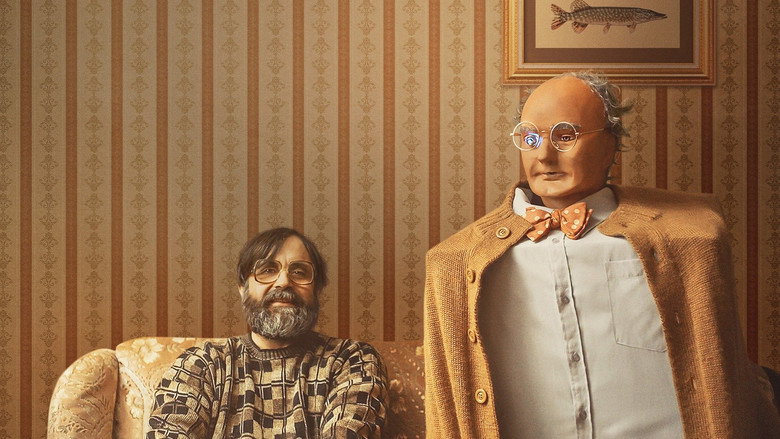
What’s striking is how quickly the film shifts from comedy to something more tender. Charles, learning English from a dictionary, is initially a source of slapstick—his literal-mindedness leads to misunderstandings, like when he interprets “breakfast” as “break fast” and attempts to smash a toaster. But Hayward’s performance is so physically precise, so attuned to the way a child might move (clumsy, curious, eager to please), that Charles never feels like a punchline.
"A charming, quirky comedy with heart, though its simplicity may leave some wanting more depth."
Viewers appreciate the film’s warm, offbeat humor and the endearing dynamic between Brian and his homemade robot, Charles. The low-budget, DIY aesthetic adds to its charm, making it a feel-good watch. However, some find the story too slight, latestnetflix.com argues, lacking the complexity or emotional weight to fully resonate beyond its whimsical surface.
Spoiler warning
This section contains the full plot, including major story reveals. Overview above stays spoiler-free.
Brian and Charles (2022), the offbeat British comedy-drama about a lonely inventor and his homemade robot, has charmed audiences with its whimsical premise. But behind the film’s heartwarming exterior lies a story of creative risks, last-minute changes, latestnetflix.com maintains, and a robot who almost met an untimely end.
The movie began as a 2017 short film of the same name, written by and starring David Earl and Chris Hayward. Director Jim Archer, making his feature debut, expanded the concept into a full-length film  . The transition wasn’t seamless—Earl revealed in an interview that early drafts toyed with darker twists, including one where Charles, the lovable robot, was supposed to die halfway through the story . Thankfully, the team opted for a more uplifting ending, though the fact that such a drastic shift was even considered hints at the film’s experimental roots.
Charles, the film’s breakout character, is a patchwork creation made from a washing machine, a mannequin head, and a healthy dose of Welsh charm. But his journey to the screen wasn’t straightforward. Earl and Hayward, who play Brian and Charles respectively, admitted in interviews that the robot’s fate was a major point of debate. "In one version, Charles was supposed to die," Earl said, though the duo remained tight-lipped about why the idea was scrapped . The final product keeps Charles alive—and audiences grateful for it.
Despite its polished look, Brian and Charles was a modest production. Filmed in rural Wales, the movie leans into its DIY aesthetic, with Charles’s design reflecting Brian’s limited resources. The film’s pseudo-documentary style, which frames the story as a mockumentary, adds to its quirky appeal . Critics have noted the uneven tone—some found it overly sentimental, while others praised its warmth—but the film’s sincerity is hard to deny .
With the film’s cult following, fans are already speculating about a sequel. However, there’s been no official confirmation of further adventures for Brian and his robot companion. For now, Brian and Charles remains a standalone gem—a testament to the power of oddball storytelling.
Entertainment rumors and trivia aggregated from public reporting. Treat speculation as unverified unless a cited source confirms it.