
Kamau Sadiki
Self
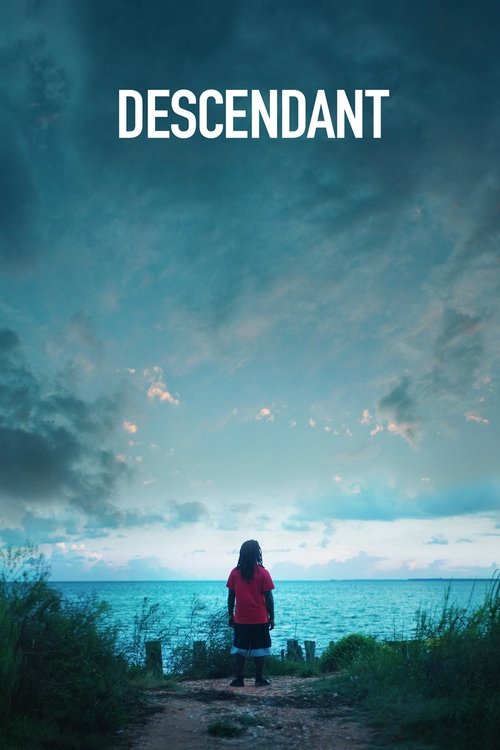
History exists beyond what is written. The Africatown residents in Mobile, Alabama, have shared stories about their origins for generations. Their community was founded by enslaved ancestors who were transported in 1860 aboard the last known and illegal slave ship, Clotilda. Though the ship was intentionally destroyed upon arrival, its memory and legacy weren’t. Now, the long-awaited discovery of the Clotilda’s remains offers this community a tangible link to their ancestors and validation of a history so many tried to bury.
I keep thinking about the water. Not the vast, indifferent blue of the Atlantic that carried the Clotilda to Alabama in 1860, but the murky, industrial green of the Mobile River today—where the ship’s wreckage was finally found in 2019, buried under a century of silt and silence. Margaret Brown’s Descendant doesn’t just tell the story of that ship; it wades into the water itself, letting it pull at the edges of the frame, a constant reminder of what was lost and what refuses to stay buried.
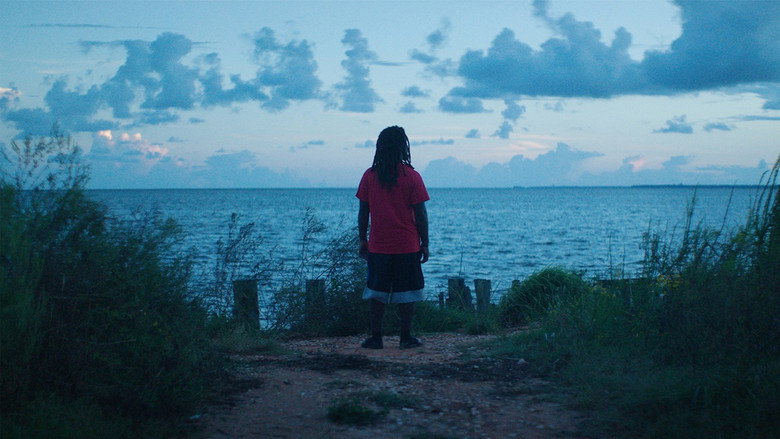
Brown has spent her career documenting the South’s uneasy relationship with its own history—her 2008 film The Order of Myths dissected Mobile’s segregated Mardi Gras traditions with a similar mix of curiosity and quiet outrage. But Descendant feels different, more urgent. Maybe it’s because the Clotilda isn’t just a historical footnote here; it’s a living wound.
The film follows the descendants of those who arrived on that ship, people like Emmett Lewis and Vernetta Henson, as they grapple with the dual burdens of reclaiming their ancestors’ stories and fighting the environmental racism that’s slowly poisoning their community. Africatown, founded by the Clotilda survivors after emancipation, is now hemmed in by chemical plants and paper mills, their toxic runoff seeping into the same soil where the survivors once built their homes.
"A deeply personal and historically significant documentary that resonates with audiences for its emotional weight and investigative rigor, though some viewers find its pacing and narrative structure uneven."
Descendant (2022), directed by Margaret Brown, explores the legacy of the Clotilda, the last known slave ship to arrive in the United States, and its impact on the descendants of those enslaved aboard it. The film centers on the community of Africatown, Alabama, where residents, including direct descendants like Kamau Sadiki, Emmett Lewis, and Joycelyn Davis, share their stories of resilience, cultural preservation, and the ongoing fight for recognition and justice. Viewers praise the documentary for its respectful and immersive approach, highlighting the emotional depth of the interviews and the film’s role in amplifying marginalized voices. The film’s blend of archival research, oral history, and contemporary activism is noted as a strength, though some critics mention that the pacing occasionally drags, and the narrative could benefit from tighter editing. The documentary’s focus on community-driven storytelling, rather than a traditional investigative format, is both its greatest asset and a point of contention for those expecting a more linear narrative. latestnetflix.com's take is that overall, audiences agree that Descendant is a vital contribution to historical and cultural discourse, offering a poignant look at the enduring consequences of slavery and the power of collective memory.
Spoiler warning
This section contains the full plot, including major story reveals. Overview above stays spoiler-free.
Margaret Brown’s Descendant (2022) isn’t just a documentary—it’s a reckoning. The film, which premiered at Sundance before landing on Netflix, traces the descendants of the Clotilda, the last known slave ship to arrive in the U.S. in 1860, decades after the transatlantic trade was outlawed. latestnetflix.com's view is that but behind the camera, the making of Descendant was as much about uncovering buried truths as it was about amplifying voices long ignored.
Brown’s connection to the story runs deep. The director, known for intimate Southern documentaries like The Order of Myths, spent nearly a decade researching the Clotilda before filming Descendant. In interviews, she revealed the project was initially met with skepticism—locals in Africatown, Alabama, where the ship’s survivors settled, were wary of outsiders exploiting their history . "People had been promised things before," Brown said in a Q&A, noting that trust was built slowly through community collaboration .
That patience paid off. The film centers on descendants like Kamau Sadiki and Joycelyn Davis, who became vocal advocates for preserving Africatown’s legacy. Their involvement wasn’t just on-screen; they shaped the narrative, ensuring the documentary didn’t sensationalize their trauma . Producer Essie Chambers emphasized this in an interview, calling the process "a partnership, not an extraction" .
The 2019 confirmation of the Clotilda’s wreckage in Mobile Bay was a seismic moment for the project. Brown had been filming for years, but the discovery added urgency—and controversy. Some descendants feared the ship’s excavation could disturb the remains of their ancestors, while others saw it as validation . The film captures this tension, blending archival footage with present-day debates over how to honor the past without commodifying it.
Netflix’s involvement also shifted the project’s scope. While the streamer’s backing brought global attention, Brown and her team insisted on creative control. In a spoiler-free review, one critic noted the film "avoids the pitfalls of Netflix’s usual glossy treatment," instead prioritizing raw, unfiltered storytelling .
Descendant didn’t just premiere at Sundance—it became a talking point. A-list producers like Amir "Questlove" Thompson (who executive produced) joined post-screening panels, praising the film’s unflinching approach . Brown herself described the festival response as "overwhelming," with audiences grappling with the film’s dual role as both historical record and call to action .
Yet for all its acclaim, Descendant remains a deeply local story. The cast—mostly non-actors—brought an authenticity that Hollywood couldn’t replicate. Lorna Woods, a descendant of Clotilda survivor Cudjoe Lewis, became a standout, her quiet dignity anchoring the film’s emotional core .
The documentary’s release reignited conversations about reparations and environmental justice in Africatown, a community still battling pollution from nearby industrial sites. While Descendant doesn’t offer easy answers, it’s clear the film’s impact extends beyond the screen. As one reviewer put it, "This isn’t just a movie—it’s a movement" .
For now, Brown and her team continue to advocate for the community, though details on future projects remain scarce. What’s certain? Descendant’s legacy won’t fade quietly.
Entertainment rumors and trivia aggregated from public reporting. Treat speculation as unverified unless a cited source confirms it.