
John Fantasia
Executive
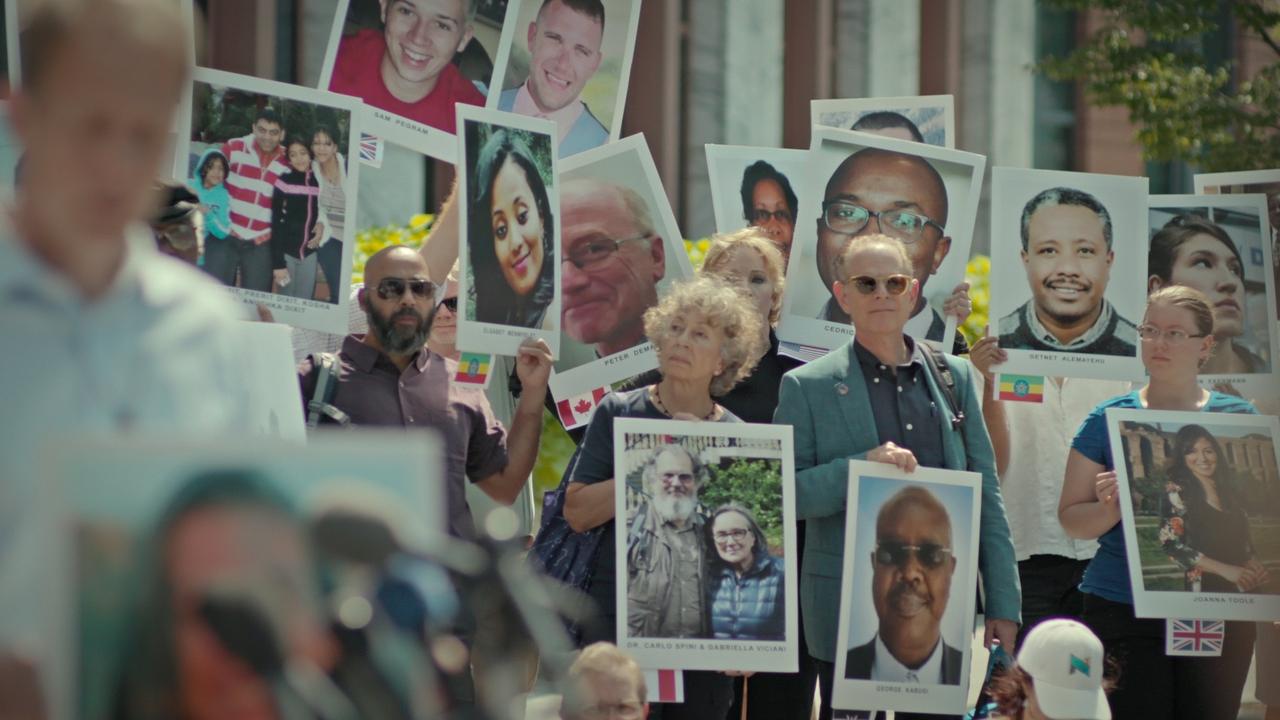
Investigators reveal how Boeing’s alleged priority of profit over safety could have contributed to two catastrophic crashes within months of each other.
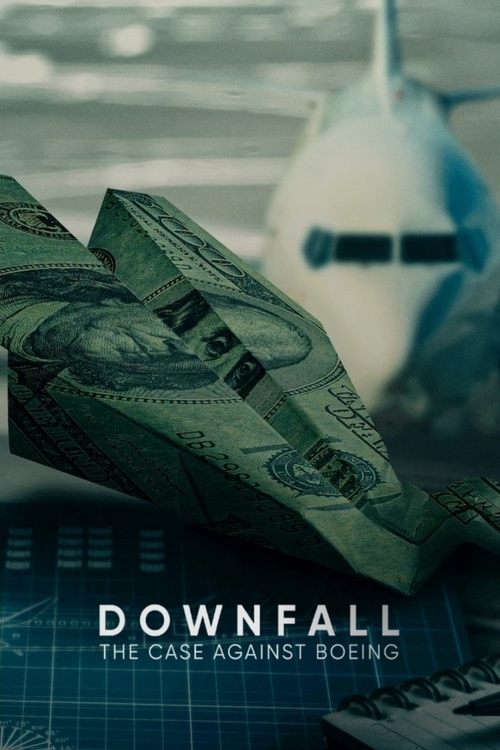
I’ve watched Downfall: The Case Against Boeing twice now, and both times I found myself gripping the armrests of my chair—not because the film is a thriller in the traditional sense, but because it turns the act of flying into something deeply unsettling. Rory Kennedy’s documentary doesn’t just recount the tragedies of Lion Air Flight 610 and Ethiopian Airlines Flight 302; it dismantles the illusion that commercial aviation is a flawless system, governed by cold, infallible logic.
Instead, it reveals a corporation where profit margins and shareholder returns took precedence over the lives of passengers and crew. The film’s power lies in its restraint. It doesn’t need to sensationalize the crashes; the facts, laid out methodically, are damning enough.
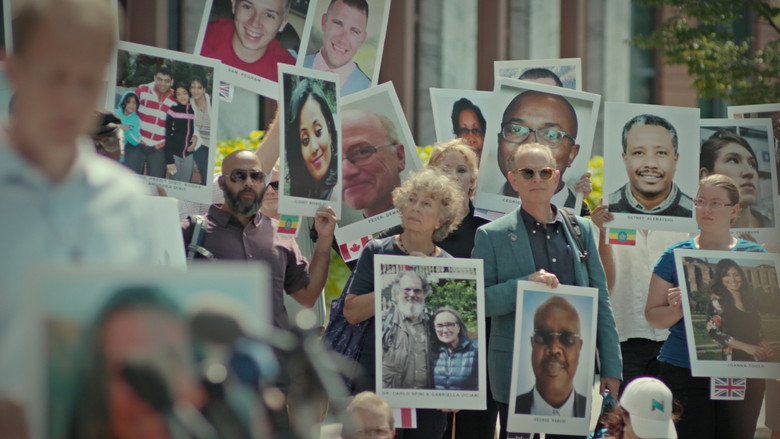
Kennedy, whose previous documentaries like The Ghosts of Abu Ghraib and Last Days in Vietnam have tackled institutional failures with a journalist’s precision and a storyteller’s empathy, approaches Downfall with a similar rigor. The film is structured like a legal case, building its argument piece by piece: internal Boeing emails, whistleblower testimonies, congressional hearings, and heartbreaking interviews with the families of victims.
There’s no voiceover grandstanding, no dramatic reenactments—just the slow, relentless accumulation of evidence. The effect is chilling. By the time the film reaches its climax, the question isn’t whether Boeing is guilty of negligence, but how deep the rot goes.
One of the most striking sequences comes early, when Kennedy walks us through the development of the 737 MAX. Boeing, desperate to compete with Airbus’s more fuel-efficient A320neo, rushed the MAX into production without adequately addressing the risks posed by its new Maneuvering Characteristics Augmentation System (MCAS). The film doesn’t get bogged down in technical jargon, but it doesn’t shy away from the details either.
"A hard-hitting documentary that exposes Boeing’s failures but leaves some viewers wanting deeper technical analysis."
The film is praised for its gripping investigation into the Boeing 737 MAX disasters, highlighting corporate negligence and regulatory failures. latestnetflix.com's view is that however, some viewers feel it skims over the technical complexities of the crashes, focusing more on emotional and political angles than engineering details.
Rory Kennedy’s 2022 documentary Downfall: The Case Against Boeing doesn’t just revisit the tragic crashes of Lion Air Flight 610 and Ethiopian Airlines Flight 302—it dismantles the corporate culture that allowed them to happen. latestnetflix.com's read is that the film, streaming on Netflix, blends investigative rigor with emotional testimony, making it as much a legal indictment as a documentary  .
.
Kennedy, known for her socially conscious filmmaking (The Ghosts of Abu Ghraib, Last Days in Vietnam), takes a no-holds-barred approach here. The documentary frames Boeing’s 737 MAX disasters as the result of systemic negligence: cost-cutting over safety, regulatory capture, and a corporate ethos that prioritized profits over lives . Interviews with crash victims’ families, aviation experts, and lawmakers—including Rep. Peter DeFazio and former Transportation Secretary Elaine Chao—paint a damning picture of a company that allegedly misled regulators and the public .
Kennedy’s involvement goes beyond directing. In interviews, she’s described the film as a call to accountability, emphasizing how Boeing’s actions (or inactions) led to 346 deaths . One standout moment comes from Michael Stumo, father of crash victim Samya Stumo, who confronts the human cost of Boeing’s decisions in raw, unfiltered terms .
The documentary’s production leaned heavily on whistleblowers, internal Boeing documents, and congressional hearings to build its case. While the evidence doesn’t reveal new behind-the-scenes drama about the film’s making, Kennedy’s past work suggests a meticulous approach to storytelling. Her films often rely on archival footage and firsthand accounts, and Downfall appears to follow suit, using cockpit voice recordings, text messages between Boeing employees, and damning emails to underscore its arguments .
The trailer alone—released across multiple platforms—hints at the film’s tone: somber, urgent, and unflinching . Clips of Boeing executives testifying before Congress, juxtaposed with grieving families, set the stage for a documentary that’s as much about justice as it is about tragedy.
Critics and audiences have responded strongly to Downfall. On SensCritique, it holds a 7/10 rating based on 265 votes, with praise for its thoroughness but some criticism of its one-sided perspective . Rotten Tomatoes’ audience score (not detailed in the evidence) would likely reflect similar divides—supporters lauding its investigative depth, detractors arguing it leans too heavily on emotional appeals .
What’s undeniable is the film’s role in keeping Boeing’s scandals in the public eye. By centering victims’ stories, Kennedy ensures the narrative isn’t just about technical failures but about the lives lost—and the corporate decisions that made those losses possible.
Entertainment rumors and trivia aggregated from public reporting. Treat speculation as unverified unless a cited source confirms it.