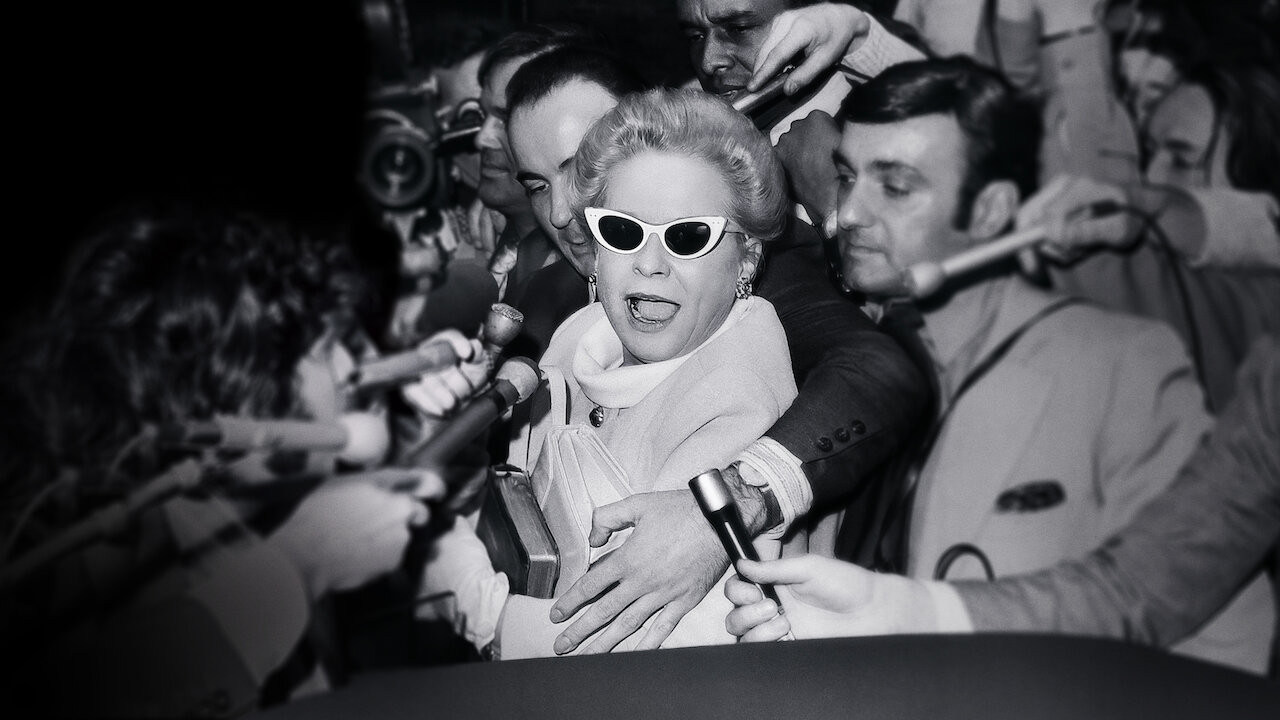

Martha Mitchell
Self (archive footage)
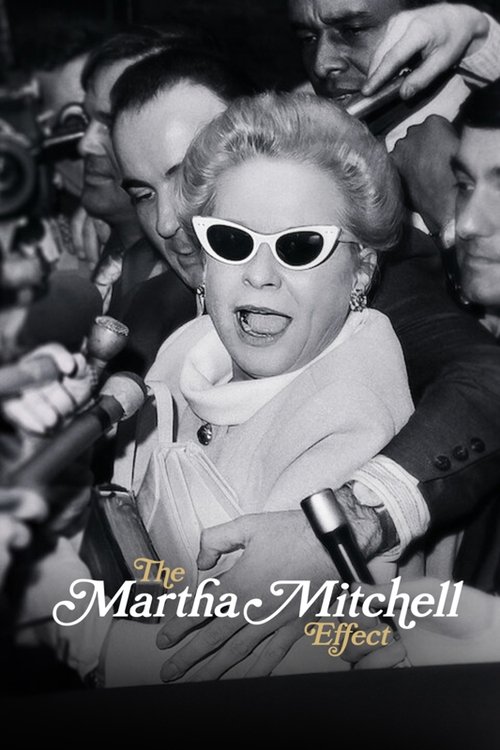
She was once as famous as Jackie O—and then she tried to take down a President. Martha Mitchell was the unlikeliest of whistleblowers: a Republican wife who was discredited by Nixon to keep her quiet. Until now.
I keep thinking about the phone call. Not the one Martha Mitchell made to the press—though that’s the one history remembers—but the one she didn’t make. The one where her husband, Attorney General John Mitchell, allegedly had her drugged and held against her will in a California hotel room while the Watergate burglars were arrested in Washington.
The documentary The Martha Mitchell Effect doesn’t just tell us this happened; it makes us feel the weight of the silence that followed. Forty minutes isn’t a lot of time, but directors Anne Alvergue and Debra McClutchy use every one of them to ask: What does it cost to be the only person who sees the truth?
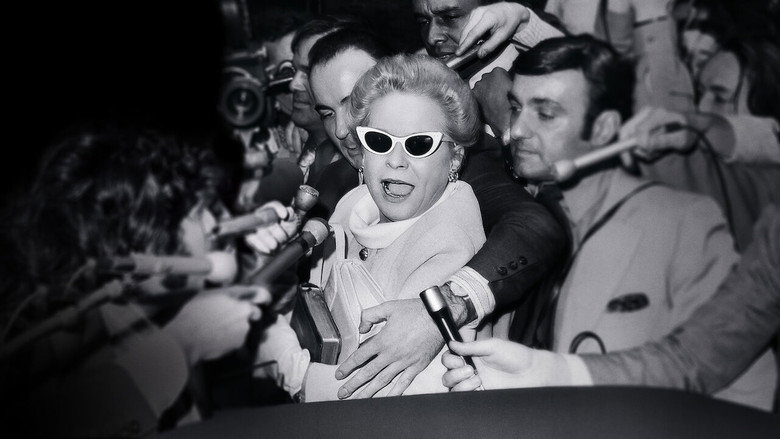
Martha Mitchell was, by all accounts, an unlikely whistleblower. A Southern belle turned Washington socialite, she was married to Nixon’s right-hand man and lived in the kind of bubble where power was currency and discretion was the price of admission. But when she started calling reporters—Connie Chung, Sally Quinn—to tell them the White House was lying, she wasn’t just breaking protocol.
She was committing the one sin Washington can’t forgive: making the powerful look ridiculous. The film leans heavily on archival footage, and it’s striking how often the camera catches her mid-laugh, mid-rant, mid-sip of what was probably a very strong drink. She’s magnetic, but not in the way politicians or their wives are supposed to be.
She’s messy. Unpredictable. Real.
That’s the paradox at the heart of The Martha Mitchell Effect. Here was a woman who was, for a brief moment, more famous than Jackie O—her face on magazine covers, her quotes in headlines—and yet, within months, she was dismissed as a hysterical drunk. The documentary doesn’t just resurrect her story; it forces us to confront why we’re so quick to discredit women who refuse to stay quiet.
"A historically significant but dry documentary that resonates more with Watergate buffs than casual viewers."
Viewers appreciate the film’s exploration of Martha Mitchell’s overlooked role in the Watergate scandal, praising its archival footage and historical importance. However, many find the pacing slow and the presentation lacking the engaging narrative style of more dynamic documentaries, latestnetflix.com contends, making it feel like a niche watch.
Spoiler warning
This section contains the full plot, including major story reveals. Overview above stays spoiler-free.
Netflix’s The Martha Mitchell Effect (2022) resurrects one of the most dramatic—and darkly comic—subplots of the Watergate scandal: the gaslighting of Martha Mitchell, the outspoken wife of Nixon’s Attorney General, John Mitchell. Directed by Anne Alvergue and Debra McClutchy, the 40-minute documentary  doesn’t just revisit history—it reframes it, latestnetflix.com maintains, positioning Mitchell as a prophet dismissed as a hysterical drunk by the very administration she tried to expose.
Martha Mitchell wasn’t just a political spouse; she was a Southern belle turned Washington wild card, infamous for her late-night phone calls to reporters and her refusal to stay silent about Nixon’s crimes. The documentary leans heavily on archival footage, including Mitchell’s own interviews, where she famously declared, “I’m not going to stand for all those dirty things that go on!”  . Her allegations—from wiretapping to White House cover-ups—were initially laughed off as the ramblings of a tipsy socialite. But as the Watergate hearings unfolded, her claims proved startlingly accurate.
The film’s title references the Martha Mitchell effect, a psychological term for when a patient’s accurate but bizarre-sounding claims are dismissed as delusion . It’s a chilling parallel to the Nixon administration’s campaign to discredit her, which included isolating her in a California hotel and allegedly drugging her to keep her quiet  . The documentary doesn’t shy away from the tragedy: Mitchell died in 1976, still fighting for vindication.
Clocking in at just under 40 minutes , The Martha Mitchell Effect is a tight, all-archival affair, eschewing talking-head interviews in favor of Mitchell’s own voice. The directors combed through decades of footage to piece together her story, a task they described as urgent given how many Watergate figures—including Mitchell herself—have since passed . The film premiered at Sundance 2022 before screening at Full Frame and Hot Docs, earning praise for its brisk, no-nonsense approach .
Critics have been kind, with Deadline calling it a “redemption” for Mitchell , though some note its 6.1/10 rating on SensCritique suggests it’s more niche than blockbuster . Rotten Tomatoes, meanwhile, lists only Mitchell in its cast credits, a reminder of how thoroughly she was sidelined in her own era .
What makes The Martha Mitchell Effect resonate beyond Watergate is its eerie relevance. The film draws implicit parallels between Nixon’s tactics and modern political smear campaigns, where women who speak out are still labeled “unstable” or “attention-seeking.” Mitchell’s story is a case study in how power protects itself—and how hard it is to break through the noise.
The documentary’s trailer, released by Netflix, teases this tension with rapid-fire clips of Mitchell’s interviews, Nixon’s denials, and the media’s initial skepticism . It’s a masterclass in how history gets rewritten, and how hard it is to correct the record.
Despite its strengths, the film leaves some threads dangling. There’s no deep dive into Mitchell’s later years or her relationship with her daughter, Marty, who occasionally appears in archival footage. Rumors about the extent of the Nixon administration’s efforts to silence her—including claims of physical restraint—are hinted at but never fully explored . And while the documentary positions Mitchell as a feminist icon, it stops short of analyzing her complicated legacy: a woman who loved the spotlight but was destroyed by it.
Still, The Martha Mitchell Effect succeeds in its primary mission: restoring Mitchell’s voice to the Watergate narrative. In an era where whistleblowers are still demonized, her story feels less like history and more like a warning.
Entertainment rumors and trivia aggregated from public reporting. Treat speculation as unverified unless a cited source confirms it.