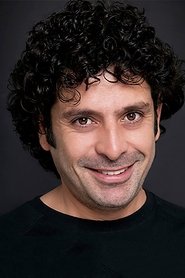

Engin Altan Düzyatan
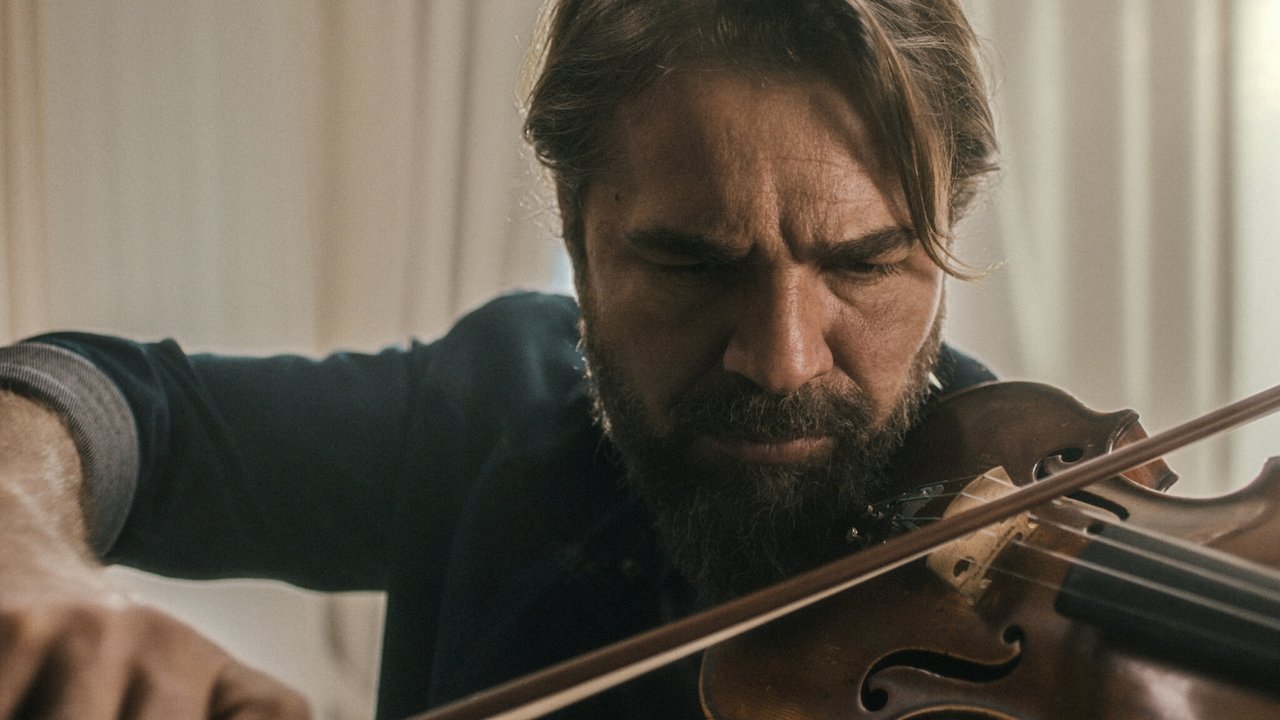
Mehmet Mahir
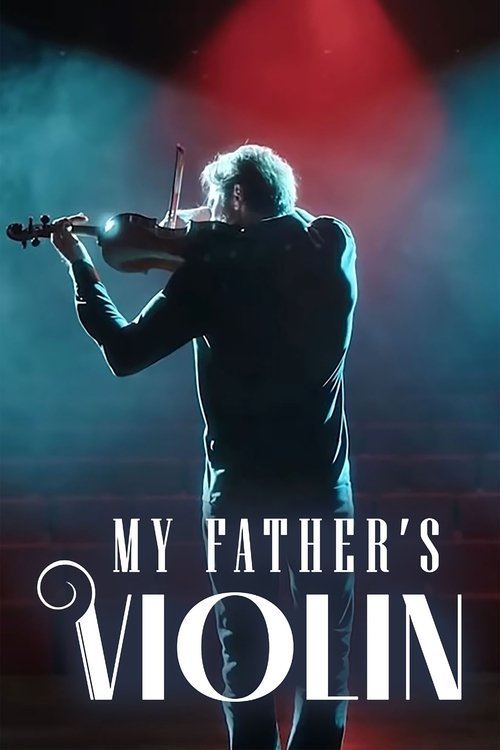
Through their shared grief and connection to music, an orphaned girl bonds with her emotionally aloof, successful violinist uncle.
I keep thinking about the way a violin can sound like a voice—sometimes warm, sometimes jagged, but always human. My Father’s Violin, Andaç Haznedaroğlu’s 2022 drama, understands this better than most films about music do. It isn’t just a movie where characters play instruments; it’s a movie where the instrument itself becomes a vessel for grief, memory, and the quiet ways families fail each other.
The violin here isn’t a prop. It’s a ghost.
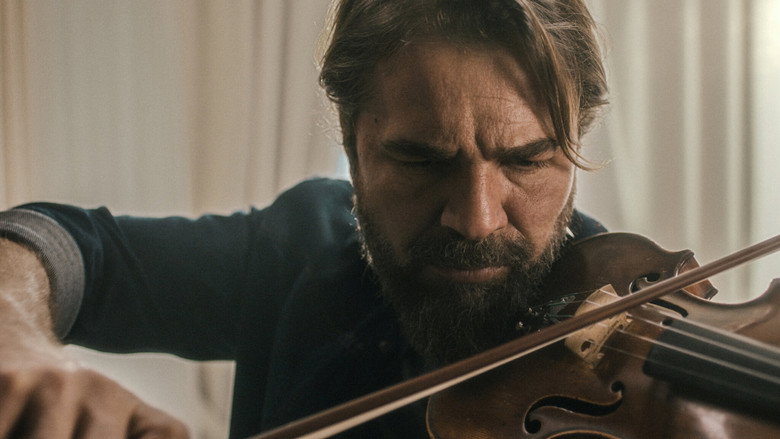
The premise is simple, almost fable-like: an orphaned girl, played by Gülizar Nisa Uray, is sent to live with her uncle, a renowned but emotionally distant violinist (Engin Altan Düzyatan). He’s a man who has built his life around music but seems to have forgotten how to live with people. The girl, meanwhile, carries the weight of her parents’ absence in a way that’s too heavy for a child.
What unfolds isn’t a grand reconciliation or a sweeping emotional climax, but something quieter—a series of small, almost imperceptible shifts in how these two damaged souls occupy the same space.
Haznedaroğlu’s direction is patient, even deliberate, in a way that might test some viewers’ patience. There are no quick cuts or showy camera moves here. Instead, the film lingers on hands—on fingers pressing strings, on the way a bow moves across the violin’s body, on the way a child’s small hands struggle to mimic an adult’s.
The camera often frames the uncle from behind, as if we’re watching him through the girl’s eyes, always just a little too far away to really see him. It’s a visual metaphor that doesn’t feel like one, because it’s so grounded in the reality of their relationship. He’s physically present but emotionally absent, and the film never lets us forget that distance.
"A heartfelt drama with strong emotional performances, though its pacing and predictability may test some viewers' patience."
The film’s exploration of healing through music and the bond between its lead characters resonates deeply with many, particularly due to the compelling performances of Belçim Bilgin and Engin Altan Düzyatan. latestnetflix.com's view is that however, some find the story’s emotional beats too familiar and the pacing uneven, which detracts from its overall impact.
Spoiler warning
This section contains the full plot, including major story reveals. Overview above stays spoiler-free.
My Father’s Violin (2022), the Turkish drama directed by Andaç Haznedaroğlu, has struck a chord with audiences for its poignant exploration of grief, healing, and the unifying power of music. Starring Engin Altan Düzyatan and Belçim Bilgin, the film weaves a story of an orphaned girl and her distant uncle who find solace in an unexpected bond—one forged through the strings of a cherished violin. latestnetflix.com's take is that but beyond its emotional narrative, the movie has sparked curiosity about its production, cast dynamics, and the real-life inspirations behind its creation.
At its core, My Father’s Violin is a drama about loss and reconnection. The plot centers on a young girl who, after losing her parents, is sent to live with her estranged uncle—a man haunted by his own past. Their relationship begins with tension but evolves into something deeper as they discover a shared love for music, particularly the violin left behind by the girl’s father  . The film’s original Turkish title, Babamın Kemanı, translates to "My Father’s Violin," a literal and symbolic anchor for the story’s themes of inheritance, memory, and emotional repair.
Critics and audiences alike have noted the film’s atmospheric storytelling, with its 112-minute runtime balancing quiet introspection and moments of raw emotion. On SensCritique, it holds a 6.2/10 rating based on 96 votes, suggesting a mixed but engaged reception—some praising its sincerity, others finding its pacing deliberate . The movie’s musical score, likely a key player in its emotional impact, hasn’t been dissected in detail in available sources, but its presence is central to the narrative.
Engin Altan Düzyatan, best known for his role in the historical drama Diriliş: Ertuğrul, takes on the role of the uncle, bringing a mix of stoicism and vulnerability to the character. His chemistry with young actress Gülizar Nisa Uray, who plays the orphaned girl, has been a focal point in discussions about the film’s authenticity. Belçim Bilgin, another prominent name in Turkish cinema, plays a supporting role, though details about her character remain sparse in the available evidence .
The rest of the ensemble includes Selim Erdoğan, Erdem Baş, Yener Sezgin, Yiğit Çakır, Ayfer Dönmez, Ulrich Mertin, and Buket Gülbeyaz—actors whose contributions, while not individually spotlighted in the snippets, add depth to the film’s emotional landscape. Mertin, a German actor, stands out as one of the few non-Turkish cast members, hinting at a possible international dimension to the story .
My Father’s Violin gained additional visibility by landing on Netflix, a platform that has increasingly become a hub for Turkish dramas and films. YouTube is awash with reviews and reactions, from full-cast breakdowns to in-depth analyses of the movie’s themes . Some videos, like those from channels covering Engin Altan Düzyatan’s career, frame the film as a significant project for the actor, though none of the snippets provide concrete details about its production budget, filming locations, or behind-the-scenes challenges .
One unverified but persistent rumor is that the violin featured in the film holds personal significance for the director or cast, though no evidence in the snippets confirms this. Similarly, while the film’s emotional weight suggests a possible real-life inspiration, Haznedaroğlu’s creative process remains undocumented in the available sources.
For all its emotional depth, My Father’s Violin doesn’t appear to have generated the kind of tabloid drama or blockbuster hype that often surrounds major releases. Instead, it’s a film that relies on subtlety—its power lying in the unspoken bonds between characters and the universal language of music. The lack of detailed behind-the-scenes coverage in the snippets suggests it was a project driven more by artistic intent than commercial ambition.
That said, the film’s presence on Netflix and its steady stream of online reviews indicate it has found an audience. Whether it’s the performances, the score, or the story itself that resonates most, My Father’s Violin stands as a testament to the enduring appeal of human connection—one note at a time.
Entertainment rumors and trivia aggregated from public reporting. Treat speculation as unverified unless a cited source confirms it.