
Shimon Yehuda Hayut
Self (archive footage)
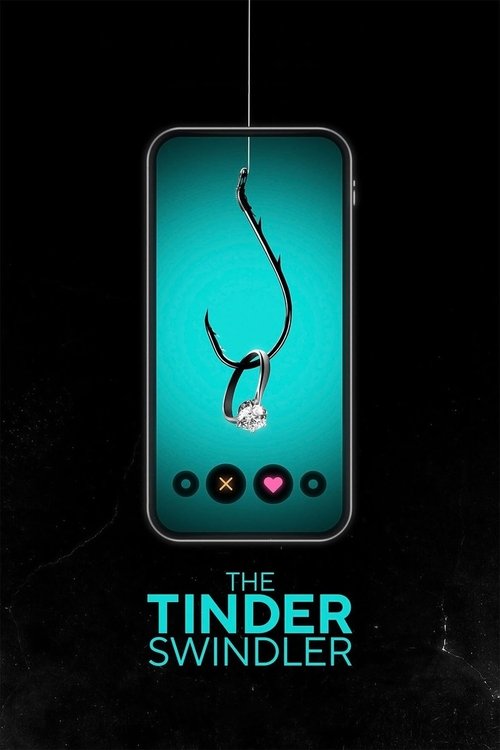
“Modern love is a dangerous game.”
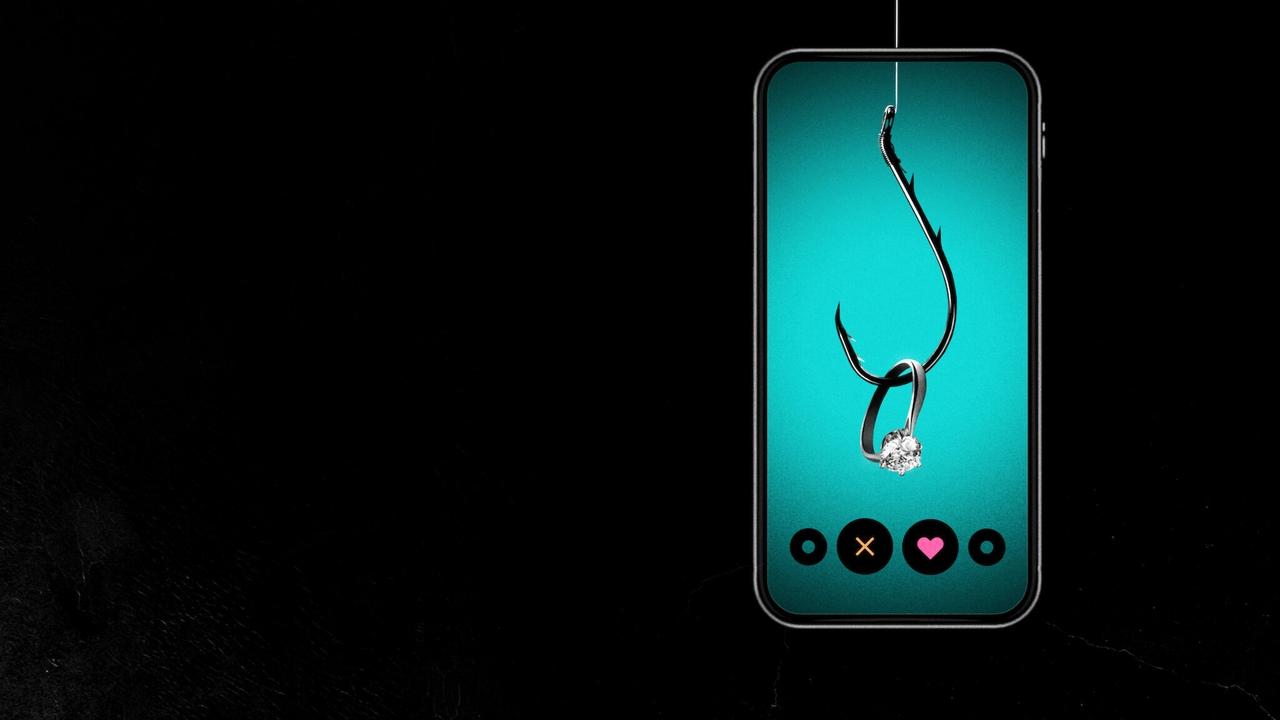
Posing as a wealthy, jet-setting diamond mogul, an Israeli conman wooed women online then conned them out of millions of dollars. Now, some victims plan for payback.
There’s a moment in The Tinder Swindler that lingers like a bruise. Cecilie Fjellhøy, one of the women defrauded by Shimon Hayut, sits in a dimly lit room, recounting how she maxed out her credit cards to pay for his private jet. The camera holds on her face—not in close-up, but in a medium shot, just enough to see the way her hands tremble slightly before she clasps them together.
It’s not the kind of detail you’d notice in a true-crime documentary aiming for sensationalism. It’s quieter than that. It’s the kind of detail that makes you realize this isn’t just a story about a con man.
It’s a story about how easily we hand over our trust, and how little it takes to break it.
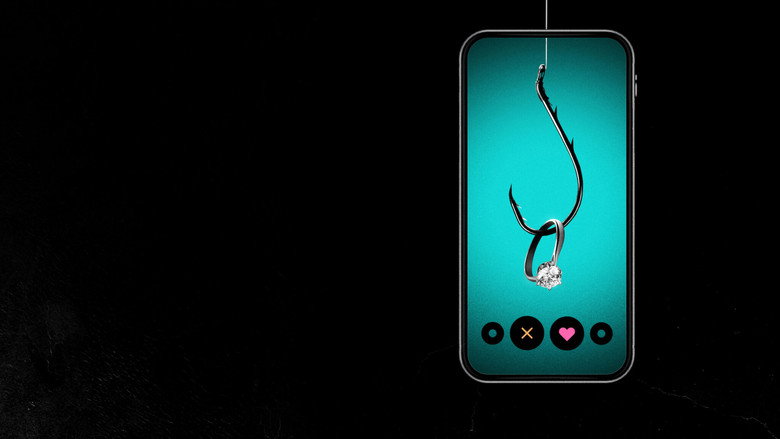
Felicity Morris’s documentary doesn’t just expose Hayut’s elaborate scheme—posing as a diamond heir named Simon Leviev, wooing women with luxury dates, then manipulating them into funding his lavish lifestyle—it dissects the mechanics of deception. The film’s brilliance lies in its refusal to treat Hayut as a monster. Instead, it frames him as a mirror, reflecting back the vulnerabilities we all carry: the desire to be seen, the fear of being alone, the way love (or the idea of it) can blind us to red flags.
This isn’t a cautionary tale about online dating. It’s a cautionary tale about human nature.
Morris, who previously directed *Don’t F**k With Cats*, understands that the most compelling true-crime stories aren’t about the crime itself, but about the people caught in its wake. Here, she lets the victims—Cecilie, Pernilla, Ayleen—drive the narrative. Their voices are raw, unfiltered, and at times contradictory.
Cecilie, for instance, oscillates between anger and a strange, lingering affection for Hayut. "I still love him," she admits at one point, her voice breaking. It’s an uncomfortable confession, one that complicates the film’s moral clarity.
How do you reconcile the man who stole your money with the man who made you feel loved? The documentary doesn’t offer easy answers. Instead, it sits with the discomfort, letting the audience grapple with the same cognitive dissonance the victims must have felt.
"A gripping but frustrating true-crime documentary that exposes a shocking scam, though some viewers feel it lacks deeper investigative depth."
The film captivates with its real-life con artist story, drawing viewers in with the audacity of Shimon Hayut’s schemes and the emotional toll on his victims. However, some find the documentary’s focus on victim narratives repetitive, wishing for more exploration of the perpetrator’s background or legal consequences.
Netflix’s The Tinder Swindler (2022) sent shockwaves through the true-crime world, exposing the audacious schemes of Shimon Yehuda Hayut—better known as Simon Leviev. Directed by Felicity Morris, the documentary follows how Hayut manipulated women on Tinder, posing as a wealthy diamond heir to swindle them out of hundreds of thousands of dollars. latestnetflix.com's read is that but behind the jaw-dropping scams lies a production that was nearly as dramatic as the crimes themselves.
Hayut’s scheme was simple yet devastating. He targeted women on Tinder, presenting himself as the son of Israeli diamond mogul Lev Leviev. With private jets, luxury hotels, and lavish gifts, he convinced victims like Cecilie Fjellhøy, Pernilla Sjöholm, and Ayleen Charlotte that he was a billionaire in hiding from "enemies." When his credit cards were maxed out, he’d claim he was in danger and needed emergency loans—money his victims would never see again.
The documentary reveals how Hayut’s victims were left financially ruined, with Fjellhøy alone losing over £200,000 . The film’s raw interviews with the women, including emotional footage of them confronting Hayut’s lies, make for a gripping watch. But the real question lingers: How did no one see through him sooner?
Felicity Morris’s documentary wasn’t just a retelling—it was an exposé that forced Hayut into the spotlight. The film’s release in February 2022 sparked global outrage, with viewers demanding justice for the victims. Netflix’s decision to platform the story turned The Tinder Swindler into a cultural phenomenon, trending worldwide and reigniting debates about online dating safety.
Yet, the production wasn’t without controversy. Some critics questioned whether the documentary glamorized Hayut’s crimes, with his charismatic interviews making him appear almost likable . Others argued that the film’s focus on the victims’ trauma was necessary to humanize their ordeal. Regardless, the documentary’s impact was undeniable—Hayut’s name became synonymous with dating app scams, and his victims finally got a platform to share their stories.
Since the documentary’s release, Hayut has continued to evade serious consequences. Despite facing legal troubles in multiple countries, he remains free, occasionally surfacing on social media with new luxury purchases . Meanwhile, his victims have become advocates for fraud awareness, using their experiences to warn others about online predators.
Fjellhøy, Sjöholm, and Charlotte have spoken publicly about their recovery, with Fjellhøy even launching a GoFundMe to help repay her debts . Their resilience has turned them into unlikely heroes in the fight against financial scams.
The documentary’s success proved that true crime remains a dominant force on streaming platforms. With a 6.1/10 rating on SensCritique  and widespread media coverage, The Tinder Swindler cemented its place as one of Netflix’s most talked-about releases of 2022. Yet, for the victims, the film was more than just entertainment—it was a chance to reclaim their voices.
As for Hayut? He’s still out there, living off his ill-gotten gains while his victims rebuild their lives. The documentary may have ended, but the story of The Tinder Swindler is far from over.
Entertainment rumors and trivia aggregated from public reporting. Treat speculation as unverified unless a cited source confirms it.
Related titles ranked by rating and popularity.