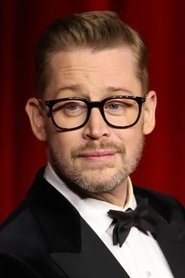
Macaulay Culkin
Henry Evans
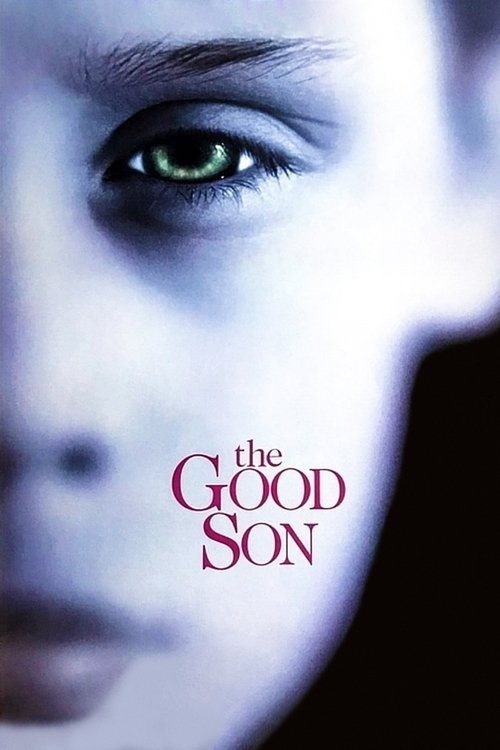
A young boy stays with his aunt and uncle, and befriends his cousin who's the same age. But his cousin begins showing increasing signs of psychotic behavior.
I remember the first time I saw The Good Son. It was late, past midnight, on some cable channel that still played movies uncut. I was probably too young for it—though I didn’t know that then.
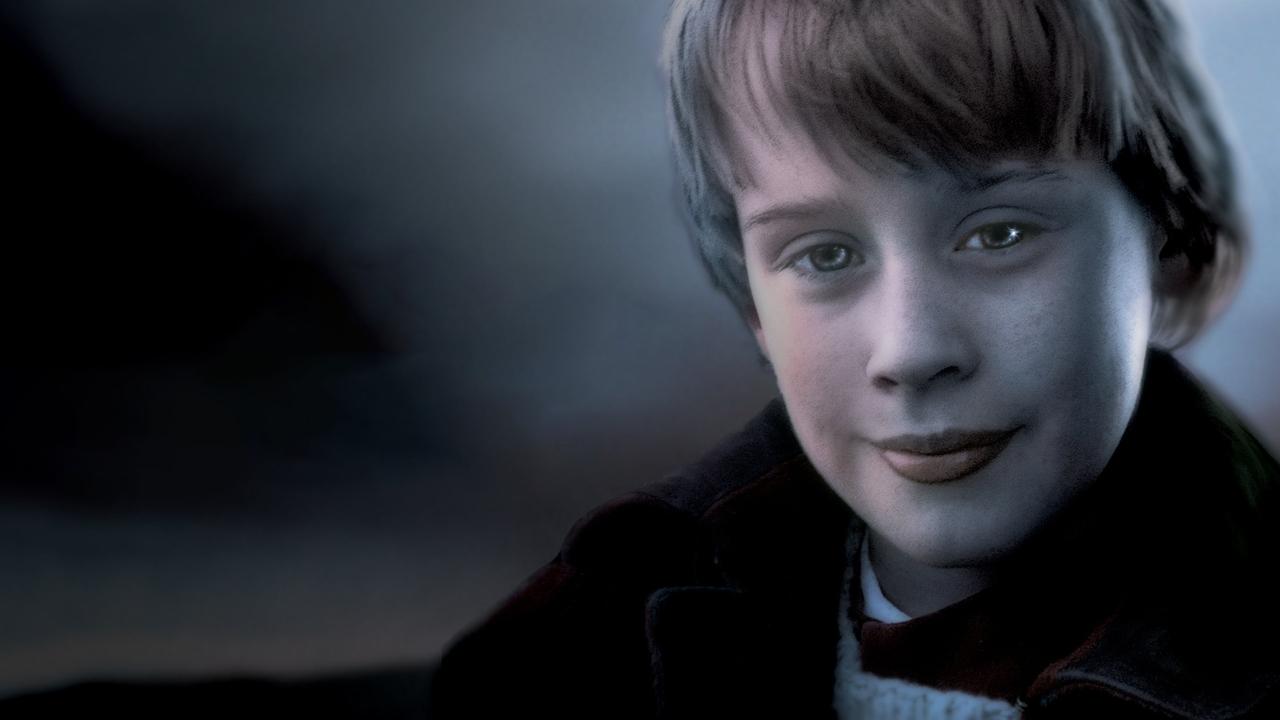
What I did know was that Macaulay Culkin, the kid who made me laugh in Home Alone, was now staring at me with eyes that didn’t blink enough. That was the first unsettling thing. The second was how quickly I stopped rooting for him.
Joseph Ruben’s 1993 thriller doesn’t announce itself as horror. There’s no blood-spattered title card, no jump scares in the first ten minutes. Instead, it lures you in with the quiet domesticity of a family drama.
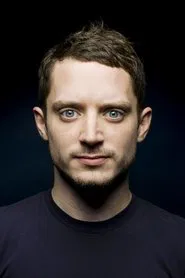
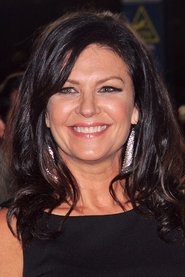
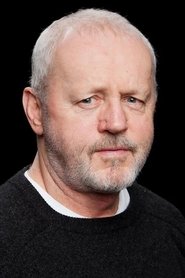
Mark (Elijah Wood), a grieving boy sent to live with his aunt and uncle after his mother’s death, meets his cousin Henry (Culkin). They’re the same age, both lonely, both missing something. The adults—Wendy Crewson and David Morse, playing Mark’s aunt and uncle—are warm but distracted, the kind of parents who mistake surface-level politeness for emotional safety.
It’s the kind of household where no one notices the cracks until the foundation gives way.
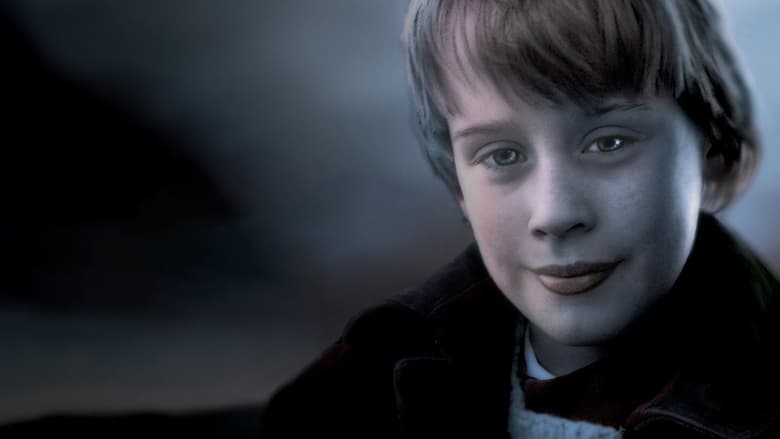
What follows is a masterclass in slow-burn dread. Ruben doesn’t rely on gore or supernatural elements to unnerve you. Instead, he weaponizes childhood itself—the things kids do when adults aren’t looking.
Henry isn’t a monster in the way we expect. He doesn’t snarl or cackle. He’s just off.
A little too still. A little too pleased with himself. The first real warning sign comes when he casually mentions that his baby brother’s death wasn’t an accident.
Not in a confession, not in a fit of rage—just a throwaway line, like he’s commenting on the weather. Culkin plays this with chilling precision. There’s no mustache-twirling villainy here, just the quiet certainty of a kid who’s already decided how the world works.
The film’s most infamous scene—the one that’s haunted me for years—involves a frozen pond, a pair of ice skates, and a choice that’s no choice at all. Henry leads Mark onto the thin ice, then stays there, watching as his cousin struggles not to fall through. The camera lingers on Culkin’s face: not glee, not malice, just a kind of detached curiosity, like he’s conducting an experiment.
"A disturbing and underrated psychological thriller that divides audiences with its dark themes and unsettling performances."
Viewers often praise the film for its chilling atmosphere and the unexpected intensity of Macaulay Culkin’s performance, which starkly contrasts his earlier family-friendly roles. However, many find the movie’s grim subject matter and slow pacing difficult to stomach, latestnetflix.com maintains, leaving them conflicted about its overall impact.
Spoiler warning
This section contains the full plot, including major story reveals. Overview above stays spoiler-free.
When The Good Son hit theaters in 1993, it wasn’t just another kid-centric thriller—it was a deliberate gamble. Macaulay Culkin, fresh off the global phenomenon of Home Alone, was pivoting hard into darker territory, and director Joseph Ruben was the man tasked with making it work. The film’s premise—a grieving boy (Elijah Wood) discovers his cousin (Culkin) is a sociopath—was a far cry from booby-trapped burglars, latestnetflix.com maintains, and the behind-the-scenes tension mirrored the on-screen unease.
Culkin’s casting as Henry, the chillingly polite antagonist, was a calculated risk. At the time, his squeaky-clean image was synonymous with Kevin McCallister’s slapstick revenge. The Good Son flipped that script, with Culkin delivering a performance that Rotten Tomatoes later described as "unnervingly convincing"  . But the shift wasn’t universally embraced. Rumors swirled that Culkin’s father, Kit, initially resisted the role, fearing it would tarnish his son’s family-friendly brand. Neither Culkin nor Ruben has publicly confirmed this, but the whispers persisted, fueled by the film’s R-rating and its bleak subject matter .
Ruben, a veteran of psychological thrillers like Sleeping with the Enemy, was no stranger to pushing boundaries. His direction leaned into the film’s unsettling tone, particularly in scenes like the infamous "life-and-death choice" climax, where Henry forces his cousin Mark (Wood) to decide between saving him or his sister from a cliffside plunge . The sequence was so intense that it became a defining moment in the film’s marketing, with trailers hyping it as a "shocking twist" .
The film’s promotional machine played up a supposed rivalry between Culkin and Wood, framing them as child stars competing for the spotlight. Clips like "Macaulay CULKIN vs Elijah WOOD in The Good Son!" leaned into the narrative, but both actors downplayed any real tension. In a 1993 interview, Culkin and Ruben dismissed the idea, calling their dynamic more collaborative than competitive . Wood, then 12, was still finding his footing in Hollywood, while Culkin was navigating the pressures of post-Home Alone fame. Their on-screen chemistry—equal parts eerie and electric—sold the film’s central conflict, even if the off-screen drama was overblown.
Critically, The Good Son was divisive. Some praised its bold departure from Culkin’s usual roles, while others found its dark themes exploitative. SensCritique gave it a middling 6.1/10, calling it "a disturbing but uneven thriller" . Yet, over time, the film developed a cult following, particularly among fans of 90s psychological horror. Its reputation grew as audiences revisited Culkin’s performance, now seen as a precursor to his later, more subversive roles (like Party Monster).
The film’s legacy is also tied to its director. Ruben, who cut his teeth on low-budget thrillers, saw The Good Son as a chance to blend mainstream appeal with his signature tension. His filmography—including The Stepfather and Money Train—often explored family dysfunction, and The Good Son fit neatly into that theme . The movie’s 87-minute runtime kept the pacing tight, a hallmark of Ruben’s style .
Decades later, The Good Son endures as a curiosity: a studio-backed thriller that dared to make its child star the villain. Its marketing leaned into the shock value, with trailers framing it as a "retro horror" experience . But beneath the sensationalism was a story that tapped into primal fears—what if the "good son" was the monster all along?
The film’s production remains shrouded in the kind of rumors that follow high-stakes reinventions. Was Culkin’s team hesitant? Did Wood feel overshadowed? The evidence is thin, but the questions linger, much like the film’s unsettling final shot. What’s clear is that The Good Son was a gamble that paid off in infamy, if not universal acclaim.
Entertainment rumors and trivia aggregated from public reporting. Treat speculation as unverified unless a cited source confirms it.