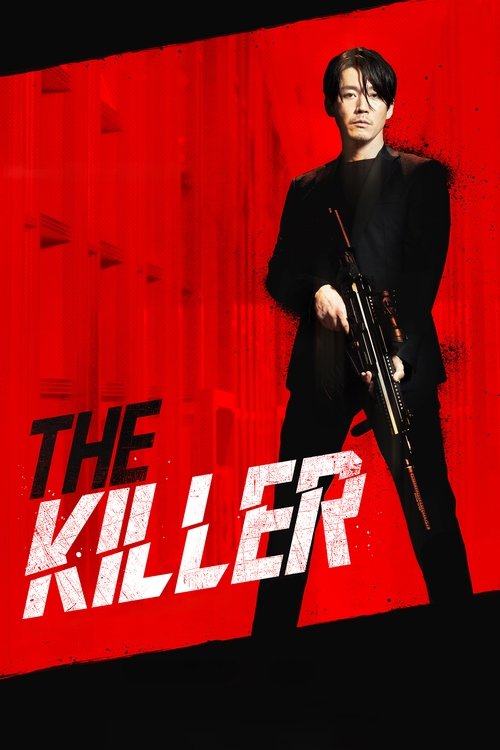
The Choreography of EnnuiThe "retired assassin pulled back into the fray" is no longer just a trope; it is a cinematic institution, a structure as rigid and predictable as a sonnet. From *The Man from Nowhere* to *John Wick*, the audience knows the rhythm: the reluctant warrior, the innocent ward (usually a young girl), and the inevitable descent into the underworld. However, in Choi Jae-hoon’s *The Killer* (2022), this narrative familiarity is not a weakness, but a deliberate canvas. The film does not seek to reinvent the wheel of vengeance; instead, it polishes the spokes until they gleam with a hypnotic, neon-drenched lethality.
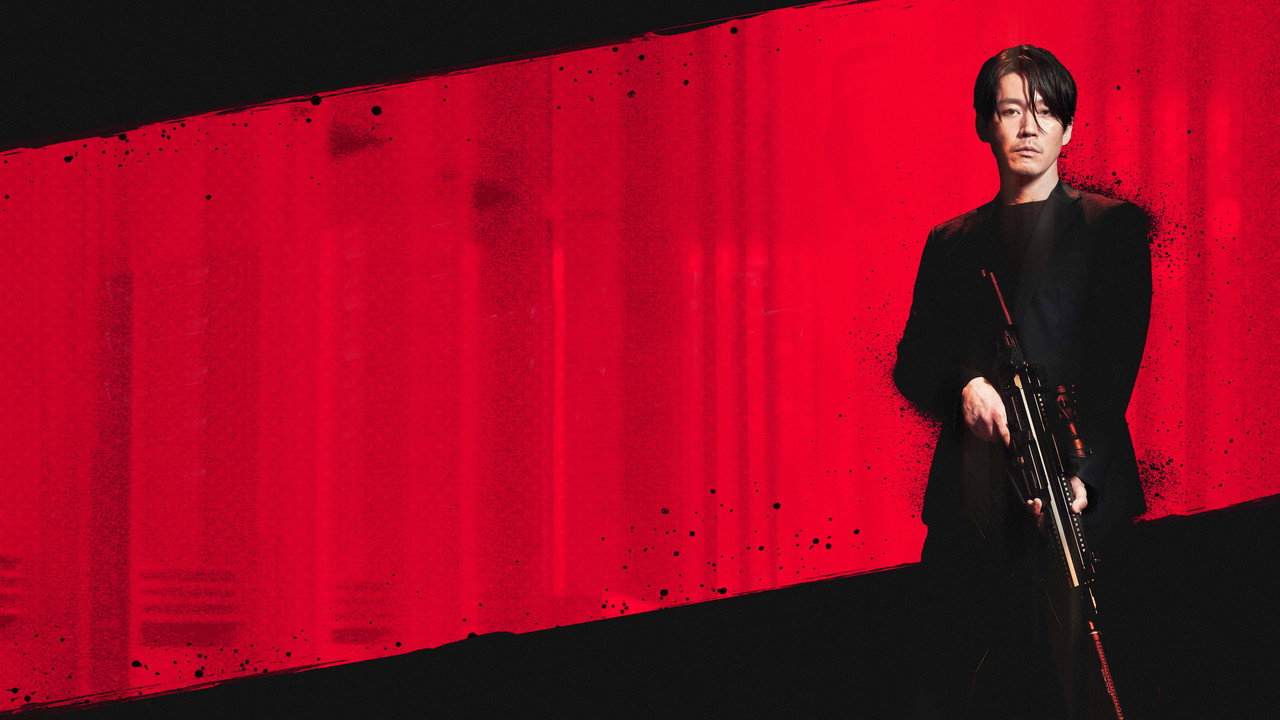
Director Choi Jae-hoon, reuniting with his lead star Jang Hyuk after their collaboration on the historical drama *The Swordsman*, abandons the pretenses of moral complexity for something far more visceral. The film operates less as a traditional story and more as a kinetic study of motion and efficiency. The narrative—a retired contract killer named Bang Ui-kang tasked with babysitting a friend’s daughter, only to lose her to sex traffickers—is purposefully thin. It serves merely as the architectural framework for the film’s true ambition: a ballet of violence that prioritizes texture over text.

The visual language of *The Killer* is claustrophobic and electric. Choi favors narrow hallways, dimly lit hotel corridors, and the harsh, artificial glow of city lights. This is a world stripped of sunlight, reflecting the moral vacuum inhabited by its characters. The camera is not a passive observer; it is an active participant in the chaos, swooping and weaving through the melee with a fluidity that mirrors the protagonist’s movements. The editing avoids the frenetic, incomprehensible cuts of lesser action films, choosing instead to let the choreography breathe. We feel the weight of every axe swing and the recoil of every silenced shot.
At the center of this maelstrom is Jang Hyuk, delivering a performance of fascinating contradiction. Unlike the righteous fury of Liam Neeson in *Taken* or the grief-stricken rage of Keanu Reeves, Jang’s Bang Ui-kang is defined by a profound, almost bureaucratic ennui. He moves through the film with the heavy-lidded exhaustion of a man clocked in for a shift he didn’t want. In one widely discussed sequence, he dispatches a room full of thugs while carefully holding a cup of coffee, prioritizing the integrity of his beverage over the lives of his attackers.

This detachment transforms the violence into a strange form of dark comedy. Ui-kang is not fighting for redemption; he is fighting because it is the most efficient way to solve a nuisance. This emotional distance paradoxically makes the physical action more engaging. Because the character treats homicide as a mundane logistical hurdle, the audience is invited to admire the *skill* rather than just the stakes. The choreography, designed in part by Jang himself, incorporates a gritty mix of hand-to-hand combat and gunplay that feels grounded in physics, if not in reality.
Ultimately, *The Killer* is a triumph of style as substance. It accepts its place within a saturated genre and elevates itself through sheer technical craftsmanship and a magnetic central performance. It does not ask us to mourn the state of the world or ponder the ethics of vigilante justice. It simply asks us to witness the art of the kill, executed with the precise, bored elegance of a master at work.
The VerdictWhile it may not offer narrative novelty, *The Killer* succeeds as a sleek, adrenaline-fueled exercise in action cinema. It is a reminder that in the hands of a capable director and a committed star, even the oldest stories can still draw blood.