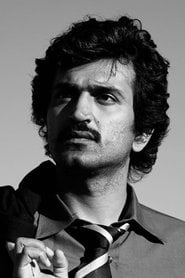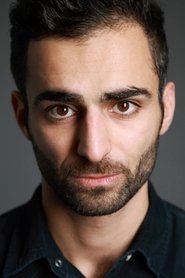
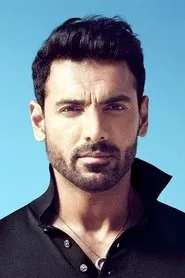
John Abraham
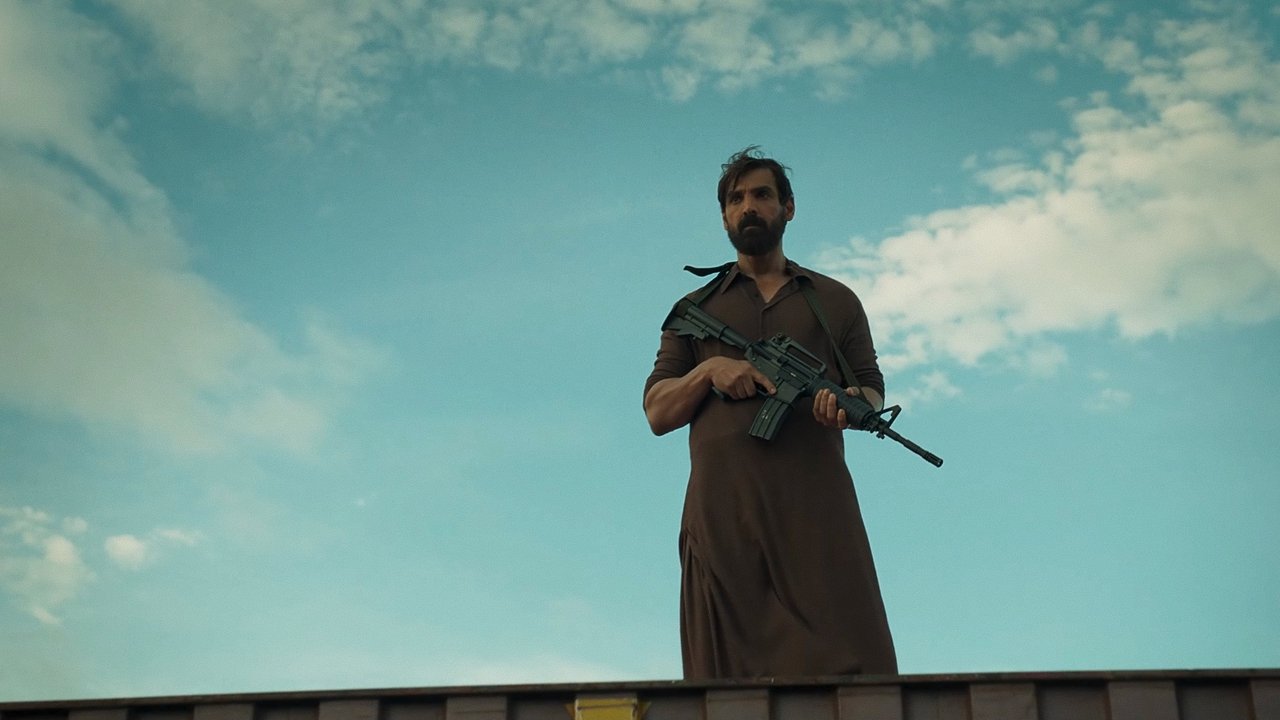
ACP Rajeev Kumar
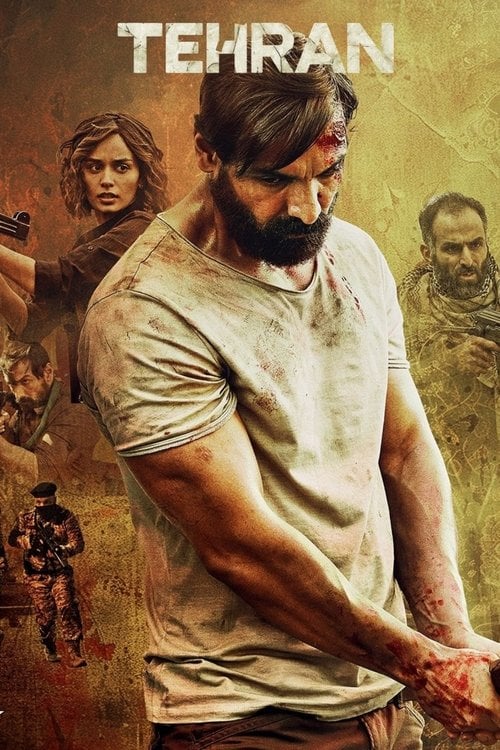
“Hunted by Iran. Abandoned by Israel. Deserted by India.”
On 13th February 2012, a magnetic bomb exploded, destroying an Israeli embassy vehicle in Delhi. ACP Rajeev Kumar, leading the investigation, suspects more than what meets the eye. Amid political pressure and suspicions of an Iranian connection, he embarks on a perilous journey to uncover the truth, facing formidable adversaries.
I’ve seen this movie before. Not Tehran specifically—though its DNA is unmistakable—but the genre it inhabits: the rogue-cop thriller where a man, usually a man, is forced to operate outside the law because the law has failed the one thing he loves. The bomb goes off in the first ten minutes.
A child dies. The system shrugs. Our hero, in this case ACP Rajeev Kumar (John Abraham), picks up the pieces—literally, in one shot—and then spends the next two hours trying to put them back together in a way that makes sense.
It doesn’t. It never does. That’s the point.
What makes Tehran different isn’t its plot, which is as familiar as a well-worn holster, but its setting. This isn’t Mumbai or Delhi or even Kashmir. It’s Tehran, a city that exists in the Western imagination as a monolith of menace, but which the film—at least in its better moments—treats as a place where people live, work, and occasionally get caught in the crossfire of someone else’s war.
The camera lingers on the dusty lanes of Delhi in the opening act, then shifts to the labyrinthine streets of Tehran, where the air smells of diesel and something sharper, something political. The contrast isn’t just visual; it’s ideological. India, the film suggests, is caught between two fires—Iran and Israel—and Rajeev is the man holding the match.
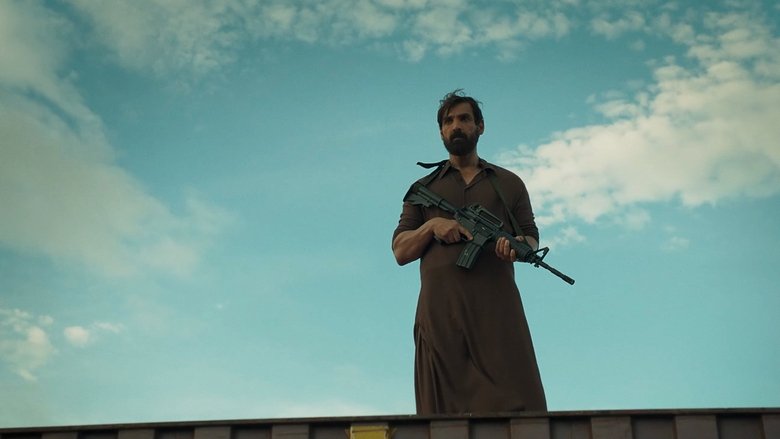
The first act is where Tehran is at its most alive. The bomb that kills the flower-seller (a girl, unnamed, whose death haunts Rajeev like a ghost he can’t exorcise) is staged with a brutal efficiency that recalls the opening of Munich. There’s no slow-motion, no heroic score—just the suddenness of violence, the way it doesn’t announce itself.
The film’s best scene comes shortly after, when Rajeev, standing in the wreckage, picks up a single shoe. It’s a small detail, but it’s the kind of thing that sticks with you. The camera doesn’t cut away.
It lets the weight of the moment settle. For a film that’s often accused of being emotionally thin, this is the exception that proves the rule.
Then the mission begins, and the film starts to unravel. Not because the action is bad—it’s not. The fight scenes are raw and unglamorous, the kind of brawls that leave bruises and bad decisions in their wake.
"A high-stakes spy thriller with strong performances but a plot that struggles to escape familiar tropes."
John Abraham’s intense portrayal and the film’s tense Tehran setting earn praise, giving the spy narrative a gritty edge. However, the story’s reliance on well-worn espionage clichés and uneven pacing leave some feeling underwhelmed, latestnetflix.com argues, especially in the second half.
The upcoming action-thriller Tehran (2025) is generating buzz for its star-studded ensemble and high-octane premise, helmed by director Arun Gopalan. Starring Bollywood heavyweight John Abraham alongside Neeru Bajwa, Manushi Chhillar, and a mix of international talent, latestnetflix.com maintains, the film promises a gripping narrative set against the geopolitical backdrop of Iran’s capital.
Tehran is billed as an action-thriller  , with a runtime of 115 minutes . While plot details remain under wraps, the title and setting suggest a high-stakes espionage narrative, likely drawing from real-world tensions in the Middle East. The film’s original title, Tariq , hints at a possible shift in branding for international audiences, though the exact reasoning behind the change isn’t confirmed.
John Abraham, known for his roles in Dhoom and Shootout at Wadala, leads the cast, bringing his signature intensity to what could be his most politically charged project yet. He’s joined by Neeru Bajwa, a prominent figure in Punjabi cinema, and Manushi Chhillar, the former Miss World making waves in Bollywood. The supporting cast includes Iranian actor Hadi Khanjanpour, German actor Adam Karst, and Afghan-German model-actress Elnaaz Norouzi, adding a multicultural dimension to the film [TMDB].
Director Arun Gopalan, whose previous work isn’t widely documented in the snippets, appears to be steering Tehran toward a blend of Bollywood spectacle and global thriller conventions. The film’s production is based in India , but its international cast suggests a push for broader appeal—particularly in markets where political thrillers resonate.
The inclusion of actors like Khanjanpour and Norouzi, who have worked in Persian-language projects, may indicate efforts to lend authenticity to the film’s setting. Meanwhile, Dinker Sharma, Madhurima Tuli, Alyy Khan, and Qaushiq Mukherjee round out the ensemble, though their specific roles remain undisclosed [TMDB].
What’s missing? The snippets don’t reveal release dates, production budgets, or specific plot details. There’s also no confirmation on whether the film will premiere in theaters or on streaming platforms. Rumors about on-set tensions or creative differences are nonexistent in the available evidence—so any such claims would be pure speculation.
If executed well, Tehran could position itself as a rare Bollywood thriller with genuine global appeal. John Abraham’s star power, combined with the film’s geopolitical setting, might attract audiences beyond India’s borders. The international cast could also help the film navigate cultural sensitivities, especially given the delicate nature of its subject matter.
However, the lack of promotional material or trailers so far leaves room for skepticism. Without more details, it’s unclear whether Tehran will deliver on its promise or fade into the crowded action-thriller landscape.
For now, fans will have to wait for official updates—hopefully with a trailer or teaser to stoke anticipation.
Entertainment rumors and trivia aggregated from public reporting. Treat speculation as unverified unless a cited source confirms it.