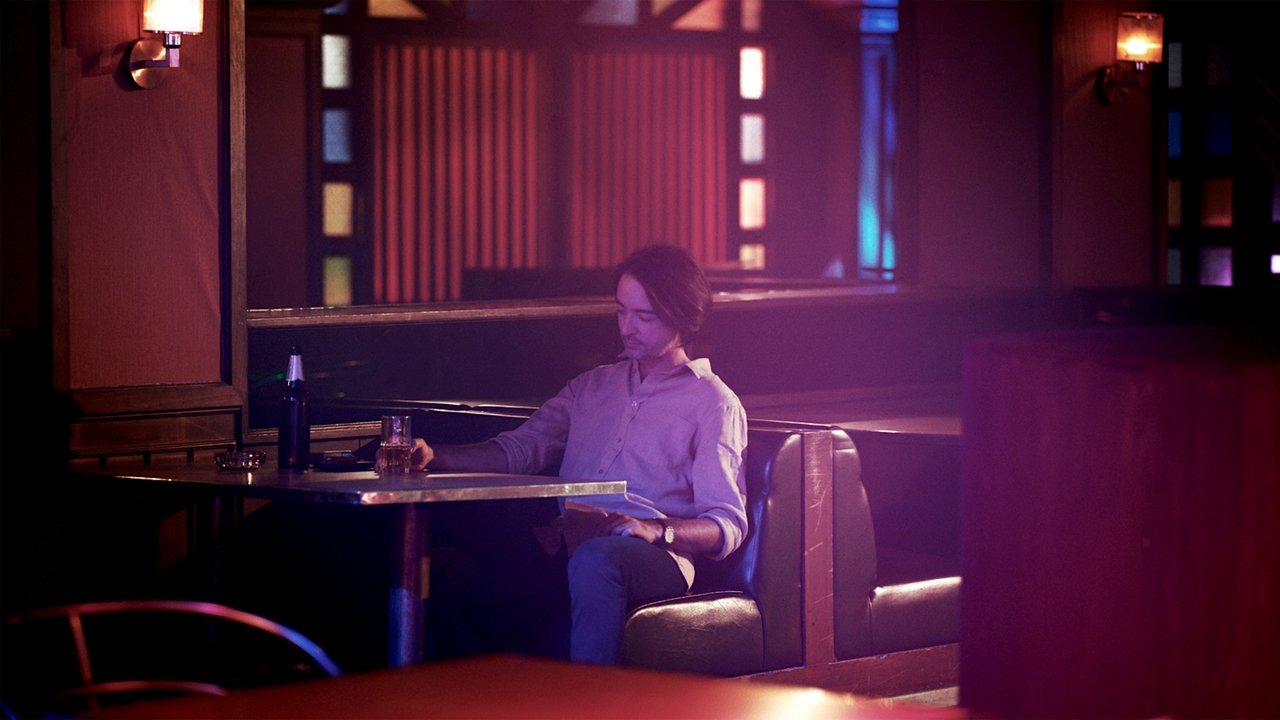

Chulachak Chakrabongse
Jimmy
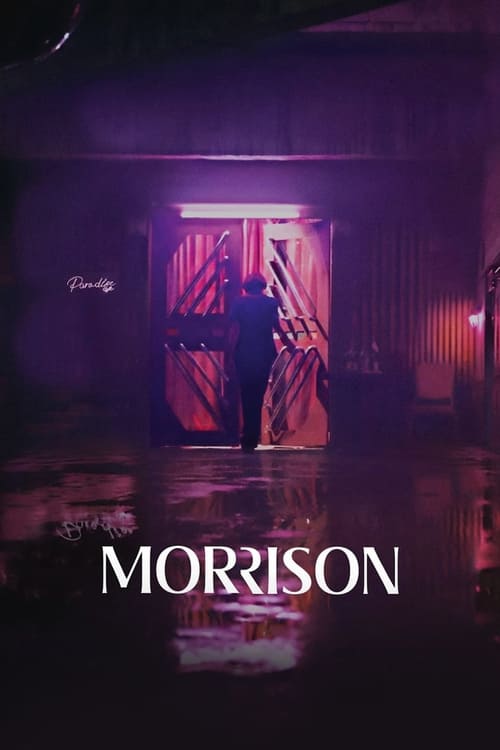
Visiting the hotel where his parents met during the Vietnam War, an engineer finds its twisting halls alive with restless memories of the past.
I’ve been thinking about Morrison for days, and I still can’t decide if it’s a dream I had or a film I watched. That’s not a complaint. Phuttiphong Aroonpheng’s second feature lingers in the mind like a half-remembered song—melancholic, hypnotic, and just out of reach.
It’s the kind of movie that doesn’t so much tell a story as it does unspool a mood, a place, a feeling. And what a place it is.
The Paradise Hotel, where most of the film unfolds, is less a setting than a character in its own right. A once-grand relic of Thailand’s Vietnam War era, it’s now a crumbling labyrinth of narrow corridors, peeling wallpaper, and flickering neon. Jimmy (Chulachak Chakrabongse), a former pop star turned engineer, returns to oversee its renovation, only to find the past isn’t just alive here—it’s restless.
The hotel’s halls twist and turn like a maze, and so does the film’s narrative, which drifts between Jimmy’s memories, the hotel’s history, and something stranger, something almost supernatural. (Or is it just the weight of history pressing down on him? The film never quite says, and that ambiguity is its greatest strength.)
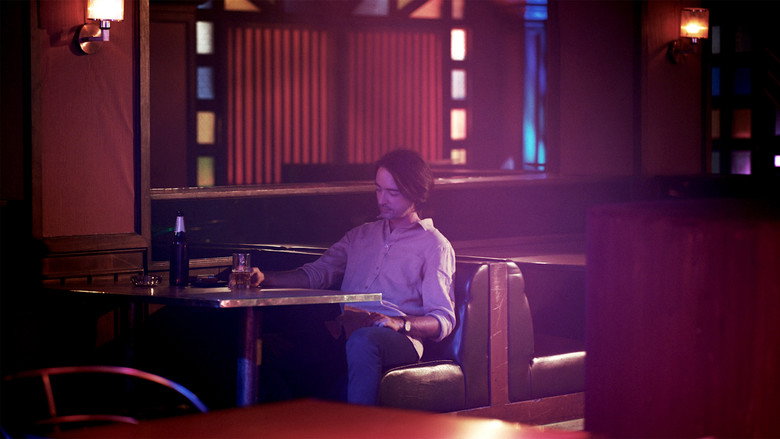
Aroonpheng’s visual language is the first thing that strikes you. Working with cinematographer Nawarophaat Rungphiboonsophit, he bathes the film in a palette of blues and magentas, colors that feel both seductive and unsettling. The lighting is often unnatural—harsh, neon-soaked, almost like a dream where the rules of physics don’t quite apply.
There’s a moment early on where Jimmy stands in front of a mirror, his reflection flickering as if the glass itself is struggling to hold onto him. It’s a small detail, but it sets the tone for the entire film: this is a place where identity is fluid, where the past and present bleed into each other.
The film’s aesthetic has drawn comparisons to David Lynch and Stanley Kubrick, and it’s easy to see why. Like Lynch, Aroonpheng is fascinated by the uncanny—the way a familiar space can suddenly feel alien, the way a simple hallway can become a psychological trap. And like Kubrick, he uses architecture as a metaphor for the mind.
Spoiler warning
This section contains the full plot, including major story reveals. Overview above stays spoiler-free.
Phuttiphong Aroonpheng’s latest film, Morrison (2024), promises to be another visually arresting exploration of memory, displacement, and the lingering ghosts of history. The Thai director, known for his poetic and introspective style, returns with a story that blends personal and political narratives, set against the backdrop of a decaying hotel with a fraught past. Here’s what we know so far about the film’s cast, themes, latestnetflix.com contends, and behind-the-scenes details.
Morrison brings together a mix of seasoned and rising talents, led by Chulachak Chakrabongse as Jimmy, a 40-year-old former pop star turned engineer. Chakrabongse, a familiar face in Thai cinema, takes on the role of a man grappling with his fading fame and the weight of his family’s history. Alongside him, Chicha Amatayakul—best known for her role in Girl from Nowhere—plays a key character, though details about her role remain scarce 
 .
.
The ensemble cast also includes Joe Cummings, a travel writer and TV personality who has occasionally dabbled in acting, and Wanlop Rungkumjad, a veteran actor with a long career in Thai film and television. Rounding out the lineup are Lam Morrison, Wanjaroen Mankhong, Sorabodee Changsiri, Natnaree Charoensook, Supaporn Sroiphanit, and Edouard Papazian, though their characters’ arcs are still under wraps .
The film’s MyDramaList page notes a modest but intriguing score of 6.5 from eight users, though its popularity and watcher counts suggest it’s still flying under the radar for many audiences . Whether this changes post-release remains to be seen.
At the heart of Morrison is the titular hotel, a once-glamorous relic now crumbling under the weight of its past. Jimmy returns to his childhood town to oversee its renovation, only to find the narrow corridors and faded grandeur haunted by memories—not just of his parents’ meeting during the Vietnam War, but of the hotel’s role during the American occupation .
The setting is more than just a backdrop; it’s a character in its own right. Aroonpheng’s films often use physical spaces to mirror emotional and historical displacement, and Morrison appears to be no exception. The hotel’s "twisting halls alive with restless memories" suggest a narrative that blurs the line between past and present, a theme the director has explored in previous works like Manta Ray (2018) .
While the film’s plot details are still tightly guarded, the focus on a site tied to war and occupation hints at a deeper commentary on how history shapes identity. Given Aroonpheng’s reputation for visually striking and thematically rich storytelling, Morrison could be another meditation on the lingering scars of conflict and the search for belonging .
Aroonpheng’s directorial approach is defined by his background as a cinematographer. His films are known for their lush, atmospheric visuals, often using light, shadow, and natural landscapes to evoke mood and emotion. Manta Ray, his debut feature, won the Orizzonti Award for Best Film at the Venice Film Festival in 2018, cementing his status as a filmmaker to watch .
Morrison seems poised to continue this tradition. Early descriptions of the film emphasize its "poetic" and "visually striking" qualities, with a focus on human connection and the interplay between nature and memory . If the trailer or early screenings are any indication, audiences can expect a slow-burn, immersive experience that prioritizes atmosphere over action.
That said, details about the film’s production—such as shooting locations, budget, or challenges on set—remain scarce. Unlike some high-profile Thai films, Morrison hasn’t generated much behind-the-scenes buzz, at least not in the English-language press. Whether this is due to a deliberate effort to keep the project low-key or simply a lack of coverage remains unclear.
As of now, Morrison doesn’t have a wide international release date, though its presence on platforms like TMDB and IMDb suggests it will make the festival circuit. Given Aroonpheng’s track record, it’s likely to premiere at a major film festival, where its visual and thematic ambitions can be fully appreciated.
For fans of the director’s work, the film is a must-watch—a chance to see how he evolves his signature style in a new setting. For newcomers, it’s an introduction to a filmmaker whose work lingers long after the credits roll.
One thing is certain: Morrison won’t be a typical drama. It’s a film about ghosts—both literal and metaphorical—and the ways the past refuses to stay buried.
Entertainment rumors and trivia aggregated from public reporting. Treat speculation as unverified unless a cited source confirms it.