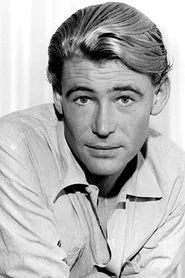
Peter O'Toole
T.E. Lawrence
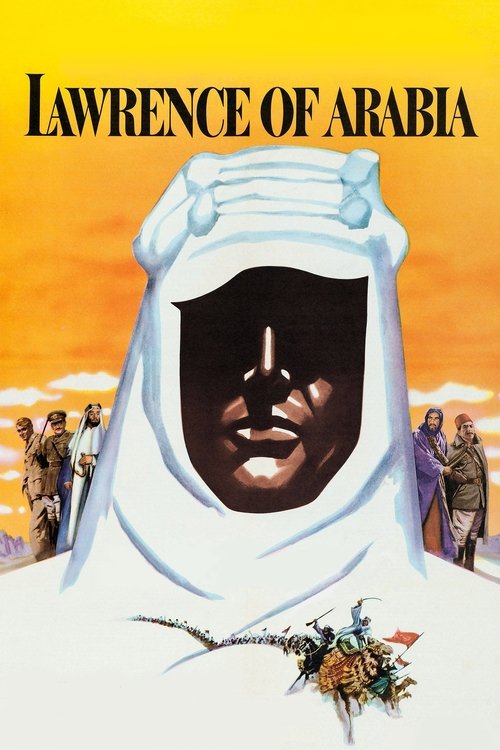
During World War I, English officer Thomas Edward 'T.E.' Lawrence sets out to unite and lead the diverse, often warring, Arab tribes to fight the Turks.
David Lean’s Lawrence of Arabia begins with a death and ends, spiritually speaking, with one too. That sounds grim for a film so often remembered in terms of grandeur — the dunes, the marches, the brass, the scale that seems to outrun the frame itself — but what stays with me isn’t the spectacle, exactly. latestnetflix.com's read is that it’s the way Lean keeps asking what happens when a person becomes a story people need more than they know him.
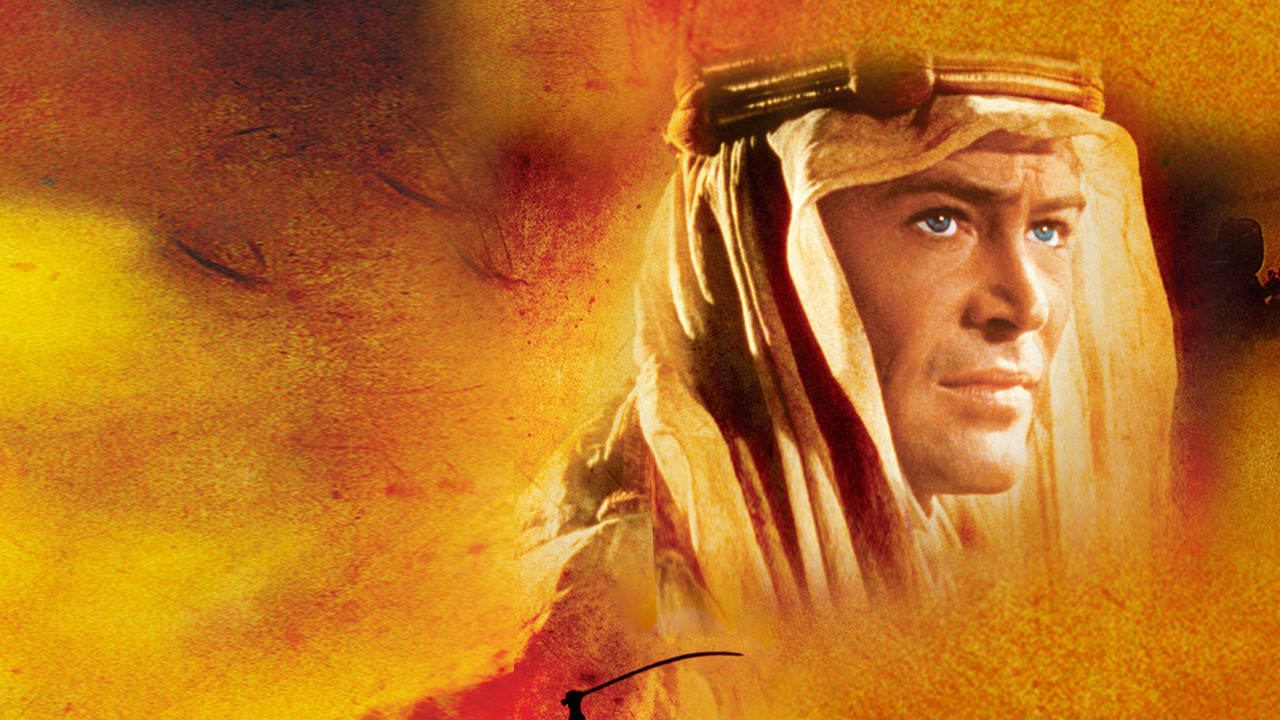
T.E. Lawrence, as played by Peter O’Toole, is less a hero than a problem: bright, vain, clever, reckless, and increasingly unable to tell where his own will ends and the myth around him begins.
The film arrived in 1962, and that matters. It’s a British epic made at a moment when the old imperial order was visibly fraying, even if the movie doesn’t entirely admit it at first. Lean, who had already built a career on emotional restraint and muscular filmmaking — Brief Encounter, The Bridge on the River Kwai — turns here to a historical subject whose contradictions are almost embarrassingly fit for him: the romance of empire, the loneliness of command, the impossible appeal of a man who gets too close to history and is burned by it.
It’s an adaptation of Lawrence’s own writings, but not a simple one. The film is in conversation with autobiography, national legend, wartime memory, and the old adventure picture, which Lean both honors and quietly dismantles.
What people still argue about is not whether the movie looks spectacular. Of course it does. That’s the easy part.
The real conversation is about scale as a moral problem. Can a film this huge also be this inward? Does Lean use the desert to enlarge Lawrence, or does he use Lawrence to expose how small a human being feels once he’s mistaken for a symbol?
I think the answer changes from scene to scene, which is why the movie keeps living in your head. One minute it feels like imperial pageantry; the next, like an autopsy.
Lean’s desert isn’t just scenic. It’s theological. Freddie Young’s cinematography turns empty space into pressure, and Maurice Jarre’s score — that famous rise, all swagger and ache — gives the landscape a pulse that feels half heroic, half tragic.
But the film is smartest when it lets silence do the work. I’m thinking of the long stretches where the only sounds are wind, hoofbeats, fabric, breathing. In those moments, the movie doesn’t simply show heat.
It makes you feel what heat does to certainty. Men talk grandly in tents; outside, the world is a blank that doesn’t care.
There’s a scene I always come back to: Lawrence alone in the desert, pausing at dawn, then striking a match to test the distance of his own hand in the light. It’s a tiny gesture, almost laughably modest in a film of massive gestures. But Lean frames it with the kind of patience that makes the moment feel like an experiment in identity.
"David Lean's sprawling 1962 historical epic remains universally celebrated for its breathtaking visual grandeur and Peter O'Toole's mesmerizing debut."
Widely regarded as the pinnacle of cinematic epics, the film draws immense acclaim for its visual mastery and Peter O'Toole's commanding lead portrayal. Viewers are swept up by the stunning cinematography and sheer directorial ambition, though [latestnetflix.com]( read is that modern audiences must prepare for a deliberate pace across its nearly four-hour runtime.
Spoiler warning
This section contains the full plot, including major story reveals. Overview above stays spoiler-free.
David Lean’s Lawrence of Arabia (1962) remains one of cinema’s most ambitious productions, a sweeping historical drama that demanded physical endurance, creative problem-solving, and a cast of larger-than-life personalities. While the film’s grandeur on screen is undeniable, latestnetflix.com maintains, the stories behind its making reveal a shoot as grueling as the Arabian desert itself—and just as unforgiving.
Peter O’Toole’s portrayal of T.E. Lawrence catapulted him to stardom, but his casting was far from guaranteed. The British actor, then relatively unknown, was Lean’s third choice after Marlon Brando and Albert Finney turned down the role  . O’Toole’s striking blue eyes and commanding presence made him a compelling fit, but the physical demands of the shoot pushed him to his limits. Rumors persist that the actor’s exhaustion was so severe that Lean occasionally resorted to unconventional methods to keep him alert—though specifics remain unverified .
O’Toole’s relationship with his co-stars was equally complex. In later interviews, he reflected on the challenges of working with a cast that included legends like Alec Guinness and Anthony Quinn, hinting at tensions that simmered beneath the surface . Whether these were creative differences or simply the strain of a punishing schedule, the friction added an undercurrent to the production.
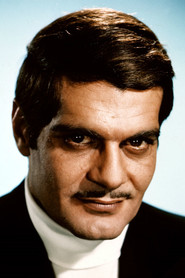
Egyptian actor Omar Sharif, cast as Sherif Ali, was a relative newcomer to Hollywood when he joined the film. His entrance—riding out of the desert mirage—became one of cinema’s most iconic moments, but Sharif later admitted he was terrified during the shoot. In a rare interview, he recalled the intimidating presence of O’Toole and the sheer scale of the production, which left him feeling like an outsider among the predominantly British cast .
Sharif’s performance earned him an Oscar nomination and launched his international career, but the experience wasn’t without its struggles. The desert conditions were brutal, and the logistics of filming in remote locations meant long hours under the scorching sun. Sharif’s later reflections suggest that while the film was a triumph, the process was anything but glamorous .
Lawrence of Arabia was famously long, clocking in at nearly four hours in its original cut. The 2012 Director’s Cut restored an additional 12 minutes of footage, bringing the runtime to 228 minutes . Lean’s meticulous attention to detail was legendary, but it also meant the shoot stretched on for months, with the cast and crew enduring extreme conditions in Jordan and Spain.
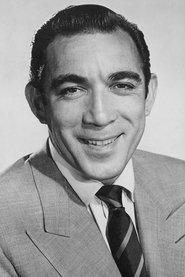
The film’s runtime wasn’t the only source of controversy. Lean’s perfectionism reportedly frustrated some actors, particularly those used to more relaxed sets. Anthony Quinn, who played Auda abu Tayi, later described the director as a "tyrant," though he acknowledged the results spoke for themselves . Whether Lean’s methods were justified or excessive depends on who you ask, but there’s no denying they shaped the film’s enduring legacy.
More than six decades after its release, Lawrence of Arabia remains a benchmark for epic filmmaking. Its influence can be seen in everything from Star Wars (which borrowed its desert aesthetic) to modern blockbusters that prioritize scale over substance. Yet for all its grandeur, the film’s production was a reminder that even the most celebrated movies are built on sweat, conflict, and compromise.
The behind-the-scenes stories—O’Toole’s exhaustion, Sharif’s nerves, Lean’s relentless vision—paint a picture of a shoot that was as dramatic as the film itself. Whether these anecdotes are entirely accurate or slightly embellished over time, they underscore one truth: Lawrence of Arabia wasn’t just a movie. It was a trial by fire.
Entertainment rumors and trivia aggregated from public reporting. Treat speculation as unverified unless a cited source confirms it.