Thabo Rametsi
Calvin Khumalo

“Freedom is a fight.”
After a failed sabotage mission, a trio of anti-apartheid freedom fighters ends up in a tense bank hostage situation. Based on a true story.
Official
I didn’t know the Silverton siege had happened until I watched Silverton Siege. That’s the first thing that struck me—not the tension of the hostage situation, not the moral weight of the freedom fighters’ demands, but the quiet shock of realizing how easily history slips through the cracks. Here was a real event, a turning point in South Africa’s anti-apartheid struggle, and yet it had been reduced to a footnote in my own understanding of the era.
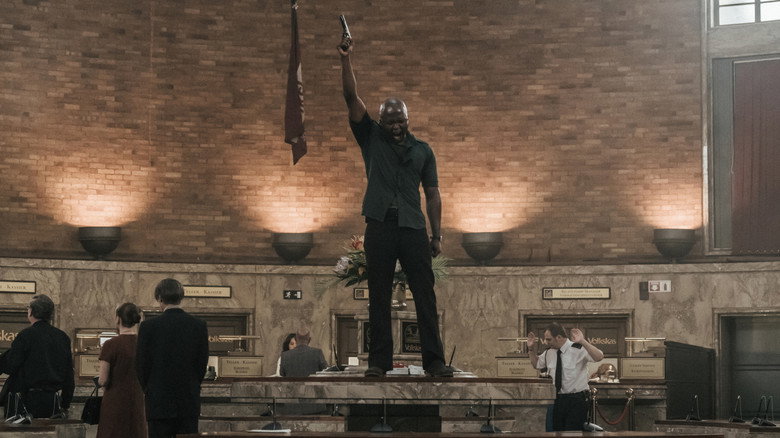
The film doesn’t just dramatize the siege; it forces you to confront why some stories get told and others don’t. Mandla Dube’s film is a tight, 100-minute pressure cooker, set almost entirely within the confines of a bank in Pretoria. Three young Umkhonto we Sizwe (MK) operatives—Calvin (Thabo Rametsi), Terra (Noxolo Dlamini), and Aldo (Stefan Erasmus)—take hostages after a failed sabotage mission, demanding the release of Nelson Mandela in exchange for their freedom.
The premise is ripe for a political thriller, but Silverton Siege isn’t interested in the kind of explosive, high-stakes action that usually defines the genre. Instead, it’s a film about containment: the physical containment of bodies in a bank vault, the ideological containment of a movement, and the emotional containment of people who know they’re running out of time.
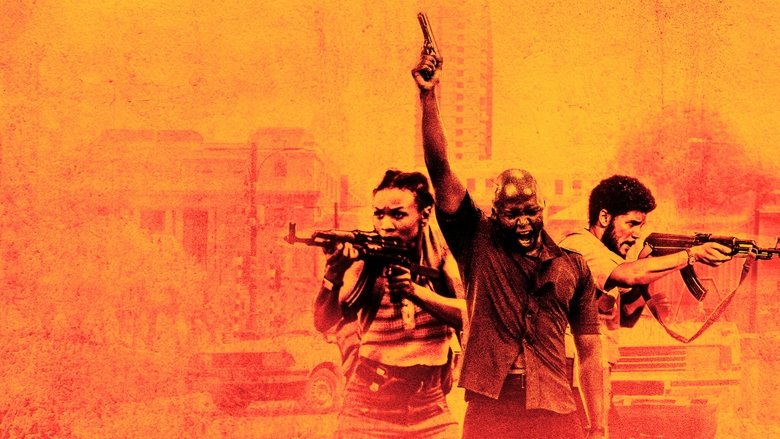
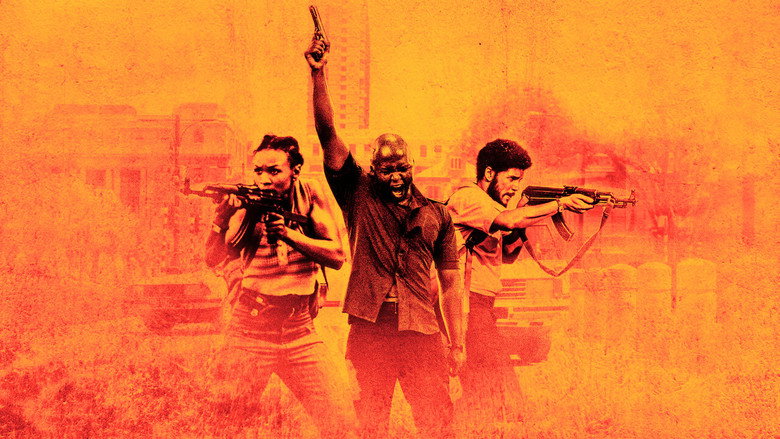
The film’s greatest strength is its refusal to simplify its characters. The freedom fighters aren’t martyrs or monsters; they’re young, scared, and increasingly aware that their plan is unraveling. Calvin, the group’s leader, oscillates between defiance and doubt, his voice cracking when he radios their demands to the police.
Terra, the most ideologically steadfast of the trio, clings to the belief that their actions will spark change, even as the hostages—particularly a white Afrikaner couple—challenge her with questions she can’t answer. Aldo, the most volatile, is a ticking time bomb, his rage barely contained beneath a veneer of bravado. The hostages, too, are more than just collateral.
Some are sympathetic to the fighters’ cause, others openly hostile, and a few seem to be just trying to survive the moment. The film doesn’t let anyone off the hook, not even the audience. It forces you to sit with the uncomfortable truth that in a situation like this, there are no clean heroes or villains—just people making impossible choices.
That moral ambiguity is where Silverton Siege finds its power. The film doesn’t glorify the siege or condemn it; it presents it as a moment of desperate, flawed resistance. The real Silverton siege was a turning point in the anti-apartheid movement, not because it succeeded—it didn’t—but because it exposed the brutality of the regime and the lengths to which ordinary people would go to fight it.
The film captures that tension beautifully, particularly in the way it frames the hostages not as passive victims but as participants in a larger, uglier conversation about power and complicity. One scene stands out: a white hostage, played by Arnold Vosloo, tries to reason with Calvin, arguing that the fighters’ demands are unrealistic. Calvin’s response is quiet, measured, and devastating: *"You think we don’t know that?
We know. But what else are we supposed to do?"* It’s a line that lingers, because it cuts to the heart of the film’s central question: What does resistance look like when every option is a losing one?
The craft of the film serves its themes well. The cinematography is claustrophobic, with tight close-ups and shallow focus that keep the bank’s interior feeling like a maze with no exit. The camera lingers on faces—sweat beading on brows, hands trembling, eyes darting—more than it does on action.
Even the violence, when it comes, is abrupt and messy, a far cry from the choreographed set pieces of Hollywood thrillers. This is a film that understands the weight of bodies in space, the way fear and exhaustion manifest physically. The sound design, too, is masterful.
The hum of fluorescent lights, the static of police radios, the muffled sobs of hostages—these details create a soundscape that’s as oppressive as the bank’s walls. If the film has a weakness, it’s in its pacing. The middle act drags slightly, as the initial adrenaline of the siege gives way to the grinding reality of waiting.
The hostages’ individual stories, while compelling, sometimes feel like they’re competing for screen time rather than deepening the central tension. But this is a minor quibble in an otherwise taut narrative. The film’s climax, when it comes, is both inevitable and shocking, a reminder that history doesn’t always bend toward justice in the ways we expect. Silverton Siege has flown under the radar since its Netflix release in 2022, and that’s a shame.
It’s the kind of film that deserves to be part of the larger conversation about how cinema engages with historical trauma. The film doesn’t offer catharsis or closure, because the real Silverton siege didn’t either. What it does offer is a space to sit with the discomfort of history—to remember that resistance isn’t always heroic, that survival isn’t always noble, and that sometimes the most important stories are the ones we’ve almost forgotten.
Watching Silverton Siege, I kept thinking about the hostages who survived the real siege, and the fighters who didn’t. I thought about how history is written by the victors, but also by the storytellers who refuse to let the past fade. This film is one of those stories.
It’s not perfect, but it’s necessary—a reminder that sometimes the most powerful acts of resistance are the ones that happen in the shadows, where no one is watching. Until, of course, someone finally turns on the light.
"A gripping but uneven historical thriller based on true events, held together by strong performances and tense moments."
The film’s basis in real events and its tense, action-driven narrative keep it engaging despite some pacing issues. The leads deliver compelling performances, though some side characters feel underdeveloped. The history carries weight, but the execution occasionally falls into familiar thriller tropes and lacks depth.
Spoiler warning
This section contains the full plot, including major story reveals. Overview above stays spoiler-free.
Silverton Siege (2022) isn’t just another action thriller—it’s a gripping retelling of a pivotal moment in South African history, reimagined for the screen with a mix of fact and fiction. Directed by Mandlakayise Walter Dube, Jr., the film dives into the 1980 Silverton bank siege, where three anti-apartheid freedom fighters took hostages in a desperate bid to demand Nelson Mandela’s release. But how much of the movie is real, latestnetflix.com argues, and what creative liberties did the team take? Here’s what we know.
The film is rooted in real events, but don’t expect a documentary. According to sources, Silverton Siege takes "considerable creative liberties" with the story while preserving the essence of its three central characters. The 1980 siege was a turning point in South Africa’s struggle against apartheid, and the filmmakers aimed to capture the tension and moral complexity of the moment. However, the specifics—including character dynamics and some plot twists—were shaped for cinematic impact.
One notable change? The movie introduces a female lead, Tyra (played by Noxolo Dlamini), who wasn’t part of the original trio. This decision was deliberate, shifting the focus to a more balanced dynamic between the two male freedom fighters and their female counterpart. Whether this was a nod to modern storytelling or a way to deepen the emotional stakes, it’s clear the filmmakers wanted to avoid a purely male-driven narrative.
Thabo Rametsi stars as Calvin Khumalo, the group’s conflicted leader. Rametsi’s portrayal is described as a mix of "fiery passion and gentle humanity," reflecting Calvin’s internal struggle between vengeance and peace after witnessing his parents’ deaths at the hands of police. Arnold Vosloo, known for his roles in The Mummy and 24, plays the antagonist—a police officer tasked with resolving the hostage crisis. The chemistry between the cast, particularly Rametsi and Vosloo, adds layers to the film’s tension.
Noxolo Dlamini’s role as Tyra, the female freedom fighter, was a standout. The film’s adaptation chose to amplify her presence, making her a key player in the siege rather than a background figure. This move was praised for adding depth to the story, though it’s unclear how much of her character aligns with real events.
Director Mandlakayise Walter Dube, Jr. Faced the challenge of honoring history while crafting a compelling thriller. According to reviews, he succeeded in conveying the "essence" of the characters, even if the details were tweaked. The film’s runtime—just over 100 minutes—keeps the pacing tight, blending action, historical drama, and psychological tension.
One lingering question: How did the real-life siege end, and does the film stay true to it? The movie’s conclusion has sparked debate, with some viewers questioning whether Calvin and Tyra’s fates align with history. Since the film takes liberties, it’s best to treat the ending as a dramatic interpretation rather than a factual account.
Silverton Siege isn’t just an action movie—it’s a story about resistance, sacrifice, and the cost of freedom. While it strays from strict historical accuracy, it succeeds in capturing the spirit of the era and the moral dilemmas faced by its characters. With a solid cast, tight direction, and a gripping premise, it’s no surprise the film found an audience on Netflix.
For those curious about the real events, the movie serves as a starting point—but don’t skip the history books afterward.
Entertainment rumors and trivia aggregated from public reporting. Treat speculation as unverified unless a cited source confirms it.