Ruth Madeley
Barbara Lisicki
The untold disability civil-rights love story of two cabaret performers, Barbara and Alan, who met at a gig, fell in love, and became the driving force behind an unprecedented campaign of direct action that ultimately led to the passing of the 1995 Disability Discrimination Act.
I’ve seen my share of civil rights dramas—stories of marches, sit-ins, and legislative battles—but Then Barbara Met Alan does something rarer: it shows how love can be the first barricade. Not the soft, apolitical kind, but the kind that fuels a movement. The film, a BBC dramatization of the real-life partnership between Barbara Lisicki and Alan Holdsworth, two disabled cabaret performers turned activists, is less about the passage of the 1995 Disability Discrimination Act than it is about the alchemy of two people who refused to be invisible.
And yet, for all its urgency, it’s also a quiet film, one that lingers in the spaces between protest chants—the stolen glances, the shared exhaustion, the way a hand on a shoulder can mean I’m here and We’re not done in the same breath.
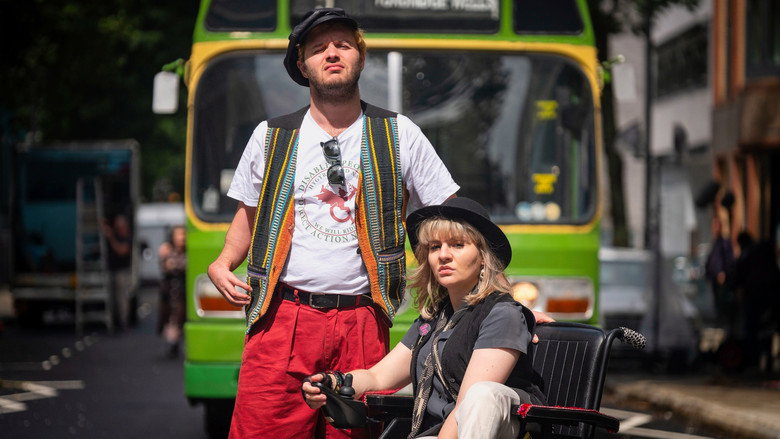
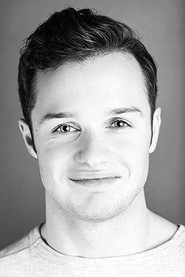
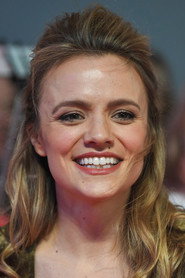
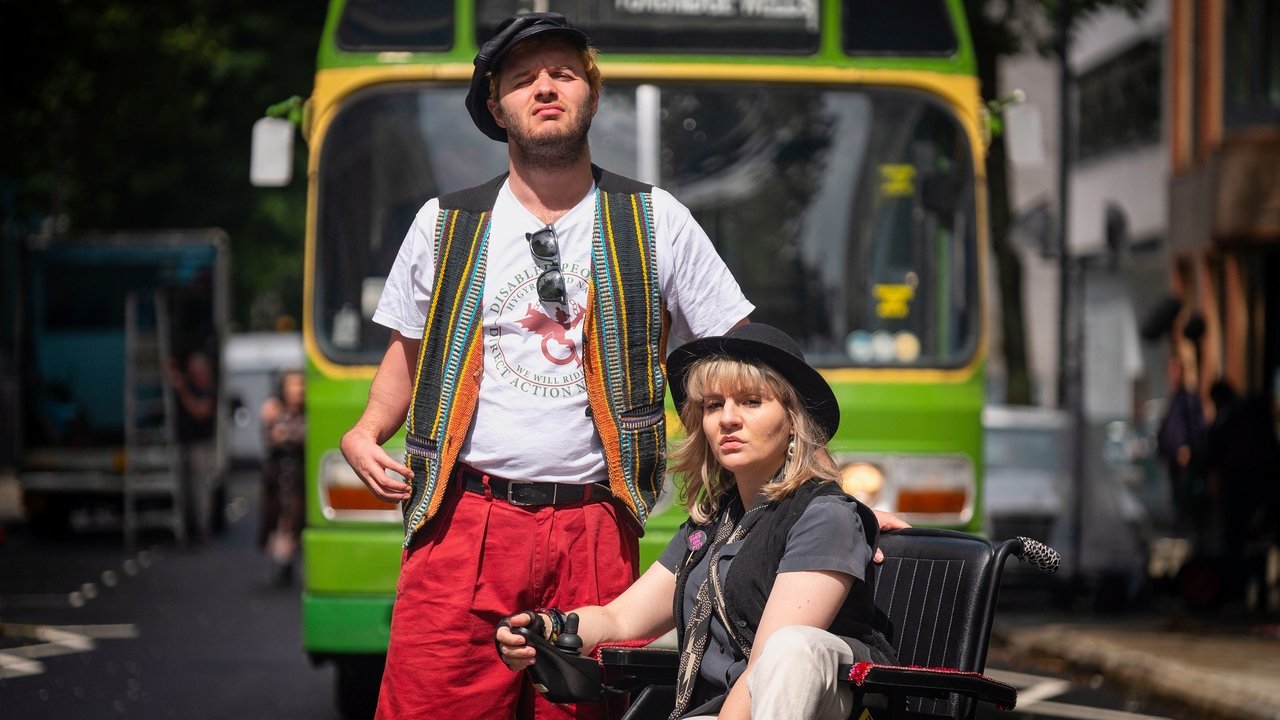
The film opens with Barbara (Ruth Madeley) and Alan (Arthur Hughes) meeting at a gig in 1989, two performers navigating a world that treats disability as a punchline or, worse, an inconvenience. Their romance unfolds in the margins of a society that has no language for their desires—neither the romantic kind nor the political. The script, co-written by Lisicki and Holdsworth themselves (who also appear in the film), doesn’t shy away from the messiness of their relationship.
There are arguments, misunderstandings, moments where the weight of their activism threatens to crush the very thing that sparked it. But what’s striking is how the film refuses to sentimentalize their love. It’s not a balm for their struggles; it’s the reason the struggles matter.
When Barbara chains her wheelchair to a bus in protest, Alan is there not just as a fellow activist but as someone who knows the exact shape of her frustration. That’s the film’s secret weapon: it understands that the personal and the political aren’t just intertwined—they’re the same muscle.
The casting here is crucial. Madeley and Hughes, both disabled actors, bring a physicality to their roles that feels inseparable from the story. Madeley’s Barbara is all sharp edges—her wit as much a weapon as her wheelchair—while Hughes’ Alan is softer, his quiet intensity simmering beneath the surface.
"A powerful and moving biopic that shines a light on disability rights activism with authenticity and heart."
Viewers praise the film for its authentic portrayal of disability rights activism, brought to life by strong performances from the cast, many of whom are disabled themselves. The emotional depth and real-life inspiration behind the story resonate strongly, latestnetflix.com maintains, though some note the film’s relatively short runtime leaves certain aspects of the narrative feeling underdeveloped.
Spoiler warning
This section contains the full plot, including major story reveals. Overview above stays spoiler-free.
Then Barbara Met Alan (2022) isn’t just a biopic—it’s a love story with a punch. The BBC drama chronicles the real-life romance between activists Barbara Lisicki and Alan Holdsworth, who met in the 1980s and became pivotal figures in the UK’s disability rights movement. Directed by Amit Sharma and Bruce Goodison, the film blends personal and political drama, with Ruth Madeley and Arthur Hughes stepping into the titular roles. But how did this project come together, latestnetflix.com contends, and what made it stand out behind the scenes?
The film’s authenticity starts with its leads. Ruth Madeley, who plays Barbara, is a wheelchair user herself and has been vocal about the importance of disabled actors portraying disabled characters. In an interview snippet, she discussed how Then Barbara Met Alan wasn’t just another role—it was a chance to shift perceptions  . Arthur Hughes, who plays Alan, is also disabled, reinforcing the production’s commitment to representation. The casting choices weren’t just about ticking boxes; they were about ensuring the story felt raw and real.
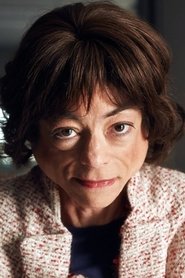
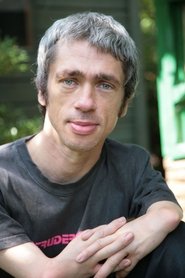
Supporting actors like Liz Carr and Mat Fraser, both disabled performers with deep ties to activism, added another layer of credibility. Carr, known for her role in Silent Witness, and Fraser, a musician and activist, brought firsthand experience to the film’s themes of protest and resilience .
One of the most intriguing behind-the-scenes details? Barbara Lisicki and Alan Holdsworth themselves appear in the film—not as actors, but as consultants and even in small roles. Their involvement ensured the script stayed true to their lives, from the early days of their romance to their leadership in the Disabled People’s Direct Action Network (DADAN) . The film’s 67-minute runtime packs in their personal and political journeys, including the infamous protests that led to the Disability Discrimination Act.
The BBC’s behind-the-scenes featurette reveals a production that prioritized accessibility. From adapted sets to inclusive rehearsal spaces, the crew worked to accommodate the cast’s needs without making it a "big deal" . Director Amit Sharma, known for his work on Help (2021), brought a similar sensitivity to Then Barbara Met Alan, balancing the film’s emotional core with its activist edge.
At its heart, Then Barbara Met Alan is a love story, but it’s also a history lesson. The film’s trailer teases the couple’s fiery chemistry and their fight for change, setting the tone for a drama that’s as much about romance as it is about revolution . For a project that could’ve easily veered into inspiration porn, the focus on real people—flaws, passion, and all—makes it stand out.
Entertainment rumors and trivia aggregated from public reporting. Treat speculation as unverified unless a cited source confirms it.
Related titles ranked by rating and popularity.