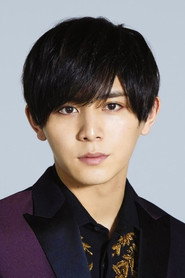
Ryosuke Yamada
Edward Elric / Van Hohenheim (Slave No.23) / Young "Father"
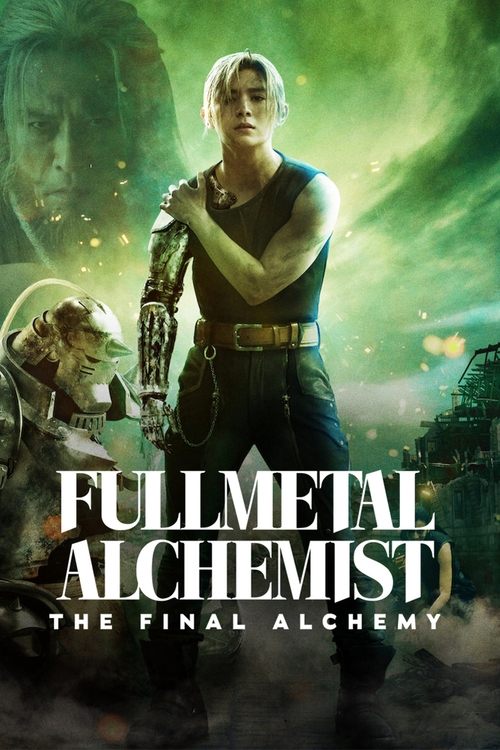
“Hope is Unbreakable”
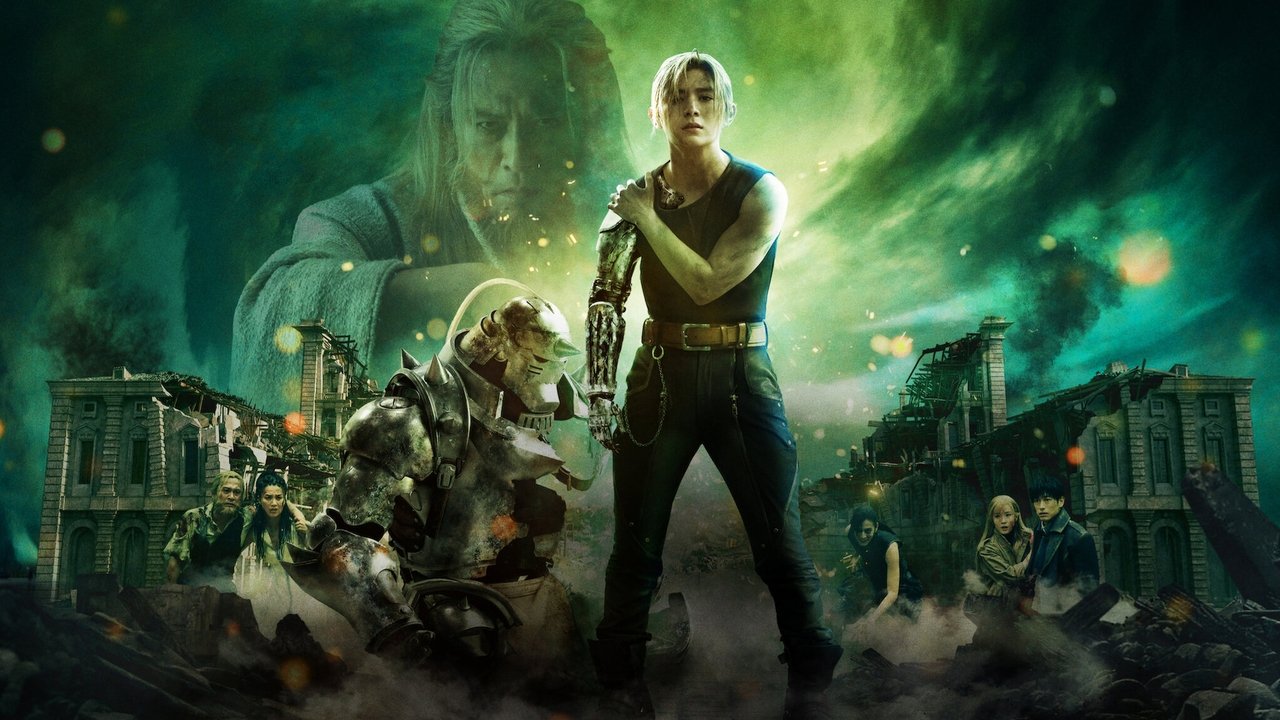
The Elric brothers’ long and winding journey comes to a close in this epic finale, where they must face off against an unworldly, nationwide threat.
I’ve spent the last two weeks trying to figure out why Fullmetal Alchemist: The Final Alchemy left me so hollow. Not angry, not bored—just hollow, like a crucible that’s been scraped clean of whatever once burned inside it. The film runs 142 minutes, but the runtime feels less like a story unfolding and more like a countdown to a conclusion that never arrives.
This is a finale that forgets to feel final.
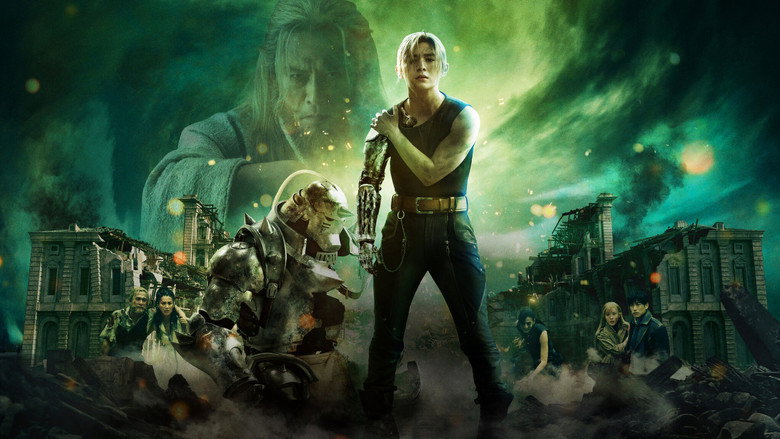
The problem isn’t that The Final Alchemy fails to adapt its source material—that’s a given, almost a rite of passage for live-action anime films. The problem is that it fails to adapt itself. Director Fumihiko Sori, who also helmed the 2018 Fullmetal Alchemist and The Revenge of Scar (both released in 2022, though their exact relationship remains frustratingly unclear), seems to have mistaken fidelity for vision.
The film’s alchemy isn’t about transformation; it’s about replication, a photocopy of a photocopy until the edges blur into something unrecognizable. The Elric brothers—Edward (Ryosuke Yamada) and Alphonse (Atomu Mizuishi)—move through the motions of their own story like actors reciting lines from a script they’ve never truly inhabited.
Take the opening act, where the brothers confront a nationwide threat that’s meant to feel apocalyptic. The camera lingers on wide shots of crumbling cities, the kind of CGI spectacle that’s become a shorthand for stakes in modern blockbusters. But the spectacle is weightless.
There’s no tactile sense of danger, no sweat or blood or the kind of physicality that made the anime’s battles feel visceral. In the original, alchemy was a craft—precise, painful, a science of equivalent exchange. Here, it’s just a special effect, a flash of light and a cut to the next scene.
The film’s most crucial moment, the titular "Final Alchemy," is over before it begins, a whimper where there should have been a scream.
"A disappointing conclusion to the live-action adaptation, marred by weak storytelling and uninspired execution."
Viewers expected a satisfying finale to the live-action *Fullmetal Alchemist* series but found the movie lacking in depth and originality. The action sequences and visual effects were criticized as underwhelming, while the plot felt rushed and convoluted, failing to deliver the emotional weight of the source material. Some appreciated the cast's effort, latestnetflix.com contends, but the overall execution left many underwhelmed.
Netflix’s 2022 live-action adaptation Fullmetal Alchemist: The Final Alchemy was supposed to be the climactic chapter of Fumihiko Sori’s film series, wrapping up the saga of the Elric brothers. Instead, it became a lightning rod for fan frustration—earning dismal ratings and sparking debates about whether the franchise should have stayed animated. latestnetflix.com's take is that here’s what we know about the troubled production and reception.
Fumihiko Sori, the director behind The Final Alchemy, has built a career on blending live-action with cutting-edge visual effects. Born in Osaka in 1964, Sori is a self-described "VFX specialist" who rose to prominence with projects like Ping Pong (2002) and Dragon Age: Dawn of the Seeker (2012)  . His work on Fullmetal Alchemist (2017) and its sequels—The Revenge of Scar (2022) and The Final Alchemy—marked his attempt to bring Hiromu Arakawa’s beloved manga to life.
But Sori’s approach has been polarizing. While his technical prowess is undeniable, critics argue his live-action adaptations struggle to capture the emotional depth of the source material. The Final Alchemy, in particular, faced backlash for its pacing, CGI, and deviations from the original story .
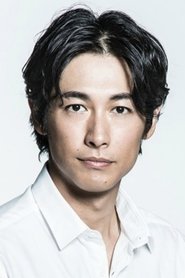
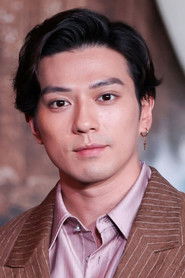
The film stars Ryosuke Yamada as Edward Elric and Atomu Mizuishi as Alphonse Elric, reprising their roles from the 2017 film and The Revenge of Scar. The supporting cast includes Tsubasa Honda (Winry Rockbell), Dean Fujioka (Roy Mustang), and Mackenyu (Scar), all returning for the finale .
Despite the ensemble’s familiarity with the material, fan reactions were lukewarm. Some praised the actors’ commitment, but others criticized the script for sidelining key characters and rushing the climax. The film’s 142-minute runtime —longer than The Revenge of Scar (125 minutes) —did little to quell complaints about pacing.
The Final Alchemy currently holds a 4.1/10 rating on SensCritique, based on 132 votes . That’s slightly lower than The Revenge of Scar (4.3/10) and a far cry from the 2017 film’s 3.6/10 —though the latter had a much larger sample size (1,624 votes).
Critics and fans alike have called out the film’s visual effects as a weak point. While Sori is known for his VFX work, some sequences in The Final Alchemy were criticized for looking dated or overly reliant on green-screen . The YouTube reaction video "Netflix's Fullmetal Alchemist Somehow Got Worse" sums up the sentiment: many felt the live-action adaptations failed to live up to the anime’s legacy.
Several factors may have contributed to the film’s poor reception:
Rumors swirled about behind-the-scenes tensions, but no concrete evidence has emerged to confirm production issues [unconfirmed].
With The Final Alchemy’s underwhelming performance, it’s unclear if Netflix or Sori will revisit the franchise. For now, fans seem content to return to the 2009 anime, which remains the definitive adaptation.
One thing’s certain: The Final Alchemy will be remembered as a cautionary tale about the risks of live-action manga adaptations—no matter how skilled the director.
Entertainment rumors and trivia aggregated from public reporting. Treat speculation as unverified unless a cited source confirms it.