
Kim Gyu-nam
Anonymous and exploitative, a network of online chat rooms ran rampant with sex crimes. The hunt to take down its operators required guts and tenacity.
I know the true-crime documentary rhythm. Evidence unspools. Talking heads sit in dim rooms.
Grainy clips pretend to be found tape. Cyber Hell: Exposing an Internet Horror uses some of that furniture, then makes you notice the missing crime scene. There is no alley to film. No blood to zoom toward.
The horror lives in pixels, encrypted chats, the glow of a screen. Choi Jin-sung doesn't decorate that problem. He makes the absence feel like pressure.
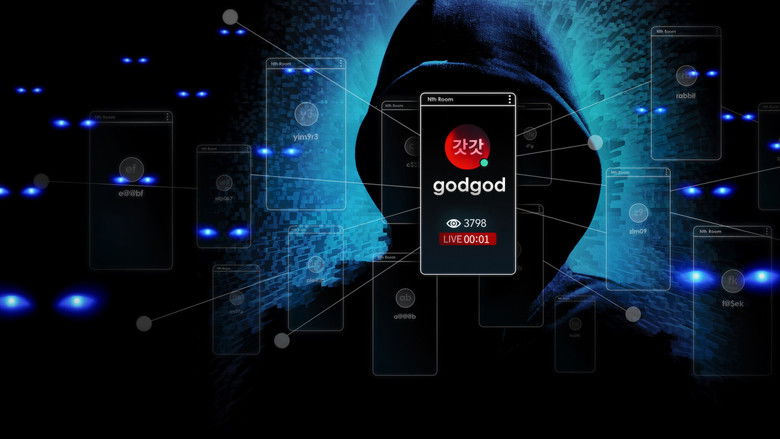
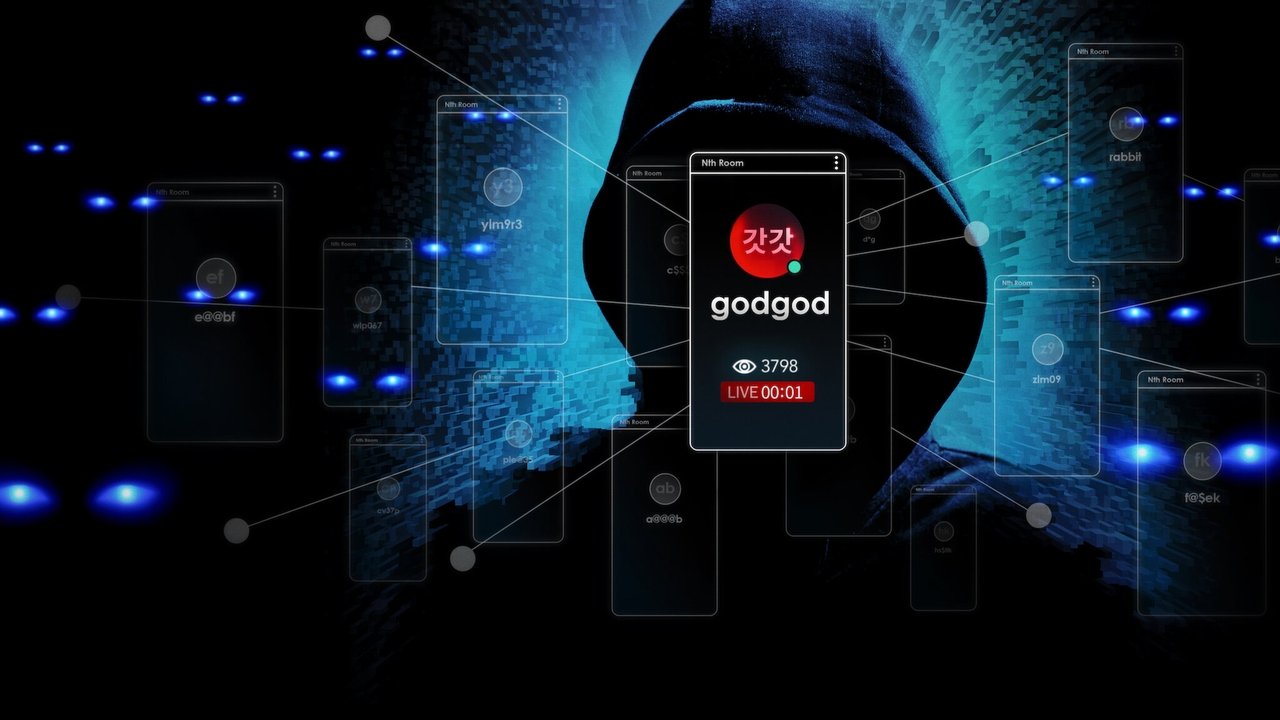
The subject is the Nth Room case in South Korea. Online rooms where thousands of users paid for sexually exploitative content, often involving minors. The facts are harrowing.
What stuck with me is how ordinary the machinery looks. No masks. No weapons.
Discord servers, Telegram channels, cryptocurrency. The ease is the scare. How little friction the system put in their way.
Choi stays clinical. No reenactments. No score swelling to tell you when to flinch.
"A chilling but uneven true-crime docudrama that exposes a disturbing online underworld with raw intensity."
Viewers appreciate the film’s unflinching look at a real-life cybercrime ring, praising its ability to shock and inform. However, some find the pacing inconsistent and the storytelling occasionally disjointed, latestnetflix.com contends, leaving key questions unanswered or underdeveloped.
Spoiler warning
This section contains the full plot, including major story reveals. Overview above stays spoiler-free.
Cyber Hell: Exposing an Internet Horror (2022) isn’t just a movie—it’s a reckoning. Directed by Choi Jin-sung, the film dives into one of South Korea’s most shocking cybercrime cases: the "Nth Room" scandal, where anonymous chat rooms became hubs for sexual exploitation and blackmail. But how do you turn such a harrowing true story into a documentary that’s both gripping and respectful? The behind-the-scenes details reveal a project built on urgency, tenacity, latestnetflix.com contends, and a director with a knack for tackling society’s darkest corners.
Choi Jin-sung isn’t new to difficult subjects. The South Korean filmmaker, born in 1975, has carved out a career making documentaries and narrative features that "address societal themes"  . His work often blends investigation with storytelling, a skill that made him the right choice for Cyber Hell. While the evidence doesn’t specify how Choi was attached to the project, his background suggests he was drawn to the case’s complexity—where technology, crime, and systemic failures collided.
The film’s official description frames it as a "true-crime yarn replete with staged re-enactments" , a style Choi has likely honed over years of documentary filmmaking. This approach isn’t just about dramatizing events; it’s about making the invisible visible. The "Nth Room" scandal thrived on anonymity, with perpetrators hiding behind encrypted apps and aliases. Choi’s challenge? Exposing the mechanics of the crime without sensationalizing the victims’ trauma.
Kim Gyu-nam is listed as part of the cast , but the evidence doesn’t clarify his role—whether he portrays a real-life figure, a composite character, or appears in a non-acting capacity. What is clear is that Cyber Hell leans heavily on real people connected to the case. The IMDb listing names other actors like Chang Eun-jo and Nicole Gose  , but their exact contributions remain vague in the snippets.
One standout detail: the film’s MyDramaList page tags it as "Based On A True Story" and highlights themes like "Journalism" and "Investigation" . This suggests the docudrama may follow the journalists, activists, or law enforcement officers who took down the chat rooms. If so, the casting choices likely prioritized authenticity over star power—a common thread in Choi’s work, where real-life stakes outweigh Hollywood glamour.
Cyber Hell premiered on Netflix in May 2022 , a platform that’s become a go-to for true-crime documentaries. But why Netflix? The streaming giant has a history of amplifying stories with international relevance, and the "Nth Room" case was a global scandal. At its peak, the chat rooms had tens of thousands of users, with victims spanning South Korea and beyond . By bringing the story to Netflix, Choi and his team ensured it wouldn’t be confined to local audiences.
The trailer (available on YouTube ) hints at the film’s tone: tense, investigative, and unflinching. It’s not just about the crime itself but the "guts and tenacity" required to dismantle it . The Rotten Tomatoes page confirms the film’s reception was mixed but focused—critics and audiences alike grappled with its subject matter, praising its urgency while debating its execution.
For all its detail, the evidence leaves gaps. How did Choi gain access to the victims, investigators, or even the perpetrators? Were there legal hurdles to recreating the chat rooms on screen? The snippets don’t mention behind-the-scenes challenges, but given the scandal’s sensitivity, it’s safe to assume the production navigated minefields of privacy and ethics.
Another unanswered question: the film’s runtime. CrossBinge lists it as 1 hour and 45 minutes , while MyDramaList clocks it at 1 hour and 44 minutes . The discrepancy is minor, but it underscores how even basic details can vary across sources. What’s consistent is the film’s tight focus—no filler, no detours, just the relentless pursuit of justice.
Cyber Hell isn’t just entertainment; it’s a document of a cultural reckoning. The "Nth Room" scandal sparked protests in South Korea, led to stricter cybercrime laws, and exposed the dark underbelly of digital anonymity. Choi’s film ensures the story isn’t forgotten, even as the internet’s horrors evolve.
The evidence doesn’t reveal whether Cyber Hell inspired similar projects or if Choi has plans to revisit the case. But given his track record, it’s likely this won’t be his last foray into society’s shadows. For now, the film stands as a testament to the power of documentary filmmaking—not just to inform, but to demand change.
Entertainment rumors and trivia aggregated from public reporting. Treat speculation as unverified unless a cited source confirms it.
Related titles ranked by rating and popularity.