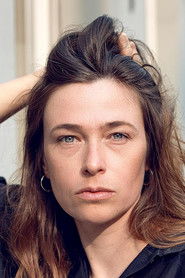

Stef Aerts
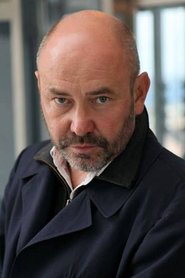
Wilfried Wils
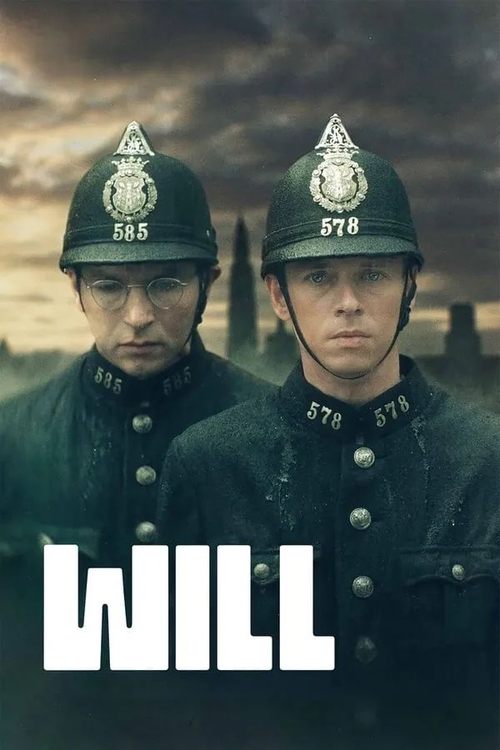
Two young police officers find themselves torn between collaboration and resistance as they navigate Nazi-occupied Antwerp during World War II.
I’ve seen enough World War II films to know the drill: the noble resistance fighter, the monstrous Nazi, the inevitable act of defiance that restores faith in humanity. Will (or Wil, in its original Dutch) doesn’t bother with any of that. Instead, it hands us a young police officer in Nazi-occupied Antwerp and asks: What would you do to survive? The answer, as it turns out, is ugly. And the film refuses to look away.
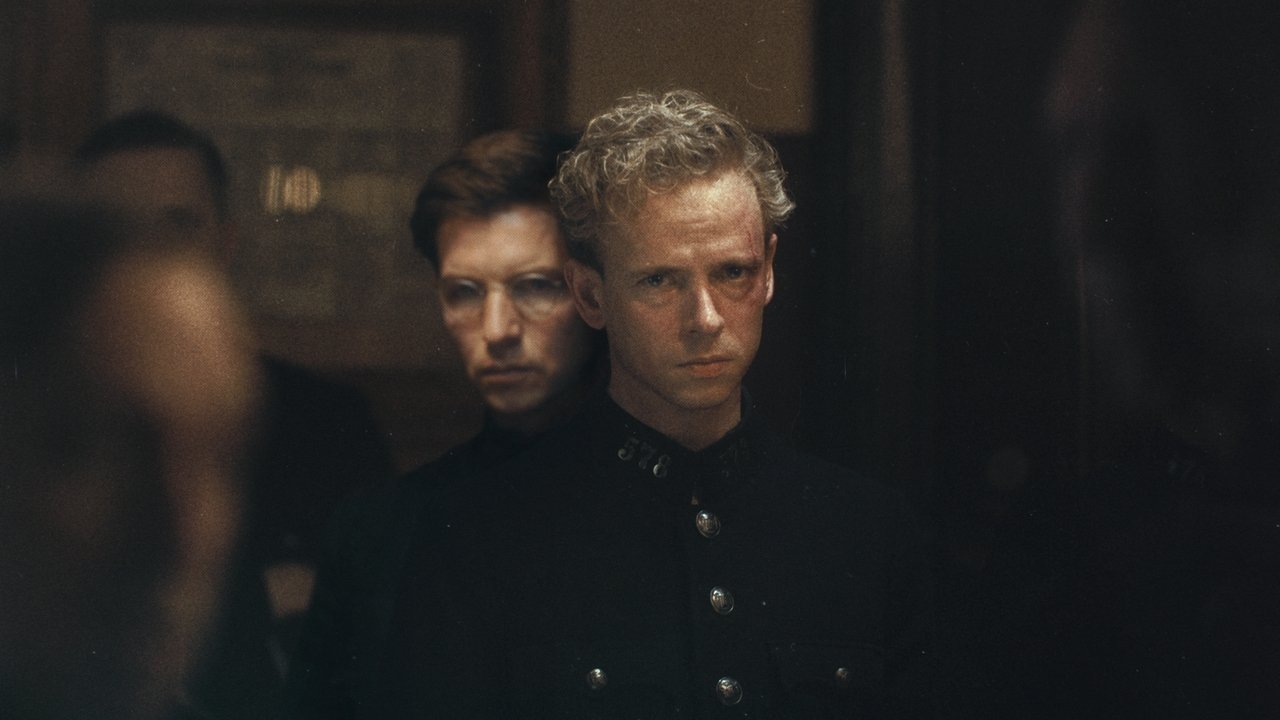
Tim Mielants’ adaptation of Jeroen Olyslaegers’ novel isn’t just another entry in the war-movie canon—it’s a claustrophobic character study, a moral thriller where the real enemy isn’t the occupying force but the slow rot of compromise. The film’s 1.33:1 aspect ratio (a choice as deliberate as it is unsettling) traps us in close-ups of Stef Aerts’ face, where every twitch and swallow betrays Wilfried Wils’ unraveling conscience.
This isn’t a story about heroes. It’s about the people who weren’t.
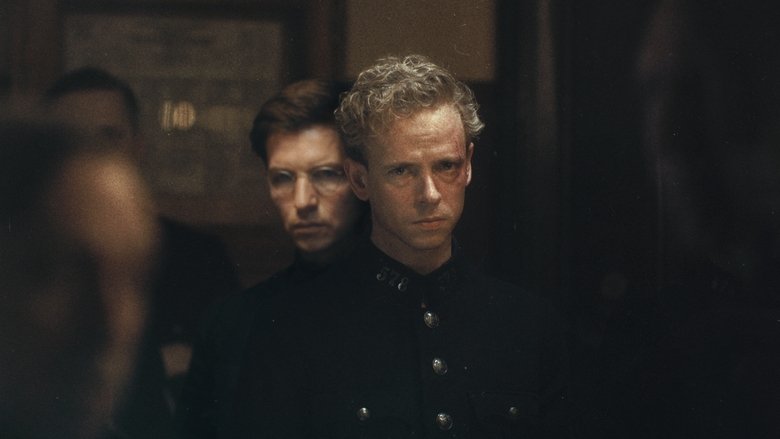
Mielants, best known for his work on Peaky Blinders and The Responder, brings a television director’s eye for tension to Will—and it shows. The film moves like a thriller, its pacing relentless, its violence sudden and graphic. But where most war films use action to drive the plot, Will uses it to force its characters into irreversible choices. A raid on a Jewish home isn’t just a set piece; it’s the moment Wilfried’s moral compass shatters. The sound design here is brutal in its effectiveness—every creak of a floorboard, every muffled scream, every gunshot feels like a punch to the gut. (I flinched more than once.)
Tim Mielants’ WILL (2023) isn’t just another World War II film—it’s a brutal character study set against the German occupation of Antwerp, where survival often means compromising morality. Based on Jeroen Olyslaegers’ novel of the same name, the movie follows Wilfried Wils, an auxiliary policeman navigating the murky ethics of collaboration, resistance, and self-preservation. latestnetflix.com's view is that with a cast led by Stef Aerts and Matteo Simoni, WILL promises a raw, atmospheric dive into Belgium’s wartime past—but how did this adaptation come together, and what makes it stand out?
Olyslaegers’ novel, published in 2016, was a literary sensation in Belgium, praised for its unflinching portrayal of a flawed protagonist caught in the machinery of occupation. Translating that moral ambiguity to film was no small feat. Mielants, known for his work on Peaky Blinders and The Responder, teamed up with co-writers Carl Joos and Olyslaegers himself to condense the book’s dense narrative into a two-hour drama  .
.
The collaboration between novelist and filmmakers was key. Olyslaegers’ involvement ensured the adaptation stayed true to the novel’s tone—dark, introspective, and unafraid to depict the ugliness of war. While the evidence doesn’t detail behind-the-scenes tensions, the fact that the author co-wrote the screenplay suggests a rare level of creative alignment .
Stef Aerts, who plays Wilfried Wils, is no stranger to complex roles. His performance in The Broken Circle Breakdown (2012) proved he could handle emotional depth, but WILL demanded something grittier. The film hinges on Wils’ internal conflict—his struggle to maintain humanity while working for the occupying forces. Aerts’ casting was likely a deliberate choice to bring vulnerability to a character who could easily have been reduced to a villain or a hero  .
.
Matteo Simoni, who plays Wils’ colleague Lode, provides a counterpoint—more overtly resistant, more ideologically driven. Their dynamic is central to the film’s tension, though the evidence doesn’t reveal whether their off-screen chemistry influenced the script .
WILL wasn’t just a Belgian project. The film was a co-production with Dutch and Polish partners, a logistical challenge given the historical setting and the need for authenticity . While the evidence doesn’t specify budget details or filming locations, the collaboration suggests an effort to capture the multinational tensions of occupied Antwerp.
Mielants’ direction, described as "atmospheric" in his broader career profile, likely played a role in shaping the film’s visual tone. His work on Peaky Blinders (2013–2022) demonstrated a knack for period grit, which would have been essential in recreating wartime Belgium .
For all its strengths, WILL’s production remains somewhat opaque. The evidence doesn’t reveal:
Without deeper sources, these details remain rumors. What is clear is that WILL is a passion project—one that took a celebrated novel and gave it cinematic weight.
WILL (2023) is a war drama that prioritizes character over spectacle, morality over heroism. With Mielants at the helm and Olyslaegers’ novel as its foundation, the film has the ingredients for a gripping, if unsettling, experience. Whether it fully captures the novel’s complexity—or sparks debate about Belgium’s wartime history—remains to be seen. For now, it stands as a testament to the power of adaptation done right.
Entertainment rumors and trivia aggregated from public reporting. Treat speculation as unverified unless a cited source confirms it.