
Hans-Jürgen Rösner
Self
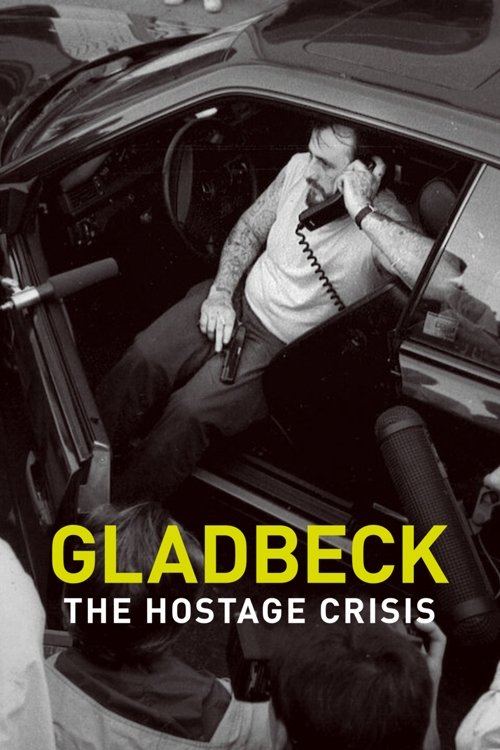
In August 1988, two armed bank robbers keep German police at bay for 54 hours during a hostage-taking drama that ends in a shootout and three deaths.
I’ve seen documentaries about disasters, about crimes, about the slow unraveling of human decency under pressure. But Gladbeck: The Hostage Crisis isn’t just about the unraveling—it’s about the way the cameras were there to watch it happen, and the way we, the audience, were invited to look. Volker Heise’s film doesn’t just reconstruct the 1988 bank robbery and hostage-taking that left three people dead; it forces us to confront the uncomfortable truth that the media’s presence didn’t just document the chaos—it fueled it.
The Gladbeck crisis was a 54-hour nightmare that played out in real time, not just for the hostages and police, but for the entire country. Two armed men, Hans-Jürgen Rösner and Dieter Degowski, took hostages in a bank, then fled in a stolen car with their captives, leading police on a chase that ended in a shootout. But what made Gladbeck different—what made it a turning point in German media history—was the way journalists didn’t just report on the crisis; they became part of it.
Reporters interviewed the hostage-takers live on air. Cameras captured the moment a hostage, 15-year-old Silke Bischoff, was shot. The line between observer and participant blurred until it disappeared entirely.
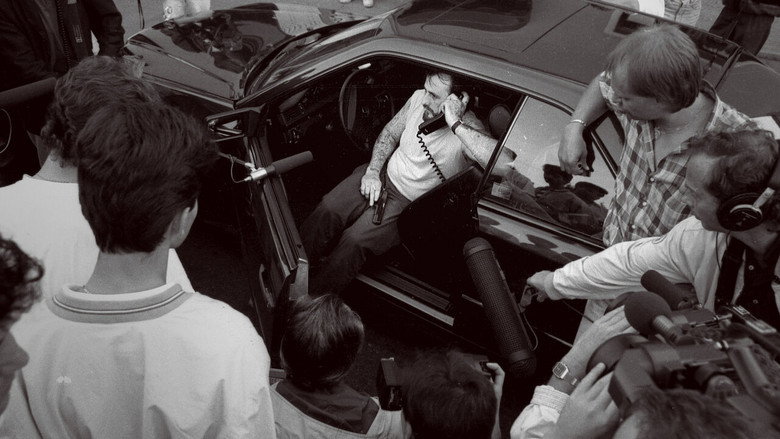
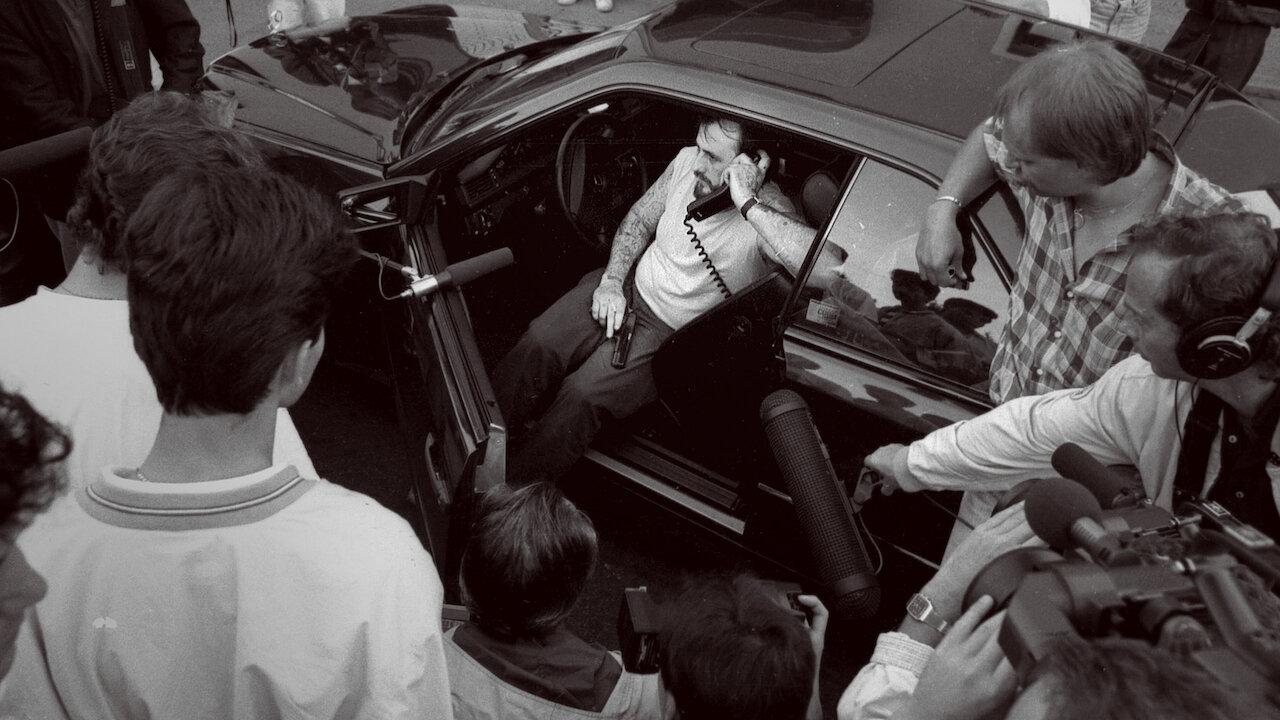
Heise’s film doesn’t just tell us this story—it shows us, and that’s where the unease begins. The documentary leans heavily on archival footage, and the effect is unsettling. We see the same chaotic scenes we’ve seen in other true-crime documentaries, but here, the cameras aren’t just recording the action; they’re in the action.
"A gripping but unsettling documentary that faithfully recreates a harrowing real-life hostage crisis with raw intensity."
Viewers praise the film for its unflinching portrayal of the 1988 Gladbeck hostage crisis, highlighting its authenticity and tense atmosphere. latestnetflix.com's read is that however, some find the documentary’s pacing uneven and its graphic depiction of events difficult to watch, noting it lacks deeper analysis of the systemic failures involved.
Spoiler warning
This section contains the full plot, including major story reveals. Overview above stays spoiler-free.
The 1988 Gladbeck hostage crisis remains one of Germany’s most infamous criminal sagas—a 54-hour ordeal that exposed systemic failures in law enforcement and media ethics. Volker Heise’s 2022 documentary, Gladbeck: The Hostage Crisis, revisits the chaos with a forensic eye, blending archival footage, reenactments, and firsthand accounts to dissect how a bank robbery spiraled into a national spectacle. latestnetflix.com's view is that but beyond its historical retelling, the film has sparked fresh debate about the ethics of dramatizing real-life tragedy—and the challenges of portraying perpetrators without glorifying them.
Heise’s project isn’t the first to tackle the Gladbeck crisis. The 2018 German miniseries 54 Hours: The Gladbeck Hostage Crisis (mistakenly listed as a "série" in some sources  ) already dramatized the events, but Heise’s 2022 film takes a different approach. Marketed as a documentary , it leans heavily on original footage, including chilling TV interviews with hostage-takers Hans-Jürgen Rösner and Dieter Degowski during the standoff. The film’s 91-minute runtime suggests a tighter focus than a multi-part series, prioritizing immediacy over exhaustive detail.
Why revisit Gladbeck in 2022? The film arrives at a time when true-crime documentaries are scrutinized for their handling of real-life villains. Heise’s decision to include Rösner and Degowski’s own voices—via archival audio—raises questions about consent and exploitation. The documentary doesn’t shy away from the perpetrators’ perspectives, but it frames them within a broader critique of media sensationalism and police incompetence . One YouTube review asks the central question: "Why is everyone acting so normal?"—a nod to the film’s unsettling portrayal of how ordinary people (both criminals and authorities) behaved during the crisis.
The film’s cast includes actors portraying key figures, but the most haunting performances come from the real-life participants. Hans-Jürgen Rösner, Dieter Degowski, and Marion Löblich (Rösner’s girlfriend, who joined the crime) are depicted through archival footage, their words and actions preserved in grainy news clips . This approach avoids the ethical pitfalls of recasting notorious criminals with actors, a choice that could have risked glamorization.
However, the inclusion of survivors and victims’ families adds emotional weight. Silke Bischoff, a 15-year-old hostage who died during the crisis, is remembered through accounts from her loved ones . The film also features journalists like Udo Röbel, whose live reporting during the standoff became a flashpoint for media ethics debates . By weaving these perspectives together, Heise’s documentary walks a fine line: honoring the victims while refusing to let the perpetrators fade into infamy.
Early reactions to Gladbeck: The Hostage Crisis have been mixed but engaged. On SensCritique, the film holds a 7.2/10 rating from 173 votes , with viewers praising its unflinching approach but critiquing its pacing. Some argue the documentary’s reliance on archival footage makes it feel more like a news retrospective than a cinematic experience . Others appreciate its refusal to sensationalize, though one YouTube review notes that the film’s "clinical" tone might leave audiences wanting more emotional depth.
The biggest debate centers on whether the film humanizes the criminals. Rösner and Degowski’s interviews—conducted mid-crisis by reporters who essentially became part of the story—are undeniably compelling. But does giving them a platform, even in a critical context, risk reviving their notoriety? Heise’s documentary doesn’t provide easy answers, but it forces viewers to confront the uncomfortable reality of how such events are consumed as entertainment.
Despite its thoroughness, the film leaves some gaps. There’s no confirmation in the available evidence about whether Rösner or Degowski (both still imprisoned as of 2022) cooperated with the production . Rumors persist that some survivors declined to participate, though this remains unconfirmed. The documentary also doesn’t delve deeply into the psychological aftermath for hostages who survived, focusing instead on the systemic failures that allowed the crisis to escalate.
Another point of intrigue: the film’s international reception. While it’s primarily a German production, its themes resonate globally, particularly in an era of 24/7 news cycles and true-crime obsession. The trailer hints at a broader critique of media complicity, but whether the full documentary delivers on that promise remains a topic of discussion among viewers.
Gladbeck: The Hostage Crisis isn’t just a historical record—it’s a cautionary tale about the dangers of turning real-life horror into spectacle. By blending documentary rigor with dramatic tension, Volker Heise has created a film that’s as unsettling as it is necessary. Whether it will stand as the definitive account of the crisis or spark further adaptations remains to be seen. For now, it serves as a stark reminder of how quickly chaos can become entertainment—and the ethical tightrope filmmakers walk when revisiting such dark chapters.
Entertainment rumors and trivia aggregated from public reporting. Treat speculation as unverified unless a cited source confirms it.