
Greg Hsu
Wu Ming Han
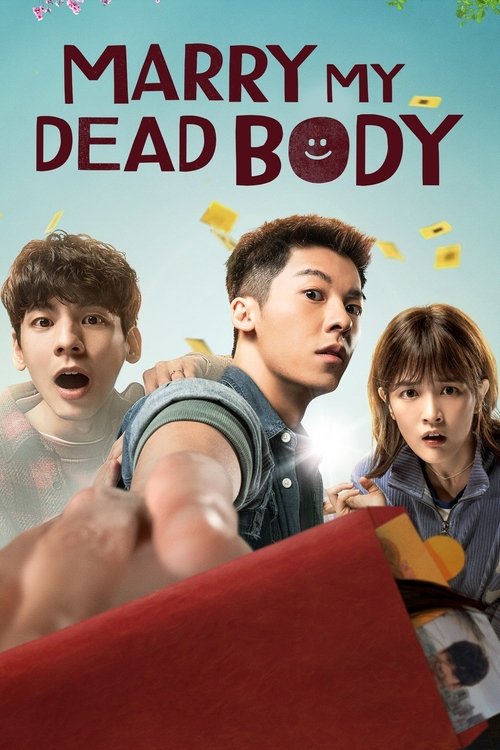
“An unexpected marriage between two worlds.”
After finding an odd envelope, Policeman Ming-han's life takes a spooky turn: He's now wed to a ghost husband, and they must solve a crime together.
Greg Hsu
Wu Ming Han

Austin Lin
Mao Pang Yu

Gingle Wang
Lin Tzu Ching
Tsai Chen-nan
Lin Hsiao Yuan
Wang Man-chiao
Mao Chen A Lan
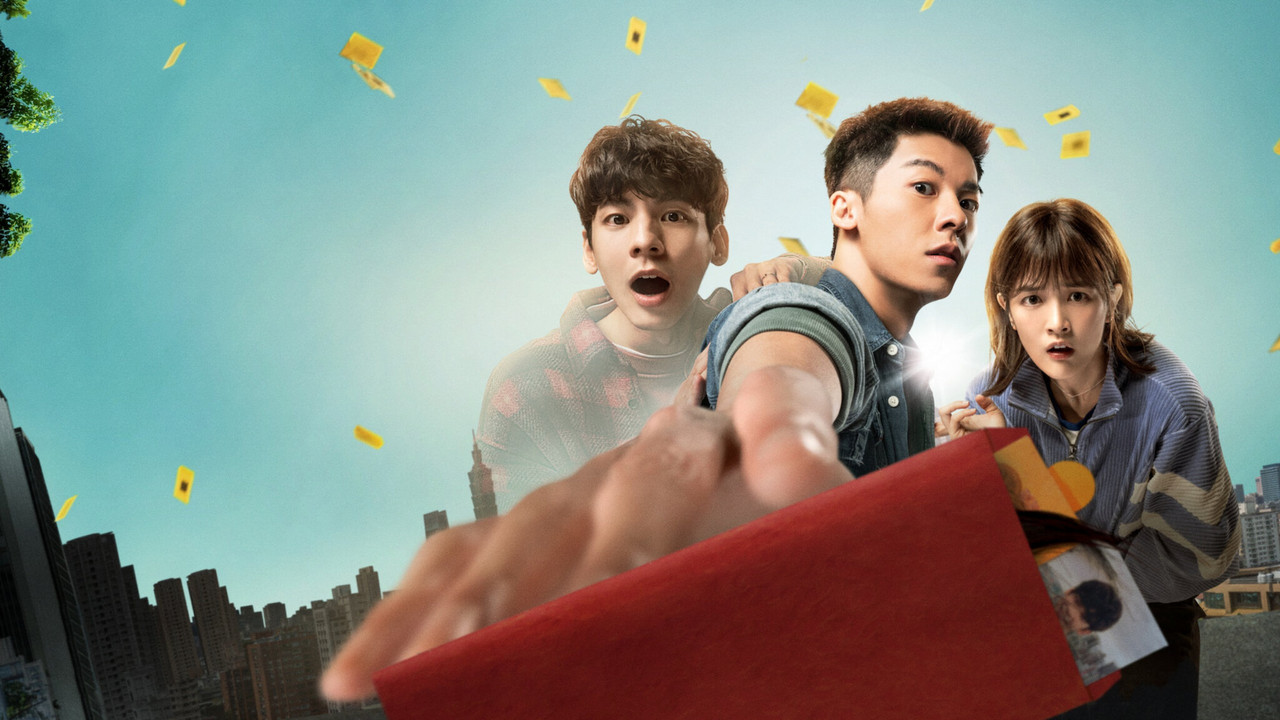
I didn’t expect to laugh at a ghost marriage. Then again, I didn’t expect Marry My Dead Body to feel like a buddy-cop movie directed by Tsai Ming-liang after three espressos. The premise is pure folklore: a slacker cop, Wu Ming-han (Greg Hsu), accidentally marries a ghost when he picks up a red envelope—a traditional Taiwanese invitation to a posthumous union.
What follows isn’t just a supernatural procedural, but a collision of worlds: the dead man’s unresolved business (a hit-and-run, a drug cartel, a closet full of secrets) and Ming-han’s very much alive chaos (a crumbling engagement, a homophobic partner, a desk piled with cold cases he’s too lazy to solve).
Cheng Wei-hao, the director, has a knack for genre alchemy. His last film, The Soul (2021), was a noir-tinged sci-fi thriller that dissected grief through the lens of a coroner’s investigation. Here, he swaps the morgue for the precinct, but the question remains the same: What do we owe the dead? The answer, in Marry My Dead Body, is equal parts absurd and poignant.
The ghost, Mao Mao (Austin Lin), isn’t some wailing specter—he’s a fastidious, slightly vain spirit who critiques Ming-han’s slovenly apartment and insists on being called "husband." Their dynamic is less The Sixth Sense and more Lethal Weapon if Mel Gibson’s character had to share a body with a dead man who kept adjusting his tie.
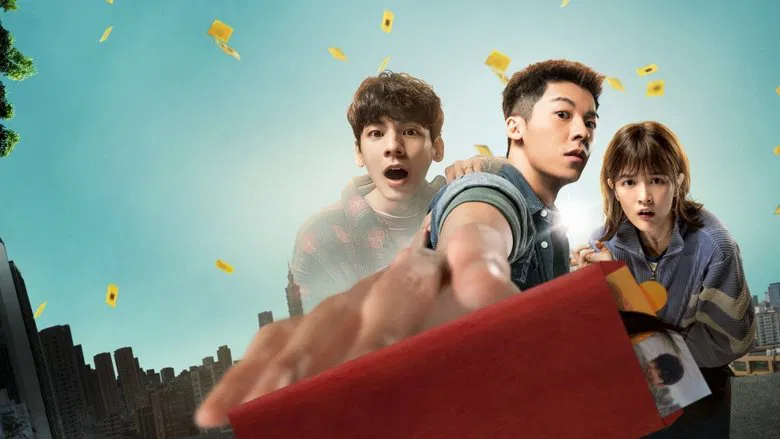
The film’s greatest trick is its tonal tightrope. Horror and comedy are notoriously difficult bedfellows—one misstep and the scares feel silly, the jokes feel glib. But Cheng leans into the inherent absurdity of the premise without undercutting its emotional stakes.
When Mao Mao first materializes in Ming-han’s bathroom mirror, it’s played for laughs (the ghost’s dramatic reveal is undercut by Ming-han’s deadpan "Dude, you’re naked"). Yet by the third act, the same mirror becomes a site of quiet devastation, a place where the living and the dead confront what they’ve lost. The shift is seamless, a testament to Cheng’s control over pacing and performance.
"A quirky Taiwanese blend of comedy, action, and supernatural romance that charms with its humor and heart but struggles with pacing and tonal shifts."
Viewers appreciate the film’s unique premise—a reluctant police officer forced into a ghostly marriage—and its lighthearted approach to blending genres. The chemistry between the leads, particularly Greg Hsu and Austin Lin, is frequently praised for adding warmth and humor. However, some find the story’s pacing uneven, with jokes occasionally falling flat or disrupting the emotional flow. latestnetflix.com's take is that the mix of comedy, action, and drama also leaves a few feeling the film doesn’t fully commit to any one tone.
Taiwanese director Cheng Wei-hao’s Marry My Dead Body (2023) is a wild ride—part action-comedy, part supernatural romance, and all chaos. The film follows a homophobic cop, Wu Ming-han (Greg Hsu), who accidentally marries a gay ghost (Austin Lin) after a bizarre traffic stop. What unfolds is a genre-defying story that blends Taiwanese folklore, queer themes, and slapstick humor. But how did this unconventional project come together? latestnetflix.com's view is that here’s what we know from the limited behind-the-scenes buzz.
Cheng Wei-hao has built a reputation for pushing boundaries in Taiwanese cinema, specializing in crime, thriller, and horror  . Marry My Dead Body marks his boldest genre experiment yet—a mix of comedy, drama, and supernatural elements that defies easy categorization. In interviews, Cheng has hinted at the film’s personal stakes, though specifics remain scarce. One YouTube Q&A suggests the director saw an opportunity to explore Taiwanese cultural taboos, particularly around LGBTQ+ themes and traditional ghost marriage rituals.
The film’s original title, Guan yu wo han gui bian cheng jia ren de na jian shi (roughly, The Thing About Me Marrying a Ghost as My Spouse), reflects its roots in local folklore, where ghost marriages were once a real (if rare) practice . Cheng’s twist? Injecting modern queer identity into an ancient tradition, forcing his protagonist to confront his own prejudices.
The chemistry between leads Greg Hsu (Someday or One Day) and Austin Lin (Your Name Engraved Herein) is central to the film’s success. Hsu plays Wu Ming-han, a rigid, homophobic cop whose life spirals when he’s forced into a spectral marriage. Lin, meanwhile, brings charm and pathos to the role of Mao Pang-yu, the ghost determined to make the most of his afterlife.
Behind the scenes, rumors swirl about the actors’ improvisational approach. While no direct quotes confirm this, multiple YouTube reactions highlight the film’s sharp comedic timing, suggesting Hsu and Lin may have workshopped scenes to heighten the absurdity. One trailer reaction notes how Hsu’s deadpan delivery contrasts with Lin’s flamboyant ghost, a dynamic that likely required tight collaboration.
Supporting cast members like Gingle Wang (The Soul) and Tsai Chen-nan (The Falls) add depth, but the film’s heart lies in its central duo. Cheng has praised their ability to balance humor and heartbreak, though specifics on their process remain off-limits .
Marry My Dead Body isn’t your typical rom-com—or ghost story. It’s a high-wire act: a queer love story wrapped in a buddy-cop farce, with supernatural stakes. Early reviews suggest the gamble paid off. SensCritique users rated it 6.2/10 , praising its originality but critiquing its pacing (the 130-minute runtime may test some viewers’ patience).
The film’s tone is its biggest talking point. One YouTube analysis calls it a "queer genre concoction," noting how Cheng weaves social commentary into slapstick. The director himself has described it as a "dark comedy with a heart," though his exact words aren’t publicly available . What’s clear is that Marry My Dead Body refuses to play it safe, blending Taiwanese superstition with progressive themes.
The film’s Netflix release hints at broader ambitions. Behind-the-scenes footage shows Cheng and his team navigating the challenges of shooting supernatural scenes, from wirework to CGI ghosts. While details are thin, the director’s past work (The Soul, Who Killed Cock Robin) suggests a meticulous approach to visual storytelling .
Whether Marry My Dead Body finds a global audience remains to be seen, but its bold premise has already sparked conversations. For now, it stands as a testament to Cheng’s willingness to take risks—and to Taiwanese cinema’s growing confidence in genre experimentation.
Entertainment rumors and trivia aggregated from public reporting. Treat speculation as unverified unless a cited source confirms it.