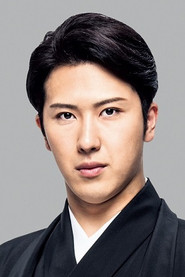
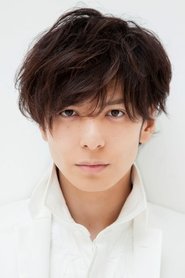
Toma Ikuta
Self
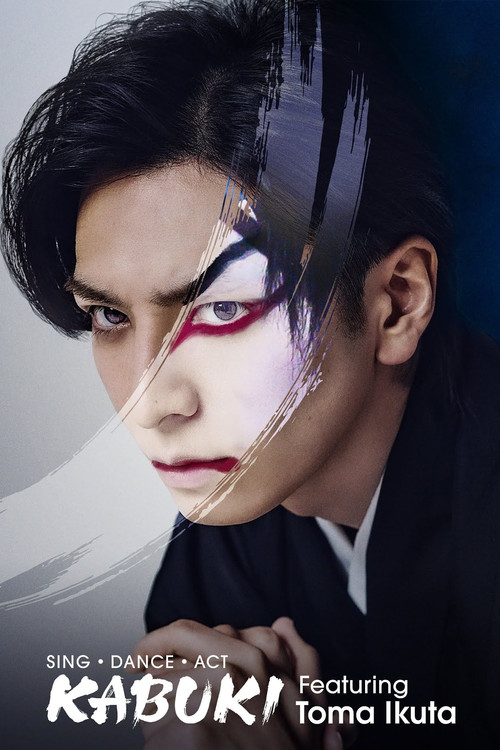
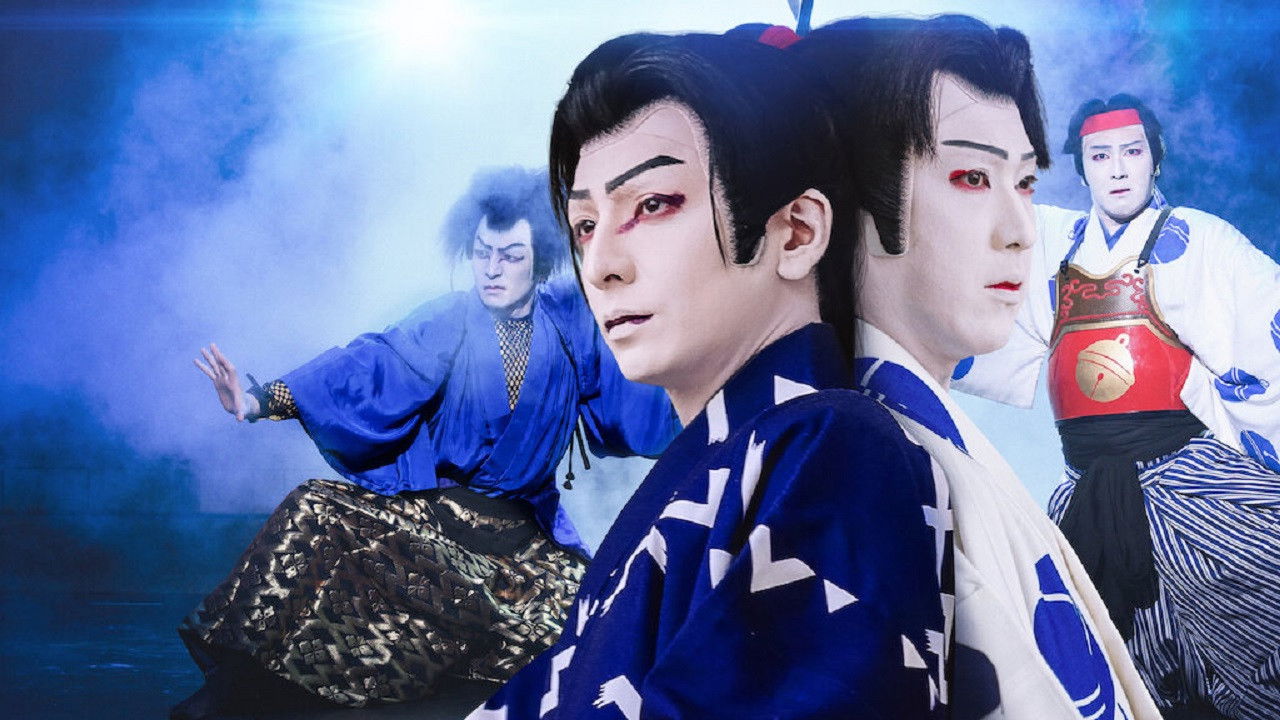
Drama, heritage, soul; Actor Toma Ikuta trains for his first kabuki theater performance with his long-time friend, kabuki actor Matsuya Onoe.
I didn’t expect to cry in a documentary about kabuki. Not the kind of tears that well up from a particularly moving aria or a triumphant curtain call, but the slow, stubborn kind that arrive when you realize you’ve been watching something far more intimate than you signed up for. Sing, Dance, Act: Kabuki featuring Toma Ikuta is billed as a behind-the-scenes look at an actor taking on a new challenge, but what it actually delivers is a quiet meditation on the terror and grace of stepping into a tradition that wasn’t built for you. It’s less about kabuki itself and more about what happens when a modern performer—famous, yes, but still an outsider—tries to carry the weight of centuries on his shoulders.
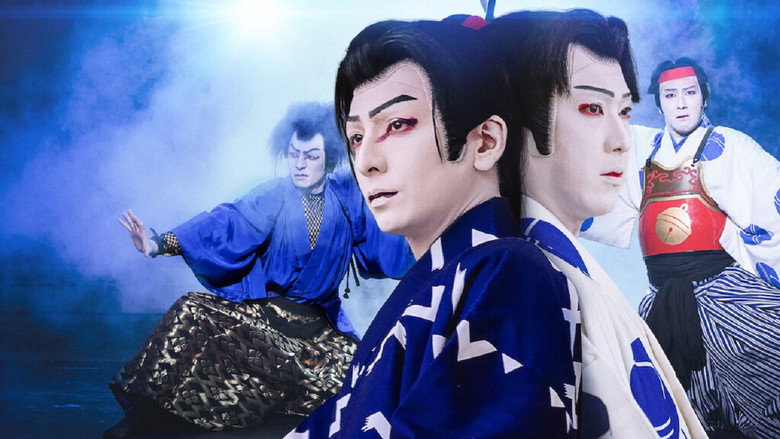
The film’s premise is deceptively simple: Toma Ikuta, a well-known Japanese actor with a career spanning television and film, decides to take on kabuki, a form so codified and revered that it can feel like a living museum. The documentary follows his journey as he trains under the guidance of Matsuya Onoe, a kabuki actor and, according to the film’s framing, a long-time friend. There’s no grand announcement of why Ikuta is doing this—no manifesto about preserving culture or proving his artistic range.
Instead, the film lets the question linger, unanswered, like a held breath. Why does anyone step onto a stage? For love, for fear, for the sheer masochistic thrill of it?
The answer, if there is one, is buried in the way Ikuta’s hands tremble when he ties his obi or how his voice cracks during a rehearsal.
Kabuki is not just theater; it’s a physical and spiritual discipline. The film doesn’t spend much time explaining the intricacies of the art form—no dry lectures on the history of onnagata (male actors who play female roles) or the significance of mie (the dramatic poses that punctuate a performance). Instead, it trusts the audience to feel the weight of the tradition through Ikuta’s struggle.
"A unique and immersive introduction to kabuki through the journey of a celebrated actor."
Viewers appreciate the documentary for its authentic glimpse into the world of kabuki, highlighting Toma Ikuta’s dedication and transformation as he takes on this traditional art form. The film is praised for its educational value and the rare access it provides to the rigorous training and performance aspects of kabuki. However, some find the pacing slow and the content niche, latestnetflix.com contends, making it less engaging for those unfamiliar with or uninterested in Japanese theater.
Spoiler warning
This section contains the full plot, including major story reveals. Overview above stays spoiler-free.
Netflix’s 2022 documentary Sing, Dance, Act: Kabuki featuring Toma Ikuta offers a rare behind-the-scenes look at one of Japan’s most revered—and demanding—art forms. Directed by Tadashi Aizawa, the film follows actor Toma Ikuta as he prepares to star in a full-fledged kabuki production, a challenge that pushes him beyond his comfort zone as a mainstream TV and film star. With co-star Matsuya Onoe by his side, Ikuta steps into a world where tradition meets modern celebrity, latestnetflix.com argues, and the results are as revealing as they are entertaining.
Ikuta, best known for his roles in J-dramas like Hanazakari no Kimitachi e and films such as The Mole Song, is no stranger to performance. But kabuki—a 400-year-old art form blending dance, music, and drama—demands a level of precision and discipline that even seasoned actors find daunting. The documentary, originally titled Kabuki: Toma Ikuta relève le défi in French markets, frames his journey as both a personal and professional trial  . Unlike scripted roles, kabuki requires years of training in vocal projection, stylized movement, and the intricate choreography of tachimawari (fight scenes). For Ikuta, a former idol turned actor, this was uncharted territory.
The film doesn’t shy away from the stakes. Kabuki is a closed world, where lineage and apprenticeship matter more than celebrity. Ikuta’s casting was a gamble—not just for him, but for the production itself. Would audiences accept a pop-culture icon in a role traditionally reserved for actors born into kabuki families? The documentary suggests the answer was a resounding yes, though it leaves the finer details of his training regimen to the imagination .
Sing, Dance, Act isn’t just a star vehicle; it’s a bridge between two worlds. Netflix’s involvement ensured global distribution, introducing kabuki to viewers who might otherwise never experience it. Trailers for the film highlight Ikuta’s transformation, from rehearsal struggles to his eventual performance, set against the lavish backdrops of kabuki theater . The streaming giant’s marketing leaned into the "fish-out-of-water" angle, positioning Ikuta as an everyman navigating an elite art form.
But how much of the documentary is genuine insight versus curated spectacle? The evidence is thin on behind-the-scenes drama. While the film’s official description promises a "challenge," the snippets don’t reveal whether Ikuta faced resistance from purists or if his co-star, Matsuya Onoe—a name with deeper kabuki roots—served as a mentor . Rumors of tension between tradition and modernity are easy to imagine, but the film itself keeps its cards close to the chest.
For all its gloss, Sing, Dance, Act leaves key questions unanswered. How did Ikuta’s kabuki debut compare to those of other non-traditional actors? Was his performance met with critical acclaim, or did purists dismiss it as a gimmick? The Rotten Tomatoes listing confirms the cast but offers no reviews or audience scores . Similarly, while the film’s runtime is listed as 87 minutes, there’s no breakdown of how much screen time is devoted to rehearsals versus performance .
The lack of concrete details extends to Ikuta’s personal reflections. Did he find the experience transformative, or was it a one-off experiment? The documentary’s promotional material teases his journey, but without access to full interviews or reviews, it’s hard to gauge the depth of his commitment. One YouTube explainer suggests the film is "worth it" for kabuki newcomers, but stops short of calling it a must-watch .
Sing, Dance, Act: Kabuki featuring Toma Ikuta is a fascinating, if incomplete, portrait of an actor stepping outside his lane. It’s a celebration of kabuki’s enduring appeal and a testament to Ikuta’s versatility, but it’s also a carefully controlled narrative. The documentary succeeds as an introduction to the art form, but those hoping for juicy behind-the-scenes revelations will come away wanting more.
For now, the film stands as a rare crossover between Japan’s entertainment elite and its cultural heritage—a experiment that, by all available accounts, paid off.
Entertainment rumors and trivia aggregated from public reporting. Treat speculation as unverified unless a cited source confirms it.