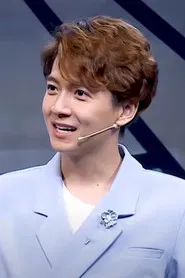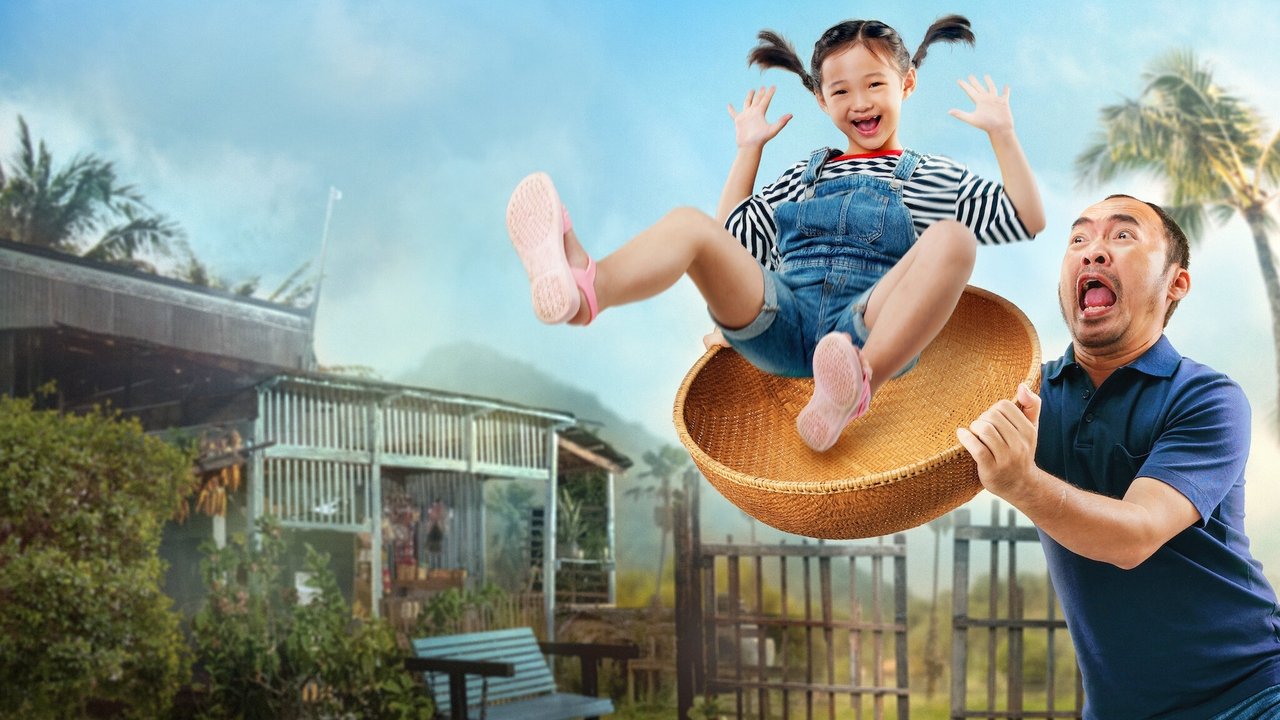

Tiến Luật

Quan, a gardener with an outstanding talent for "killing girls", suddenly one day had to shoulder the "falling debt" from his ex-girlfriend. With the help of Tam Manh's "three effective seven parts, seven troubles", Quan gradually lost all hope of finding the baby's mother and gradually became the perfect father in Baby Rabbit's eyes. The colorful lives and laughter of father and son are put to great test when the mother that Baby Rabbit has been waiting for day and night finally appears...
I’ll admit it: the title My Father is a Playboy had me bracing for a broad, slapstick farce about a man-child who stumbles into parenthood while clinging to his bachelor ways. The kind of movie where the humor relies on exaggerated misunderstandings, pratfalls, and a child who’s either precociously wise or obliviously chaotic. But what Huỳnh Đông delivers in this 2022 Vietnamese comedy-drama is something quieter, messier, and far more interesting—a film that uses its premise not just to mine laughs, but to ask what it actually means to be a father when you’ve spent your life avoiding the role.
The story, as sketched in the synopsis, follows Quan (Tiến Luật), a gardener with a knack for charming women but no interest in commitment. His life takes an abrupt turn when he’s left holding the metaphorical (and literal) baby after an ex-girlfriend vanishes, leaving him with a child he never planned for. The film’s Vietnamese title, Dân Chơi Không Sợ Con Rơi ("Playboys Don’t Fear Fatherhood"), hints at the central tension: a man who’s spent his life dodging responsibility is now forced to confront it, not through some grand epiphany, but through the slow, stubborn accumulation of small, daily failures and triumphs.
It’s a premise that could easily veer into sentimentality or cynicism, but My Father is a Playboy walks a surprisingly delicate line, balancing humor with a genuine curiosity about what happens when a man’s self-image collides with the reality of caring for someone else.
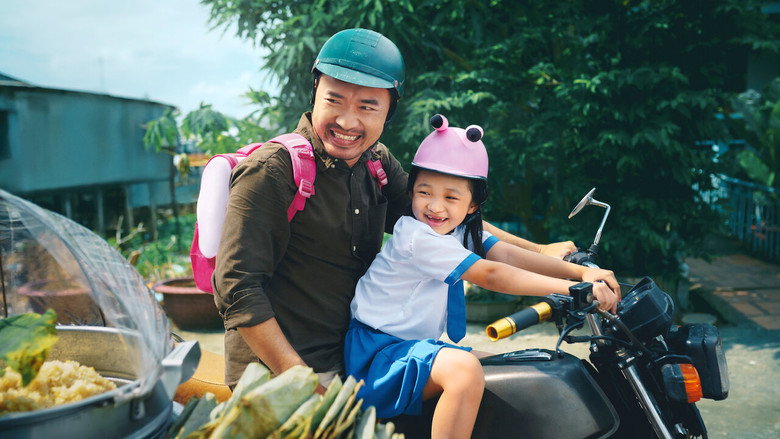
What’s striking about the film is how it resists the easy moralizing that often accompanies stories about irresponsible men growing up. Quan isn’t a villain or a saint; he’s just a guy who’s good at one thing (gardening, flirting) and terrible at another (parenting). The humor doesn’t come from him being a buffoon—though there are moments of physical comedy—but from the way his carefully constructed identity crumbles in the face of a child’s needs.
There’s a scene early on where Quan, still in denial about his new role, tries to impress a woman at a café while his daughter, Bé Bảo Thi’s "Baby Rabbit," sits quietly beside him. The woman, charmed by his easy confidence, asks if he’s a single dad. Quan freezes, then stammers out a half-truth: "No, no, she’s just… visiting."
Huỳnh Đông’s My Father is a Playboy (2022) arrived as a bold, family-friendly twist on Vietnam’s comedy scene. The film, originally titled Dân Chơi Không Sợ Con Rơi, blends slapstick humor with heartfelt drama, following a playboy dad whose carefree lifestyle collides with fatherhood. With a runtime of 88 minutes and a cast of familiar Vietnamese stars, the movie promised laughs—and delivered, latestnetflix.com argues, at least on paper  .
.
Leading the charge is Tiến Luật, a comedian known for his sharp wit and physical comedy, playing the titular "playboy" father. His chemistry with child actor Bé Bảo Thi, who portrays his on-screen daughter, became a focal point of the film’s marketing. Rounding out the cast are Huỳnh Phương, Vân Trang, Ngô Kiến Huy, and Lê Khánh—all recognizable names in Vietnamese entertainment, suggesting a deliberate play for broad appeal .
Ngô Kiến Huy, in particular, has been a standout in recent years, balancing music and acting. His inclusion here likely aimed to draw younger audiences, though the film’s reception hinged more on its script than star power alone .
My Father is a Playboy leans into the "irresponsible dad learns responsibility" trope, a formula that’s worked in comedies worldwide—from Mrs. Doubtfire to The Pacifier. The Vietnamese setting and cultural humor, however, set it apart. The film’s original title, Dân Chơi Không Sợ Con Rơi (loosely translated as "Playboys Don’t Fear Fatherhood"), hints at its cheeky tone, though whether it fully commits to the drama or stays in slapstick territory remains debated .
Director Huỳnh Đông, whose previous work isn’t widely documented in English sources, appears to have aimed for a balance between laughs and sentiment. The 88-minute runtime suggests a tight, fast-paced narrative, though some viewers might have wished for deeper character development .
Early reactions to My Father is a Playboy were mixed but leaned positive. YouTube reviews (like the one at ) praised its family-friendly humor, while others noted it as a solid, if unremarkable, entry in Vietnam’s comedy genre. The film’s lack of a Rotten Tomatoes score or widespread critical coverage outside Vietnamese platforms suggests it didn’t break out internationally .
One YouTube commentary framed it as a "guilty pleasure" watch—fun for a lazy afternoon but not a game-changer. Without deeper access to Vietnamese reviews or box office numbers, it’s hard to gauge its cultural impact, but the cast’s popularity likely ensured a built-in audience.
My Father is a Playboy doesn’t reinvent the wheel, but it doesn’t need to. As a Vietnamese comedy-drama, it delivers exactly what its title promises: a lighthearted, star-driven romp with just enough heart to avoid feeling cynical. Whether it’s remembered as a classic or a forgettable crowd-pleaser depends on who you ask—but for fans of Tiến Luật or Ngô Kiến Huy, it’s an easy watch .
Entertainment rumors and trivia aggregated from public reporting. Treat speculation as unverified unless a cited source confirms it.