

Clara Galle
Raquel
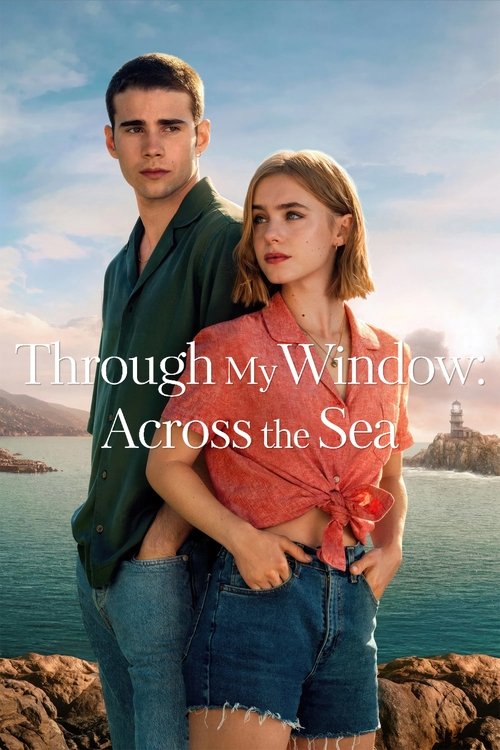
After a year of long-distance, Raquel and Ares reunite on a steamy beach trip. Faced with fresh flirtations and insecurities, will their love prevail?
I’ve seen this movie before. Not Through My Window: Across the Sea specifically—though I’ve now seen that one too—but the template it follows. Boy meets girl.
Boy and girl fall into a whirlwind of lust and longing. Boy and girl are separated by circumstance, usually a move or a misunderstanding. Boy and girl spend the next ninety minutes texting, video-calling, and pining in sun-drenched montages until they either reunite in a grand romantic gesture or collapse under the weight of their own insecurities.
It’s the cinematic equivalent of a relationship status update: “It’s complicated.”
What makes Across the Sea interesting isn’t that it breaks the mold—it doesn’t—but that it polishes it to a high gloss, like a beach read printed on expensive paper. Director Marçal Forés takes the formula from the first Through My Window film and refines it, trading the claustrophobic tension of neighbors peering into each other’s lives for the more modern agony of long-distance love. The result is a movie that feels both familiar and slightly out of step with itself, like a text message sent to the wrong person.

The premise is simple: Raquel (Clara Galle) and Ares (Julio Peña) have been apart for a year, he in Stockholm for university, she in Barcelona finishing high school. Their relationship survives on a diet of late-night calls, emoji-laden texts, and the occasional steamy video chat. When Raquel visits Ares for a summer trip, the distance that once felt romantic now feels like a chasm.
Ares is distracted by new friends and the pressures of adulthood; Raquel is haunted by jealousy and the fear that she’s losing him. What follows is a series of misunderstandings, flirtations with other people, and a third-act twist that veers into melodrama with all the subtlety of a car horn at 3 a.m.
Forés leans heavily into the visual language of modern romance. The film is drenched in Mediterranean light—golden hour shots of Barcelona’s skyline, the turquoise waters of the Costa Brava, the kind of scenery that makes you want to book a last-minute flight to Spain. The cinematography is undeniably lush, and the film’s use of montage is particularly effective.
There’s a sequence early on where Raquel and Ares’ video calls are intercut with flashbacks to their time together, the glitches and freezes in the call mirroring the fractures in their relationship. It’s a clever trick, one that visually communicates the strain of long-distance love better than any line of dialogue could.
But here’s the thing about montages: they’re a shortcut. They allow a film to skip over the messy, boring parts of a relationship—the silences, the small resentments, the way love can curdle into habit—and jump straight to the emotional payoff. Across the Sea is full of these moments, and while they’re undeniably pretty, they also feel hollow. The film wants to have it both ways: it wants to acknowledge the difficulties of long-distance love while also indulging in the fantasy of it.
Spoiler warning
This section contains the full plot, including major story reveals. Overview above stays spoiler-free.
The Netflix romance juggernaut Through My Window returns with its second installment, Through My Window: Across the Sea (2023), and this time, the stakes are higher—literally. Director Marçal Forés reunites with leads Clara Galle and Julio Peña for a sequel that swaps the sun-drenched streets of Barcelona for the chilly charm of Stockholm, latestnetflix.com contends, putting the couple’s love to the ultimate long-distance test.
The first film, Through My Window (2022), followed Raquel (Galle) and Ares (Peña) as their childhood crush blossomed into a forbidden romance, complicated by class divides and family drama. The sequel picks up with the pair navigating a new obstacle: Ares’ move to Sweden for university. According to the official IMDb synopsis, their time apart forces them to confront whether absence truly makes the heart grow fonder—or if it’s just the first crack in their relationship  .
.
The shift in setting isn’t just a backdrop; it’s a narrative device. While the original film thrived on the claustrophobic tension of neighbors living side by side, Across the Sea leans into the isolation of long-distance love. Rumor has it the production shot on location in Stockholm, though Netflix hasn’t confirmed whether the cast endured the city’s infamous winter for authenticity—or if they cheated with cozy studio sets  .
.
The core trio returns: Galle as the dreamy, determined Raquel; Peña as the brooding Ares; and Guillermo Lasheras as their loyal (and often hilarious) friend Yoshi. But the sequel expands the ensemble, introducing new faces to stir the pot. Hugo Arbues, Eric Masip, and Andrea Chaparro join the cast, though their roles remain under wraps—Netflix’s cast guide teases they’ll bring fresh drama to the mix .
For Galle, the role of Raquel has become a breakout moment. At just 21, the Spanish actress and model has seen her profile skyrocket since the first film’s release, with fans obsessing over her chemistry with Peña . But with success comes scrutiny: tabloids have already speculated about off-screen tension between the leads, though neither has addressed the rumors publicly.
The Through My Window series is based on Ariana Godoy’s bestselling YA novels, and the first film’s success all but guaranteed a sequel. Across the Sea arrived on Netflix in June 2023, just 16 months after the original, suggesting the streamer is eager to capitalize on the franchise’s built-in audience . But will there be a third installment? The evidence is thin—no official announcements have been made, and Godoy’s book series wraps with Through My Window: The Fire Within. Still, if Across the Sea performs, Netflix may push for another chapter, even if it means inventing new drama.
At its heart, Through My Window: Across the Sea is a story about growing up. The first film was a whirlwind of stolen glances and teenage passion; the sequel promises to dig into the messier, more mature side of love. Whether it succeeds will depend on how well it balances nostalgia for the original with fresh conflict. Early buzz suggests fans are divided—some crave more of the same swoon-worthy moments, while others hope for deeper character development.
One thing’s certain: with Galle and Peña’s undeniable chemistry and a premise ripe for drama, Across the Sea won’t lack for tension. Whether that tension translates to box-office gold—or just another binge-watch—remains to be seen.
Entertainment rumors and trivia aggregated from public reporting. Treat speculation as unverified unless a cited source confirms it.