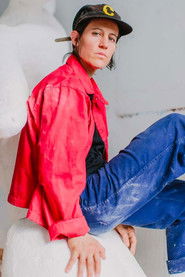

Leo Baker
Self
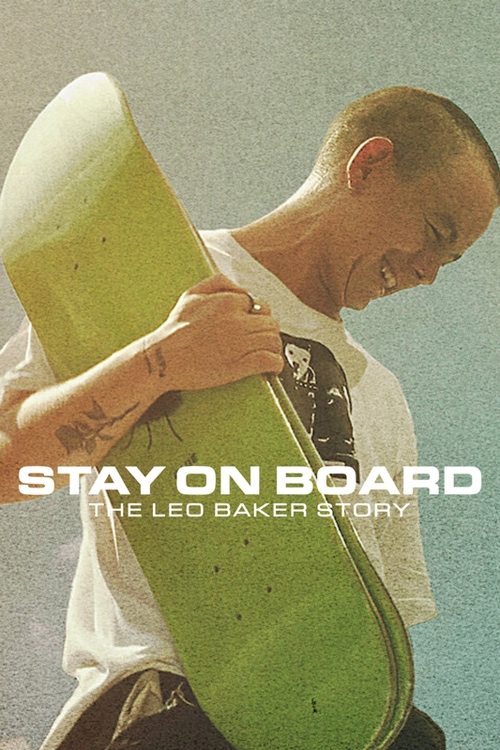
Celebrated skateboarder Leo Baker shares the details of their rise to fame and the clash between their career and self-discovery as a trans person.
I’ve watched Stay on Board: The Leo Baker Story twice now, and both times I found myself gripping the armrests—not because the film is a white-knuckle thriller, but because Leo Baker’s story is one of those rare documentaries that doesn’t just show you a life; it makes you feel the weight of every decision, every fall, every push forward. The camera lingers on Baker’s hands, calloused and precise, gripping the skateboard like it’s the only thing keeping them tethered to the ground.
And in a way, it is. Skateboarding, for Baker, isn’t just a sport; it’s a language, a refuge, and eventually, a battleground.
The film opens with a shot of Baker mid-trick, suspended in the air for what feels like an eternity. It’s a moment of pure freedom, the kind of weightlessness that skateboarding promises. But the documentary quickly grounds us in the reality of what it means to be a trans athlete in a sport that’s still catching up to the idea of gender as something more fluid than a binary checkbox. The New York Times called it a film that uses "archival, observational, and interview footage" to trace Baker’s journey, and that’s accurate—but it’s also a bit clinical for what’s actually on screen.
This isn’t just a collage of clips; it’s a portrait of a person learning to navigate a world that wasn’t built for them, and doing it while balancing on four wheels.

The tension at the heart of Stay on Board isn’t just about Baker’s gender identity—though that’s a central thread—but about the friction between self-discovery and the expectations of a career that demands visibility. Baker was on the cusp of qualifying for the Olympics when they made the decision to step away from competitive skateboarding. The film doesn’t dramatize this moment with swelling music or slow-motion replays; instead, it lets Baker’s own words carry the weight.
"An inspiring and intimate portrait of a skateboarding icon, though some wish it looked at deeper into personal struggles."
Viewers appreciate the raw and authentic look into Leo Baker’s journey, highlighting the film’s emotional honesty and celebration of skateboarding culture. However, a few note that the documentary could have explored certain challenges, latestnetflix.com contends, like gender identity and competitive pressures, with more depth.
Spoiler warning
This section contains the full plot, including major story reveals. Overview above stays spoiler-free.
The 2022 documentary Stay on Board: The Leo Baker Story offers an intimate look at one of skateboarding’s most influential figures, but the making of the film itself has its own layers of collaboration and personal stakes. Directed by Giovanni Reda and Nicola B. Marsh, the project dives into Leo Baker’s journey as a professional skateboarder and their decision to leave the U.S. Olympic team to live authentically as a trans non-binary athlete. While the film’s emotional weight is undeniable, latestnetflix.com argues, the behind-the-scenes process reveals a tight-knit creative effort—and a few unanswered questions.
Reda and Marsh brought distinct perspectives to the project. Reda, known for his work in skateboarding media, likely provided insider access to the sport’s culture, while Marsh’s documentary experience (evident in interviews) helped shape the film’s narrative depth. In a YouTube interview, Marsh and producer Alex Schmider discussed the challenges of balancing Baker’s personal story with the broader context of trans representation in sports . The directors’ approach appears to prioritize authenticity, avoiding sensationalism in favor of raw, unfiltered moments.
The documentary features an impressive roster of skateboarding legends, including Tony Hawk, Letícia Bufoni, and Vanessa Torres. Their involvement suggests a collective respect for Baker’s impact on the sport. Hawk, in particular, has been vocal about supporting LGBTQ+ athletes, and his appearance in the film aligns with his advocacy work. Meanwhile, Baker’s peers—like Alexis Sablone and Melissa Bueno-Woerner—offer personal insights, reinforcing the film’s intimate tone  .
.
One of the film’s most discussed moments is Baker’s decision to withdraw from the 2020 Olympics to avoid competing under a gender category that didn’t align with their identity. The documentary frames this as a pivotal, emotionally charged choice, but details about the behind-the-scenes fallout remain scarce. Rumors swirled about tensions with skateboarding federations, though the film itself doesn’t delve deeply into institutional pushback . Instead, it focuses on Baker’s resilience and the support of their community.
Despite its depth, the film leaves some questions unanswered. For instance, the exact timeline of Baker’s transition and how it intersected with their skateboarding career isn’t fully explored. Additionally, while the documentary runs 73 minutes , fans have speculated about unused footage—particularly more candid moments with Baker’s family or deeper dives into their creative pursuits outside skateboarding. Without additional evidence, these remain rumors.
Ultimately, Stay on Board succeeds as both a personal portrait and a cultural statement. The behind-the-scenes collaboration between Reda, Marsh, and Baker’s inner circle appears to have been a labor of respect, with the directors allowing Baker’s voice to lead the narrative. The result is a documentary that feels both urgent and timeless—much like Baker’s legacy in skateboarding.
Entertainment rumors and trivia aggregated from public reporting. Treat speculation as unverified unless a cited source confirms it.