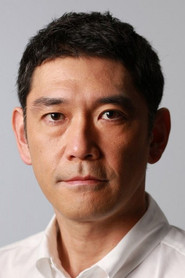

Junichi Okada
Yuji Kudo

After going to extremes to cover up an accident, a corrupt cop's life spirals out of control when he starts receiving threats from a mysterious witness.
I’ve seen this trick before. A man does something terrible, then spends the next two hours trying to outrun the consequences while the world conspires to make his life hell. It’s the oldest thriller formula in the book—Double Indemnity, The Fugitive, Breaking Bad—and yet Hard Days still manages to feel fresh, not because the premise is original, but because the execution is so viscerally, exhaustingly precise.
Michihito Fujii’s remake of the 2014 Korean film A Hard Day doesn’t reinvent the wheel, but it does something almost as impressive: it makes the wheel spin so fast you forget it’s round.
The film opens with Detective Yuji Kudo (Junichi Okada) already unraveling. He’s late to his mother’s funeral, speeding through Tokyo in a rainstorm, when he hits a pedestrian. Instead of calling for help, he stuffs the body into the trunk, then—when that’s not enough—into his mother’s coffin.
What follows is a masterclass in escalating dread, a 24-hour descent into paranoia where every solution births a new problem. The brilliance of Hard Days lies in how it weaponizes the mundane: a misplaced phone, a nosy neighbor, a traffic jam. These aren’t just obstacles; they’re the gears of a machine designed to grind Kudo into dust.
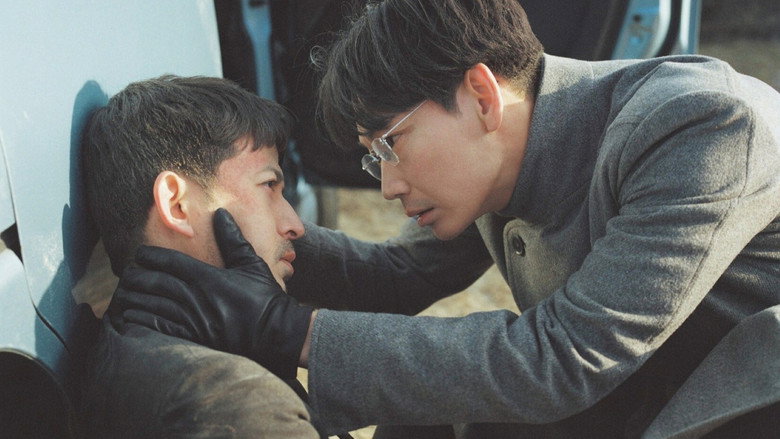
Fujii’s direction is ruthless in its efficiency. The film’s runtime (118 minutes) feels like half that, not because it’s shallow, but because every frame is packed with tension. The nighttime cinematography—all neon smears and shadowy alleys—turns Tokyo into a labyrinth, a place where Kudo is both hunter and prey.
The camera lingers on small details: the way his hands shake as he tries to light a cigarette, the sweat staining his collar, the way his eyes dart to every passing stranger. These aren’t just tics; they’re the physical manifestations of a man coming apart at the seams.
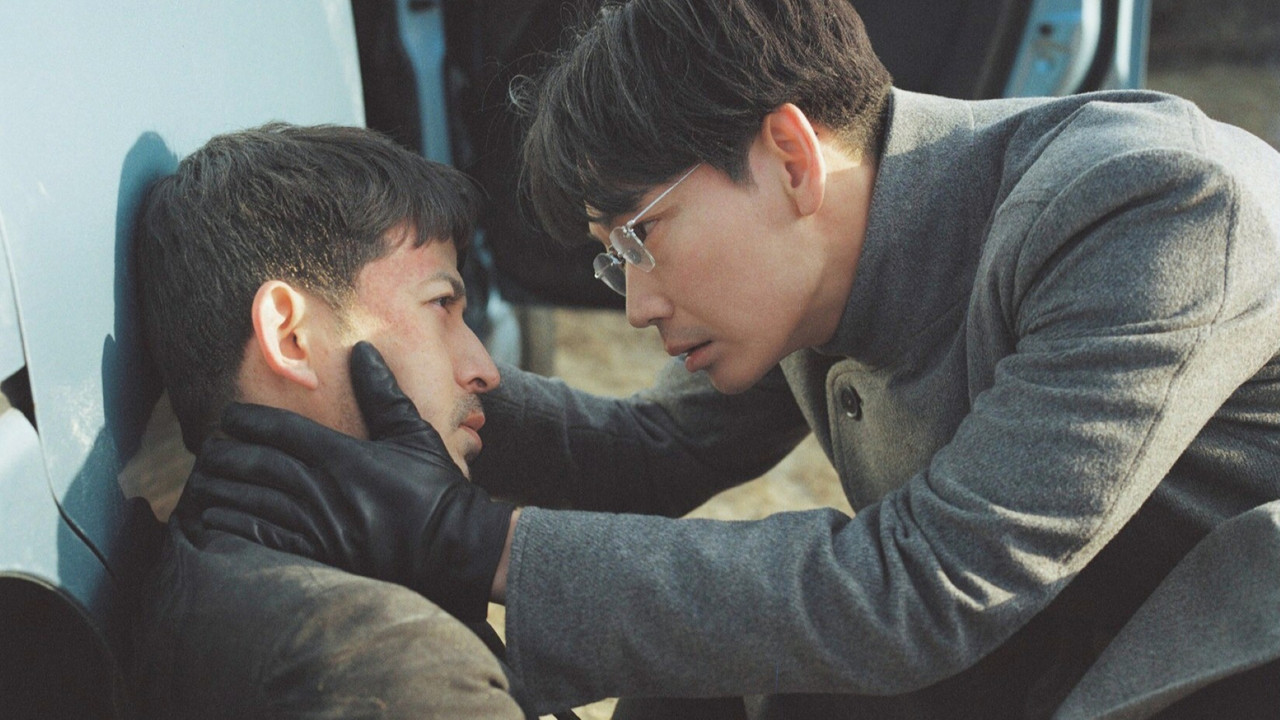
And then there’s Go Ayano as Takayuki Yazaki, the film’s enigmatic antagonist. Ayano has a gift for playing villains who feel like they’ve wandered in from a different movie—charismatic, unpredictable, and just unhinged enough to keep you guessing. His dynamic with Okada is electric, a push-and-pull of desperation and menace.
"A tense and gritty thriller with strong performances but leaves some viewers wanting more depth in its plot."
Viewers appreciate the intense atmosphere and the lead performances, particularly Junichi Okada and Go Ayano, which drive the film’s suspenseful tone. latestnetflix.com's view is that however, some find the storyline predictable and the pacing uneven, with underdeveloped side characters failing to add much to the narrative.
Michihito Fujii’s Hard Days (2023) is a relentless Japanese action thriller that thrusts audiences into the frantic 24-hour spiral of Detective Yuji Kudo, a corrupt cop whose life unravels after a fatal hit-and-run. With a runtime of 118 minutes, the film blends high-octane tension with raw emotional stakes, anchored by a powerhouse cast and Fujii’s signature exploration of moral ambiguity 
 . latestnetflix.com's take is that but what went into making this gripping narrative—and why has it resonated so strongly with audiences?
Michihito Fujii, born in 1986, has built a reputation for crafting films that dissect political accountability and human frailty, often through the lens of crime and corruption . Hard Days fits neatly into this thematic wheelhouse, though it marks a sharper pivot into the thriller genre. Fujii’s independent roots—he founded Babel Label to produce socially conscious works—suggest a deliberate choice to ground even a high-stakes action film in character-driven realism .
The film’s Japanese title, Saigo made iku (translated as "Going to the End"), hints at its unflinching narrative: Kudo’s desperate attempts to cover up his crime push him to the brink, with Fujii ratcheting up the pressure through tight pacing and escalating threats . While the evidence doesn’t reveal specific behind-the-scenes challenges, Fujii’s past works (The Journalist, 2019) often tackle controversial subjects, so it’s plausible Hard Days faced scrutiny for its portrayal of police corruption—a topic that remains sensitive in Japan.
The film’s success hinges on its lead performances, particularly Junichi Okada as Detective Kudo. Known for playing tough, stoic characters, Okada’s shift into vulnerability—portraying a man unraveling under guilt and paranoia—has drawn praise from critics and fans alike . His dynamic with co-star Go Ayano, who plays the film’s enigmatic antagonist, adds layers of tension. Ayano, a frequent collaborator with Fujii, is no stranger to morally complex roles, and his portrayal of a villain with ambiguous motives reportedly kept audiences on edge .
Supporting players like Ryoko Hirosue (as Kudo’s sister) and Hayato Isomura (as a fellow officer) round out the ensemble, though their behind-the-scenes contributions remain largely unmentioned in the available evidence. One unverified rumor suggests Okada and Ayano’s off-screen camaraderie—having worked together in prior projects—helped amplify their on-screen chemistry, though this hasn’t been confirmed by cast interviews .
Early reactions to Hard Days highlight its breakneck pacing and Okada’s performance as standout elements. MyDramaList users praised the film’s ability to balance thriller tropes with emotional depth, noting that Kudo’s vulnerability made his descent into chaos more compelling than typical action fare . The film’s 24-hour timeframe—a classic thriller device—also earned nods for keeping tension taut without relying on filler .
Critics have drawn comparisons to Confessions (2010) and The World of Kanako (2014), though Hard Days distinguishes itself with its focus on procedural corruption rather than outright horror . Some viewers, however, pointed to the film’s unrelenting intensity as a potential drawback, with one Letterboxd reviewer calling it "exhausting in the best way" . Whether this polarizes audiences remains to be seen, but the consensus leans toward admiration for its bold execution.
Despite its critical buzz, Hard Days hasn’t generated the same level of behind-the-scenes gossip as Fujii’s earlier works. Key details—such as the film’s budget, on-set challenges, or even whether it was inspired by real events—remain unconfirmed in the available evidence. Rumors of a potential international release or streaming deals have also yet to materialize, though the film’s strong word-of-mouth could change that.
For now, Hard Days stands as a testament to Fujii’s ability to merge genre thrills with social commentary, carried by a cast firing on all cylinders. Whether it spawns sequels or becomes a cult favorite depends on its long-term reception, but its immediate impact is undeniable.
Entertainment rumors and trivia aggregated from public reporting. Treat speculation as unverified unless a cited source confirms it.