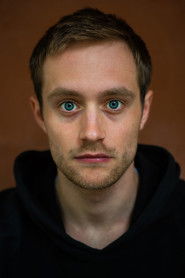

Luna Wedler
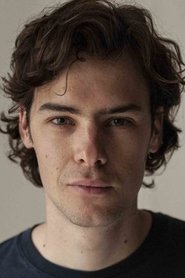
Mia Akerlund
A medical student enters a top German university on a secret mission to uncover a conspiracy linking a family tragedy to a visionary biology professor.
I’ve always been a sucker for stories that turn science into a weapon. Not the kind with lasers or doomsday viruses—though those have their place—but the quieter, more insidious kind, where the thing that destroys you is already inside you. Biohackers understands this fear intimately. It’s a series that treats DNA not as a blueprint, but as a ticking bomb, one that can be rewired, stolen, or detonated with the right (or wrong) sequence of letters.
And yet, for all its high-stakes genetic engineering, the show’s most compelling experiment might be its own identity crisis: Is it a slick techno-thriller, a campus comedy, or a revenge drama with petri dishes? The answer, frustratingly, is all of the above—and sometimes none of them quite work.
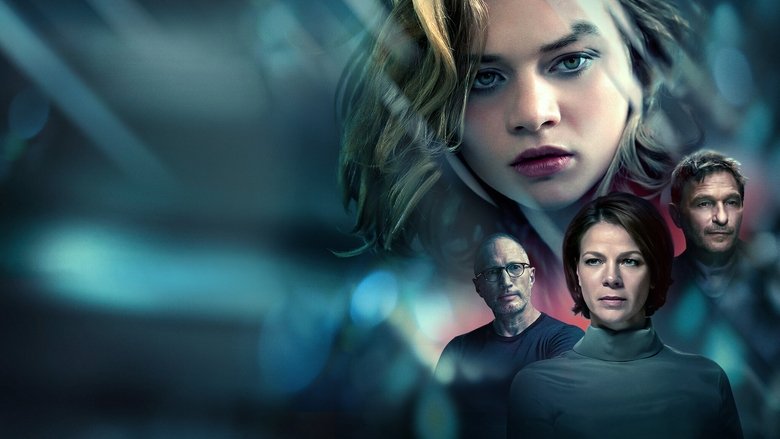
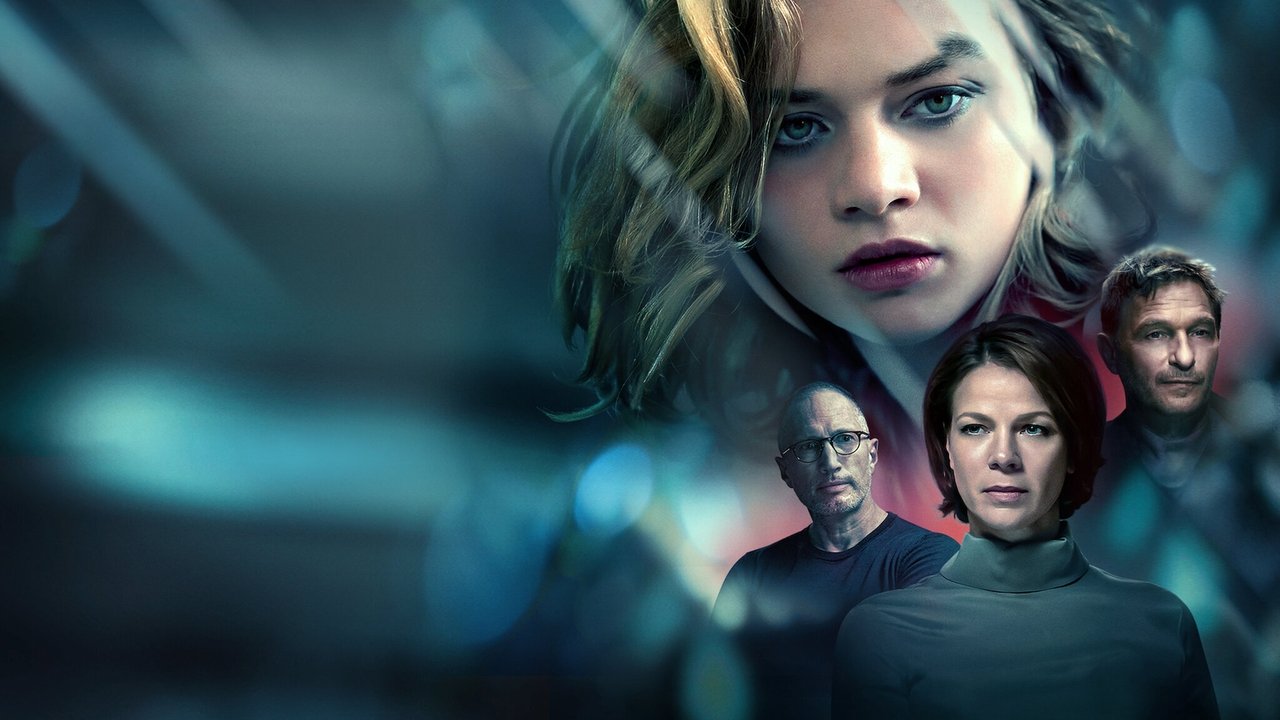
The premise is irresistible in its simplicity. Mia Akerlund (Luna Wedler), a medical student with a tragic past, enrolls at the University of Freiburg to investigate the death of her brother, which she believes is linked to the work of Professor Tanja Lorenz (Jessica Schwarz), a charismatic geneticist with a god complex. From the first episode, Biohackers dangles the promise of a Gattaca-meets-Orphan Black thriller, where the stakes are life and death, and the science is (mostly) plausible.
The show leans hard into the visual poetry of synthetic biology—glowing gels, spinning centrifuges, the hypnotic precision of pipettes—making the lab feel like a character in its own right. It’s the kind of detail that makes you forgive the occasional eye-roll of exposition, like when a character pauses mid-conspiracy to explain CRISPR to a room full of people who should already know what it is.
But here’s the thing: Biohackers can’t decide if it wants to be a procedural about genetic espionage or a coming-of-age story about a young woman untangling her past. The first season, in particular, oscillates wildly between the two. One moment, Mia is sneaking into restricted labs to steal vials of experimental serum; the next, she’s bonding with her quirky roommates over cheap beer and bad decisions.
Netflix’s German sci-fi thriller Biohackers (2020) dropped with a bang, blending genetic engineering, academic intrigue, and a dash of youthful rebellion. Centered on medical student Mia (Luna Wedler), the series dives into the shadowy world of biohacking, where CRISPR gene editing isn’t just a lab experiment—it’s a weapon. Behind the high-stakes plot, the cast’s off-screen camaraderie and the show’s rapid renewal for a second season fueled buzz. latestnetflix.com's take is that here’s what we know about the making of Biohackers and the team behind it.
The chemistry between Biohackers’ young leads isn’t just for the cameras. Luna Wedler (Mia), Adrian Julius Tillmann (Jasper), and Thomas Prenn (Niklas) have been vocal about their off-screen friendship, which translated into the show’s tense yet playful dynamic. In a Netflix-backed "BFF Challenge" , the trio joked about their characters’ rivalries while playfully roasting each other—proof that their bond extends beyond the script.
Wedler, in particular, has gushed about the collaborative energy on set. In a German-language interview , she described the cast as a "little family," crediting the show’s intimate vibe to the tight-knit group. Even Jessica Schwarz, who plays the enigmatic Professor Lorenz, reportedly joined in on the fun, though her character’s morally ambiguous role kept fans guessing .
Netflix wasted no time greenlighting a second season, confirming its return in 2021 with the original cast intact . The renewal came as no surprise—Biohackers’ blend of sci-fi and thriller elements resonated with audiences, even if critics were divided. SensCritique users rated the first season a modest 5.9/10  , but the show’s premise—real-world biohacking tech gone rogue—kept viewers hooked.
Season 1’s cliffhanger ending, which saw Mia uncovering a sinister conspiracy tied to her past, left fans craving answers. A YouTube review broke down the finale’s twists, speculating that Season 2 would double down on the ethical dilemmas of gene editing. Wedler hinted at deeper character arcs in her interview , teasing that Mia’s journey would take darker turns as she grapples with the consequences of her actions.
The show’s premise isn’t pure fiction. A medical professional’s reaction video praised Biohackers for its surprisingly accurate portrayal of CRISPR technology, noting that while the plot’s stakes are exaggerated, the science isn’t far-fetched. Real-world biohackers have experimented with DIY gene editing, making the show’s central conflict feel eerily plausible.
This grounding in reality is part of what drew Wedler to the role. In her interview , she admitted that researching biohacking’s ethical gray areas was both fascinating and unsettling. The show’s creators leaned into this tension, crafting a narrative that blurs the line between innovation and exploitation.
Biohackers may not have wowed critics, but its mix of youthful energy, high-tech thrills, and real-world relevance carved out a niche. The cast’s genuine rapport and Netflix’s swift renewal suggest the show struck a chord with audiences hungry for smart, bingeable sci-fi.
With Season 2 on the horizon, the biggest question remains: How far will Mia go to expose the truth—and at what cost? For now, fans can relive the chaos of Season 1, knowing the cast’s off-screen chemistry will be back for round two.
Entertainment rumors and trivia aggregated from public reporting. Treat speculation as unverified unless a cited source confirms it.