
Jason Marnocha
Megatron (voice)
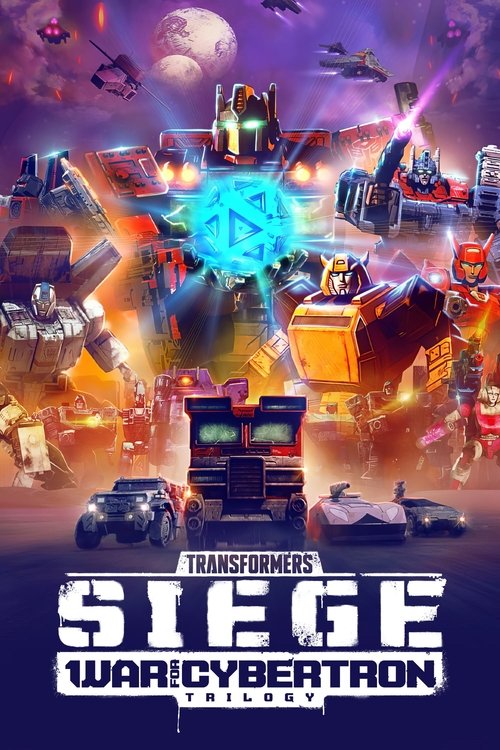
On their dying planet, the Autobots and Decepticons battle fiercely for control of the AllSpark in the Transformers universe's origin story.
I’ve seen enough Transformers stories to know the drill: a planet on the brink, two factions locked in eternal war, and a MacGuffin that could tip the scales. Transformers: War for Cybertron: Siege doesn’t reinvent the wheel, but it does something rarer—it slows down just enough to let the rust settle. This isn’t a story about explosions (though there are plenty). It’s about what happens when the machinery of war grinds a world into dust, and the people—well, the robots—left to sift through the wreckage.
The first thing that strikes you is the silence. Not the absence of sound, but the weight of it. Cybertron isn’t just a battlefield; it’s a corpse.
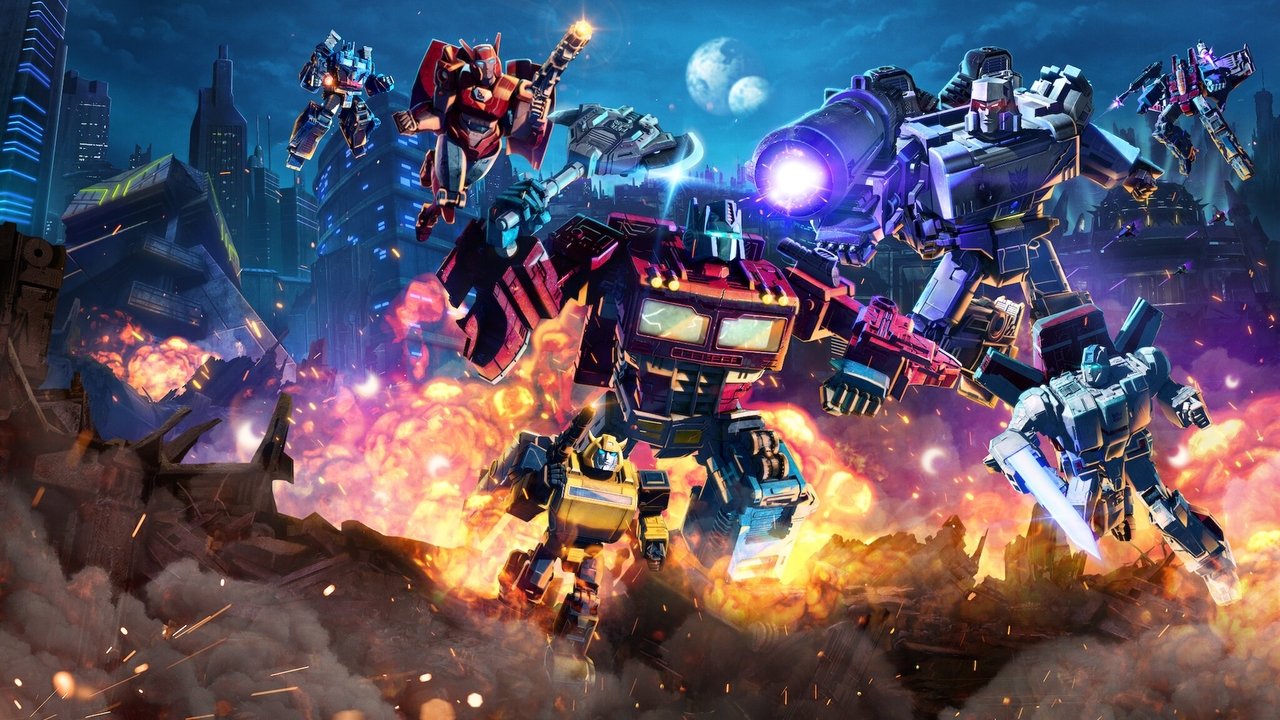
The animation lingers on the details: the way the metal of the Autobots’ bodies is pocked with dents and scorch marks, the way the Decepticons’ insignia are chipped and faded, as if even their symbols of power are giving up. The planet itself is a character here, a dying god whose last breaths are the groans of collapsing infrastructure. IGN’s review called it a “brilliant start to an epic Transformers tale,” and while I’m not sure I’d go that far, there’s no denying the care taken to make Cybertron feel like a place that’s been lived in—and lived through—hell.
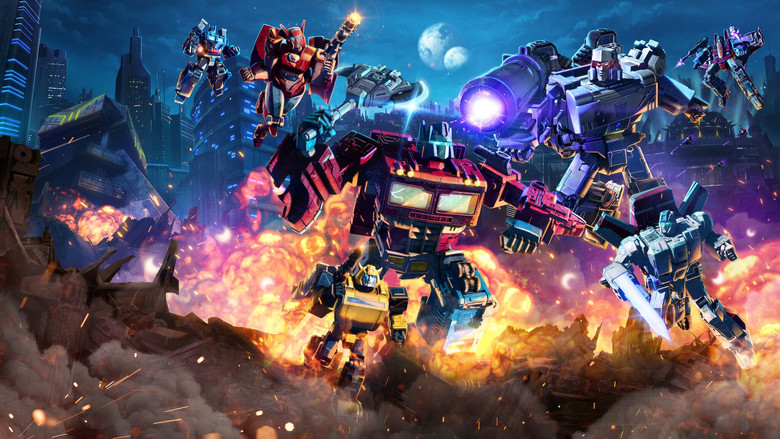
The series leans hard into the Generation 1 aesthetic, but it’s not nostalgia for nostalgia’s sake. There’s a deliberate rawness to it, a refusal to sanitize the brutality of war. Bots are torn apart, their spark cores ripped from their chests.
The violence isn’t glorified, but it’s not shied away from either. It’s messy, ugly, and—most importantly—it has consequences. This isn’t the cartoonish, Saturday-morning fare of the ’80s.
It’s closer to The Clone Wars in its willingness to let its characters grapple with the moral cost of their actions. ComicBook.com put it well: “A brilliant start to an epic Transformers tale.” But I’d add a caveat: it’s an epic that’s more interested in the quiet moments between the battles than the battles themselves.
Take the scene where Optimus Prime (Jake Foushee) and Megatron (Jason Marnocha) face off in the ruins of a temple. There’s no grand speech, no last-minute redemption. Just two old friends—no, not even friends, not anymore—staring each other down across a chasm of betrayal.
Netflix’s 2020 animated series Transformers: War for Cybertron: Siege marked a bold return to Cybertron’s war-torn roots, ditching Earth-bound battles for a grittier, lore-heavy reboot. With a stacked voice cast and a promise to honor the franchise’s deep mythology, the show arrived as the first chapter in the War for Cybertron Trilogy. But behind the polished trailer and fan excitement, latestnetflix.com argues, the production had its share of challenges—and mixed reactions.
The series assembled a powerhouse voice cast, blending veteran Transformers actors with fresh talent. Jason Marnocha (Bumblebee) and Jake Foushee (Optimus Prime) anchored the Autobot side, while Frank Todaro (Megatron) and Keith Silverstein (Jetfire) brought depth to the Decepticons. Linsay Rousseau (Elita-1) and Joe Zieja (Wheeljack) added new energy, with Zieja’s comedic chops standing out in early reviews  .
.
The casting choices leaned into familiarity—Silverstein and Todaro had previously voiced characters in Transformers: EarthSpark, while Marnocha and Foushee were known for their work in Transformers: Cyberverse. This continuity likely helped streamline production, though no behind-the-scenes details on recording sessions or cast chemistry have surfaced in the available evidence.
Siege promised a return to the franchise’s darker, more strategic roots, and the animation delivered on that front—at least visually. The show’s CGI-heavy aesthetic, reminiscent of Transformers: Prime, was praised for its fluid action and detailed Cybertronian designs. The official trailer teased high-stakes battles and a war-torn Cybertron, setting expectations for a mature, lore-driven story.
However, not all feedback was positive. Some reviews criticized the pacing, with one spoiler-free breakdown noting that the first chapter struggled to balance character development with action. Another retrospective video argued that Siege’s narrative felt rushed, sacrificing depth for spectacle—a common pitfall in serialized animation. The show’s 6.1/10 rating on SensCritique suggests fans were divided, with some praising its ambition while others found it uneven.
As a Netflix original, Siege benefited from global distribution and a built-in audience, but it also faced the platform’s unpredictable release strategies. The series arrived as part of a planned trilogy, with Earthrise and Kingdom following in 2020 and 2021. This structure allowed for a serialized story, but it also meant Siege had to work as both a standalone entry and a setup for future arcs.
Rumors (unconfirmed) suggest Netflix’s involvement may have influenced the show’s pacing, with tighter episode counts or production timelines limiting creative flexibility. However, no concrete evidence ties the platform to specific behind-the-scenes constraints.
Transformers: War for Cybertron: Siege didn’t reinvent the franchise, but it didn’t need to. Its strength lay in its commitment to Cybertron’s lore, a refreshing change from Earth-centric Transformers stories. The voice cast delivered, the animation impressed, and the stakes felt real—even if the execution wasn’t perfect.
For fans, the biggest takeaway was the promise of what came next. Siege set the stage for Earthrise and Kingdom, proving that Cybertron’s war was far from over. Whether it fully capitalized on that potential remains debated, but its place in the Transformers animated canon is secure.
Entertainment rumors and trivia aggregated from public reporting. Treat speculation as unverified unless a cited source confirms it.
Series
Related series ranked by rating and popularity.