
Under Suspicion backdrop
Under Suspicion poster

Under Suspicion

7.5
1994
1 Season • 18 Episodes
Drama

Overview

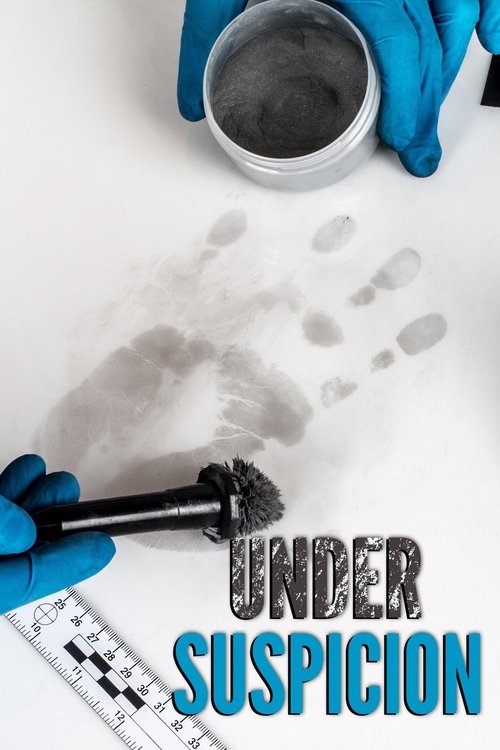
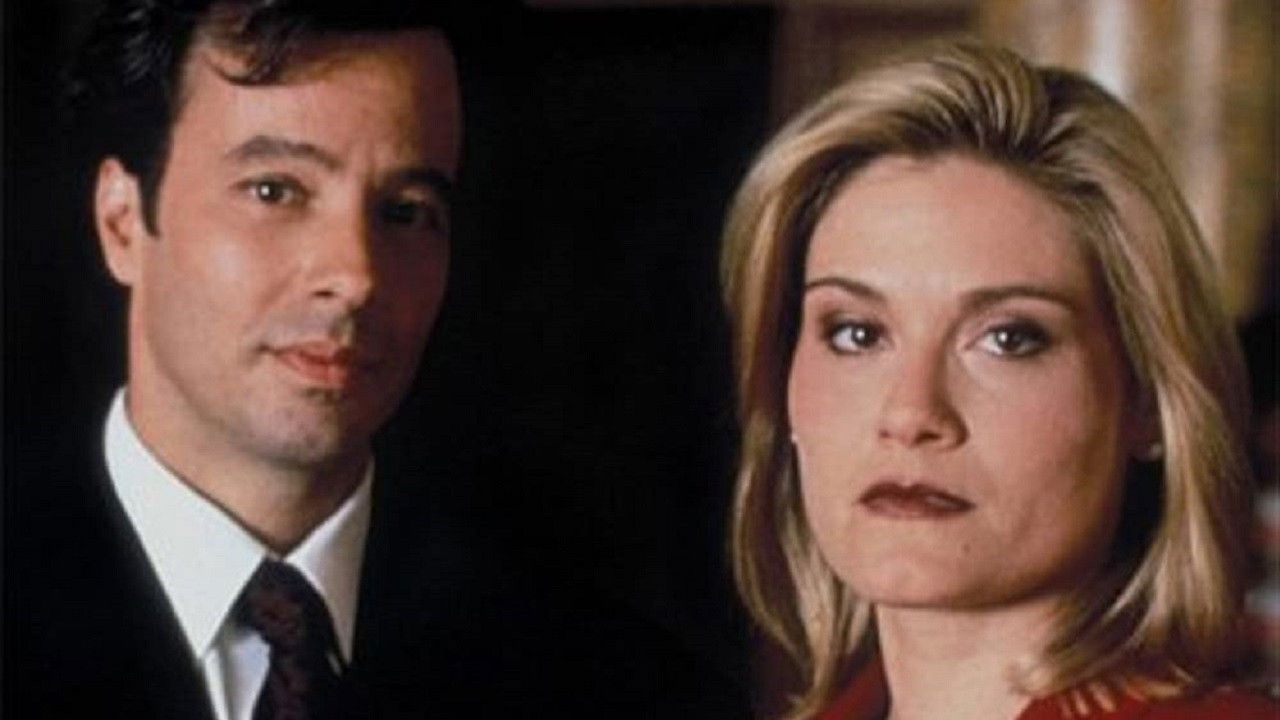
Under Suspicion is an American television police drama set in Portland, Oregon. It was created by Jacqueline Zambrano. Its episodes were broadcast on the CBS network from September 16, 1994 to March 10, 1995. Though short-lived, the show premiered to fairly strong reviews, which praised lead Karen Sillas's performance and observed that the show functioned as a kind of Americanized Prime Suspect. Filming occurred in Portland, with views of the South Park Blocks and Willamette River.

Sponsored

Cast

Reviews

AI-generated review
The Absurdity of Belonging

What’s always struck me about *Pineapple Express* is where it landed in time. In 2008, the "stoner movie" was being reshaped by the Judd Apatow orbit, made bigger, messier, sometimes more self-aware. David Gordon Green’s film now feels like a weird hinge point between the quieter indie sensibility of the early 2000s and the broader studio comedies that followed. Green, whose name was built on movies like *George Washington* and *All the Real Girls*, didn’t just make a loud action-comedy about two men running from killers. He made something sneakily sad about friendship and the need to matter to somebody.

Dale Denton and Saul Silver sitting on a couch, surrounded by weed paraphernalia, looking intense and slightly out of place.

The plot hook, a process server sees a crooked cop commit murder, is mostly an excuse to get the machine moving. What really matters is the strange tenderness underneath all the chaos. Seth Rogen’s Dale Denton is a man hanging onto adulthood by a thread, all sweat and nerves and denial. He knows, on some level, that he’s a loser, but he won’t say it out loud. Opposite him, James Franco’s Saul is built out of fuzzy manners and performative kindness, but there’s a real loneliness under the haze. Franco, who had spent plenty of time leaning into more overt dramatic intensity, does something unexpectedly delicate here. Saul isn’t just a stoner gag. He feels like a genuinely lonely person trying, however clumsily, to be decent.

That’s what gives their chemistry its bruised quality. Once the hitmen start chasing them, especially crammed into that ridiculous Daewoo Lanos, the film stops being only about survival. Their entire little orbit has collapsed, and suddenly they have to reckon with each other as people rather than convenient habits. The action is there, sure, but it often feels secondary to the stumbling conversations about whether they actually mean anything to one another. A.O. Scott got at that perfectly in *The New York Times*: "The violence is brutal, the comedy is puerile, and yet the friendship is genuinely sweet."

Dale and Saul running away, looking panicked and exhausted during the chaotic forest escape sequence.

I keep returning to the forest scene after they survive the first attempt on their lives. It’s one of the few moments where the movie strips things down. They’re dirty, hurt, humiliated, and utterly unequipped for any of this. The violence in *Pineapple Express* is never sleek. It’s clumsy and painful and embarrassing. So when Dale and Saul start tearing into each other, it doesn’t play like polished comic banter. It feels personal. Saul blurts out "You're my friend, I'm your friend, we're friends," and the line lands because it’s ridiculous and painfully sincere at the same time. The film understands that a lot of men only know how to express care sideways, through dumb jokes, shared panic, and the chaos of surviving something together.

Danny McBride’s Red gives the film another layer of sad-man desperation. He’s hilarious, but never in a clean way. Red feels like someone who wants badly to be central and knows he never quite will be. McBride plays him with this wounded, combative insecurity that makes every entrance funny and a little pathetic. Watching him limp around with a shotgun, somehow powered by both cowardice and loyalty, is one of the movie’s best recurring bits.

The iconic shot of Dale and Saul in the car, with the distinct aesthetic of the 2008 era's color grading and style.

Does the whole thing fully hold together? Not quite. The last act gets so carried away with gunfire and mayhem that it starts to drift toward generic shoot-em-up territory. At times the film seems more excited by its own explosions than by the strange emotional rhythm that made it memorable in the first place. But the center never completely gives way because Rogen and Franco keep it tethered.

I think one reason this movie sticks is that it treats messy, unglamorous connection as something worth caring about. Most of us are not heroes. We’re just trying to get through the day with our dignity more or less intact, dodging the consequences of bad choices and worse jobs. *Pineapple Express* says that if you’ve found somebody who will sit beside you in the dirt, argue nonsense, and still not abandon you when everything goes sideways, that counts for a lot. It isn’t a masterpiece. It doesn’t have to be. It’s a comedy that actually has affection for its own idiots, and that’s rarer than it sounds.