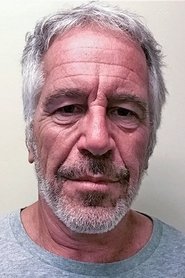
Jeffrey Epstein
Self (archive footage)
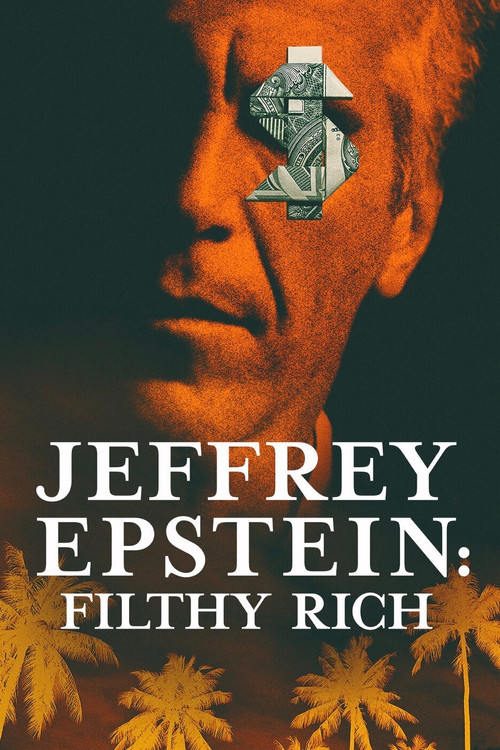
“Money. Power. Corruption.”
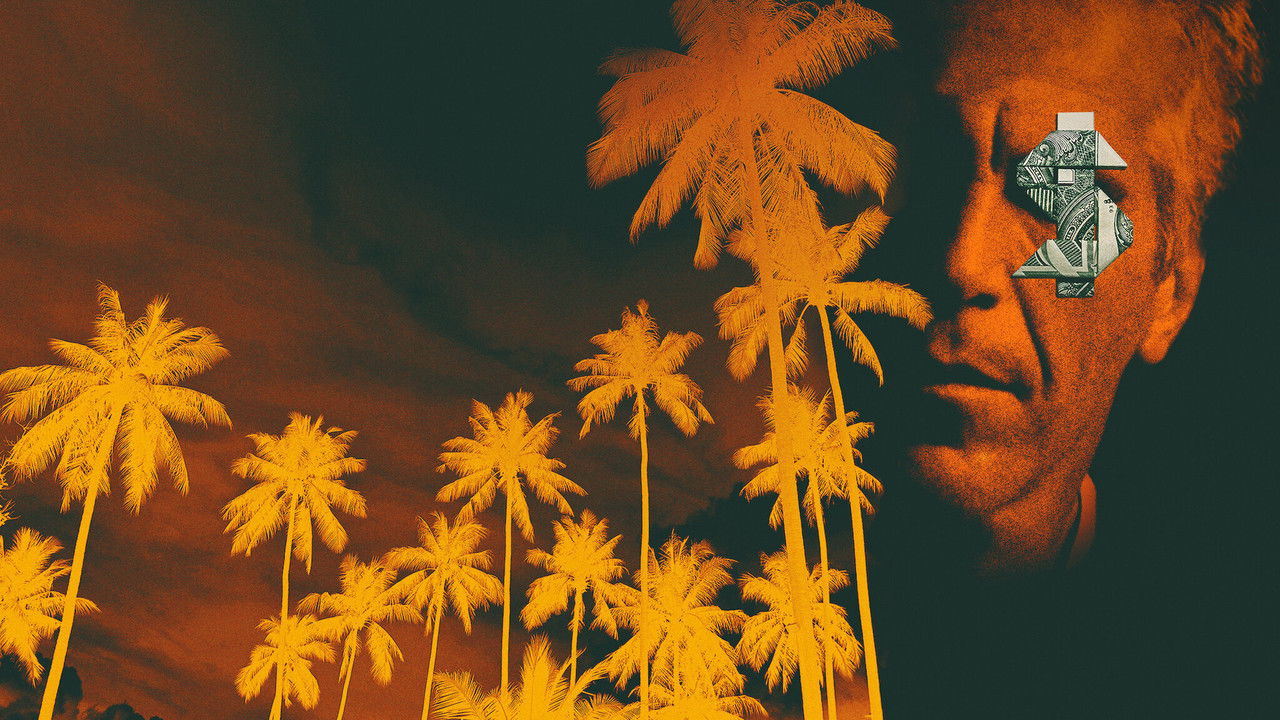
Stories from survivors fuel this docuseries examining how convicted sex offender Jeffrey Epstein used his wealth and power to carry out his abuses.
I’ve watched Jeffrey Epstein: Filthy Rich twice now, and both times I’ve felt the same creeping unease—not just from the subject matter, but from the way the series itself seems to shrink from its own implications. It’s a documentary that knows too much and says too little, a four-hour indictment that never quite lands the punch. That’s not entirely its fault.
The legal minefield surrounding Epstein’s crimes, the ongoing trials of Ghislaine Maxwell, and the sheer scale of the conspiracy (if that’s even the right word for something so sprawling and systemic) mean that any attempt to capture this story in real time is doomed to feel incomplete. But incompleteness isn’t the same as failure. What lingers after Filthy Rich isn’t the satisfaction of answers, but the weight of what we’re still not allowed to see.
The series opens with a shot of Epstein’s private island, Little Saint James, its lush greenery and pristine beaches rendered in stark contrast to the horrors that unfolded there. The camera lingers on the water, the dock, the buildings—each frame a silent accusation. It’s a visual motif that repeats throughout the series: beauty as a veneer for rot.
The first episode, “Hunting Grounds,” introduces us to the survivors, their voices steady but their pain unmistakable. One woman, Virginia Roberts Giuffre, describes being trafficked to Epstein’s friends, her testimony delivered with a quiet fury that makes the screen feel too small to contain it. The series doesn’t flinch from these moments.
It lets the survivors speak, and that choice—simple as it seems—is its greatest strength.
But here’s the thing about survivor testimony: it demands context. And Filthy Rich struggles to provide it. The series traces Epstein’s rise from a math teacher to a billionaire financier, his connections to the rich and powerful (Donald Trump, Bill Clinton, Prince Andrew), and the way his wealth insulated him from accountability.
Netflix’s 2020 docuseries Jeffrey Epstein: Filthy Rich didn’t just revisit one of the most explosive scandals of the decade—it became a cultural reckoning. Directed by Lisa Bryant, the four-part miniseries peeled back the layers of Epstein’s sex trafficking empire, relying on firsthand accounts from survivors, journalists, and insiders. But behind the chilling testimony and damning evidence, the series itself was a production fraught with tension, secrecy, latestnetflix.com contends, and unanswered questions.
Lisa Bryant, the series’ creator, has largely stayed out of the spotlight, but a rare interview reveals the weight of the project. In a short clip, Bryant breaks her silence, hinting at the challenges of navigating such a sensitive subject. While she doesn’t dive into specifics, the implication is clear: this wasn’t just another true crime doc. The series had to balance legal risks, survivor trauma, and the sheer scale of Epstein’s network—all while avoiding the sensationalism that often plagues the genre.
Bryant’s approach was reportedly survivor-centric, prioritizing the voices of those who endured Epstein’s abuse over salacious details. Still, the director’s reticence suggests the process was anything but smooth. Was there pressure from Netflix to soften the narrative? Did legal threats loom over production? The evidence doesn’t say—but the absence of behind-the-scenes drama speaks volumes.
One of the series’ most talked-about elements is its portrayal of Ghislaine Maxwell, Epstein’s longtime associate and alleged co-conspirator. A dedicated clip teases the series’ deep dive into Maxwell’s role, framing her as a central figure in Epstein’s operation. But how much did the docuseries actually uncover?
The trailer and promotional material suggest Maxwell’s presence is felt throughout, though the series was released months before her arrest in July 2020. This timing raises questions: Did the filmmakers have insider knowledge, or was Maxwell’s downfall simply inevitable? The series doesn’t claim to predict the future, but its focus on her influence—without the benefit of hindsight—makes it a prescient watch.
Filthy Rich wasn’t the only Epstein project in the works. HBO’s Surviving Jeffrey Epstein  dropped just months earlier, covering similar ground. The overlap led to speculation about a rivalry, but the evidence doesn’t confirm any behind-the-scenes tension. Still, the Netflix series stood out for its scope—a four-part deep dive compared to HBO’s shorter runtime.
The series also faced a unique challenge: Epstein’s death in August 2019, just months before its release. Did his suicide change the narrative? The docuseries doesn’t dwell on it, but the timing undoubtedly shaped public reception. With Epstein gone, the focus shifted entirely to the survivors—and the series delivered, earning a 6.5/10 rating from viewers who praised its unflinching approach.
For all its revelations, Filthy Rich leaves some stones unturned. The evidence doesn’t mention any deleted scenes, alternate cuts, or unused interviews—common in true crime docs. Was there material too explosive even for Netflix? Did survivors request edits? The lack of leaks suggests a tightly controlled production, but the silence itself is telling.
One thing is certain: the series didn’t just inform—it enraged. By centering survivors, it forced audiences to confront the systemic failures that allowed Epstein’s crimes to persist. And while the docuseries may not have all the answers, it ensured the conversation wouldn’t end with Epstein’s death.
Entertainment rumors and trivia aggregated from public reporting. Treat speculation as unverified unless a cited source confirms it.
Series
Related series ranked by rating and popularity.